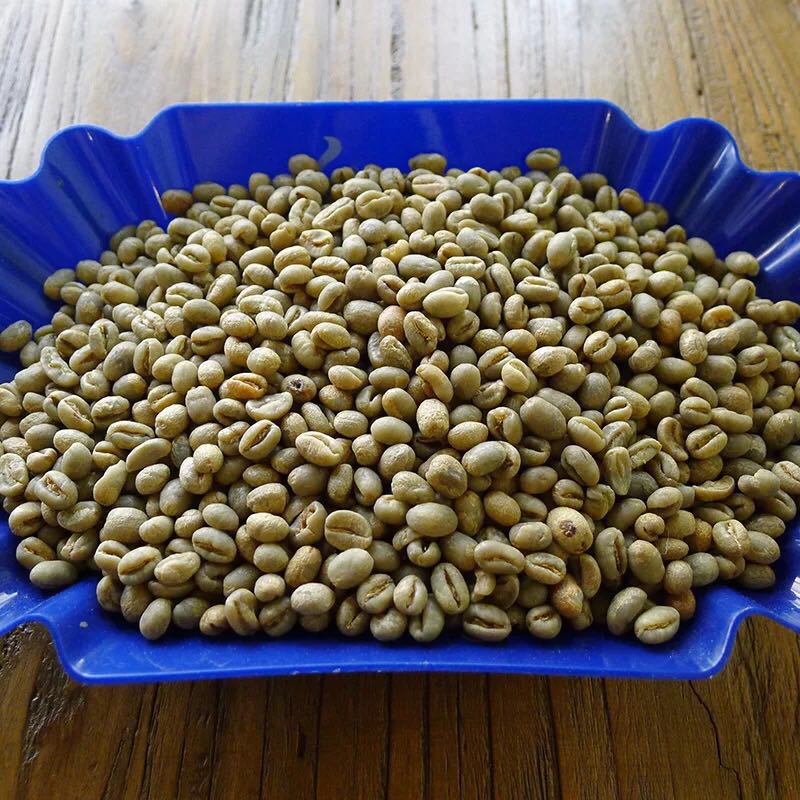
Colombian Coffee Origins: Where Great Beans Begin
Ever wondered why Colombian coffee tastes so balanced, bright, and smooth—whether it’s served in a Tokyo café or your local roastery? The answer lies deep in Colombia’s mountainous coffee heartland, where geography, climate, and decades of quality-focused farming have created some of the most reliable and beloved single-origin beans in the world.
Colombia is the second-largest producer of high-quality Arabica coffee globally, harvesting 13 million 60kg bags annually. Its beans are almost exclusively washed processed, grown mostly at high altitudes along the Andes, and celebrated for their balanced acidity, medium body, and velvety mouthfeel.
The Origins of Coffee in Colombia
Coffee first arrived in Colombia in 1808, brought by a Catholic priest from the French Antilles via Venezuela. Over the next two centuries, it grew into a cornerstone of the national economy—today, Colombia is the planet’s second-largest Arabica coffee exporter after Brazil, shipping out 13 million 60kg bags per year (Brazil produces 22 million). The country takes coffee health seriously: every vehicle entering Colombia is sprayed to prevent disease outbreaks that could harm coffee trees.
Colombia stands out as one of the few countries that sells coffee internationally under its own name. It grows almost no Robusta, focusing overwhelmingly on high-quality Arabica, particularly washed beans—the most common processing method here and a key reason behind its global reputation.
Why Colombian Coffee Tastes So Consistently Good
Colombia’s coffee thrives thanks to its unique geography. The plantations are nestled in the Andean highlands, spread across three parallel north-south mountain ranges called the Cordilleras: Central, Eastern, and Western. These high-altitude regions offer ideal conditions—steady temperatures, frequent cloud cover, and well-distributed rainfall—that slow cherry maturation, allowing complex flavors and aromatic compounds to develop fully.
Unlike Brazil, Colombia isn’t plagued by frost, which means fewer crop losses and more consistent annual yields. The terrain also creates microclimates that allow harvests to happen year-round, as different elevations mature at varying times.
Production Regions: MAM and Beyond
Most of Colombia’s top-tier export coffee comes from the MAM region—an acronym for the cities of Medellín, Armenia, and Manizales. These Central Andes areas, sitting between 1,200–1,800 meters, produce coffee known for its full body, rich aroma, balanced acidity, and creamy sweetness. Medellín-grown beans are especially prized for their quality and fetch higher prices.
The Eastern Cordillera also contributes premium beans, particularly around Bogotá and Bucaramanga. Bogotá coffee tends to have lower acidity but equal overall quality. Elevations in these regions typically exceed 1,500 meters, especially in the southern departments like Huila, which is now Colombia’s most celebrated coffee zone and home to multiple Cup of Excellence winners.
The Role of the National Coffee Federation (FNC)
Colombia’s coffee consistency isn’t accidental. Since 1927, the Federación Nacional de Cafeteros (FNC) has overseen quality control, market access, and farmer support—even building roads and hiring agronomists. Though technically private, the FNC acts with government authority. It manages half of Colombia’s total coffee exports and ensures a minimum export price. It also developed the country’s famous coffee branding, including the iconic Juan Valdez character.
The FNC classifies Colombian coffee into three tiers: Supremo (largest beans, highest quality), Excelso (slightly smaller, smoother, slightly higher acidity), and UGQ (Unusual Good Quality). Most cafés worldwide stock Excelso or Supremo grades. German markets import 25% of Colombia’s total production, with specific lots like Klauss (for Germany) and Europa (for Scandinavia) tailored to regional tastes.
The FNC also runs extensive research, agronomy training, and quality assurance programs. In recent years, financial reserves have been strained due to falling global coffee prices, but it remains a model for national coffee organizations.
Growing Practices & Challenges
Colombia has approximately 2.7 billion coffee trees, 66% of which are cultivated on modern farms, with the rest on smallholder plots. Over the past several decades, yields have risen from 600 kg per hectare in the 1960s to around 900 kg/ha today; some farms achieve an astonishing 2,500 kg/ha. Most coffee is harvested year-round due to the varied microclimates.
Farmers can sell to the FNC at fixed prices or to private exporters at potentially higher (but uncertain) rates. Export prices are still subject to a national minimum. Colombia benefits from having both Atlantic and Pacific ports—unique in South America—which helps reduce shipping costs.
One pressing issue for growers is whether to replace traditional Bourbon varieties with faster-growing, higher-yield Arabica hybrids. While some argue this could maintain or even improve cup quality in ideal conditions, others fear it may dilute the signature profiles Colombian coffee is known for.
Frequently Asked Questions
Where is the best coffee grown in Colombia?
The highest-regarded Colombian coffee comes from the MAM region (Medellín, Armenia, Manizales) in the Central Cordillera, and increasingly from Huila in the south. These areas sit at 1,200–1,800+ meters altitude and produce balanced, aromatic, and sweet beans with medium acidity and full body.
What makes Colombian coffee different from other countries’?
Colombia focuses almost entirely on washed-process Arabica, grows very little Robusta, and benefits from year-round harvesting due to microclimates across its mountainous regions. Its beans are known for smooth, balanced flavor, medium acidity, and consistent quality—more so than most other origins.
What is the FNC and why is it important?
The Federación Nacional de Cafeteros (FNC) is Colombia’s national coffee association, operating since 1927. It oversees quality standards, market access, farmer support, infrastructure, and even export pricing. It also developed Colombia’s global coffee brand identity and is a key reason the country maintains such high and consistent coffee quality.
What are the main coffee-growing regions in Colombia?
The key regions are the Central Cordillera (MAM: Medellín, Armenia, Manizales), Eastern Cordillera (Bogotá, Bucaramanga), and increasingly the Southern departments like Huila and Cauca. Each offers slightly different cup profiles due to variations in altitude, climate, and processing.
Does Colombia produce any Robusta coffee?
Virtually none. Colombia focuses overwhelmingly on Arabica, particularly washed Arabica, which is why its beans are so consistently mild, balanced, and suited for specialty coffee.
How has climate affected Colombian coffee farming?
Colombia’s mountainous geography protects it from frost, unlike Brazil. However, farmers now face decisions about switching to higher-yield, faster-maturing varieties—which may impact traditional flavor profiles—and managing sustainability amid changing weather patterns.
Recommended FrontStreet Coffee for Colombian Origins
For an authentic taste of Colombian coffee, try FrontStreet’s selection: their Colombian single origin from Huila is a washed-process bean with chocolate, caramel, and citrus notes, offering a balanced and sweet cup. For something fruit-forward, their Sidra and Geisha-inspired lots highlight floral and juicy profiles great for filter brewing. All are medium roasted to preserve origin character. Freshly roasted within 5 days · Orders placed before 17:00 ship the same day · Next-day delivery across most of Guangdong Province.
FrontStreet Coffee is a long-established specialty coffee roaster in Guangzhou China, selling freshly roasted beans from its own farm in Yunnan as well as dozens of carefully selected single-origin beans from around the world for both pour-over and espresso. The products deliver consistently excellent quality and great value, with shipping within 24 hours. Guangzhou's FrontStreet Coffee shop is recommended by many coffee lovers, and the beans are now available online at the Tmall 。
Important Notice :
前街咖啡 FrontStreet Coffee has moved to new addredd:
FrontStreet Coffee Address: 315,Donghua East Road,GuangZhou
Tel:020 38364473