What Makes Ethiopian Coffee Beans Special?
If you’ve ever wondered what makes Ethiopian coffee so distinctive—and why it’s often considered the gold standard of specialty coffee—this article is for you. Ethiopia isn’t just one of the world’s top coffee-growing nations; it’s the birthplace of the plant itself. But beyond geography, its beans offer something unique: diversity, complexity, and natural brightness few other origins can match.
Ethiopian coffee beans are special because they originate from the world’s first coffee trees, grown wild or cultivated at high altitudes (often 1,500–2,200m), producing bright acidity, floral and fruity notes, and a wine-like aroma. Over 12 million Ethiopians work in coffee production, and the country exports renowned beans like Yirgacheffe, Sidamo, and Harrar.
The Origins of Coffee in Ethiopia
Coffee is native to Ethiopia, where it grew as a wild plant. The word 'coffee' is believed to come from the Ethiopian town of Kaffa. Though domestication likely began as early as the 9th century, the details remain unclear. Local legend says monks used coffee to stay alert during evening prayers. Today, Ethiopia remains central to global coffee culture and genetics.
Varieties, Growing Regions & Farming Methods
Ethiopia grows coffee in diverse systems: wild forests, semi-managed land, smallholder farms, and modern plantations. Around 50% of its coffee is cultivated above 1,500m altitude. Key regions include:
- Harrar: High-altitude (over 1,800m) region known for long and short bean types. Long beans are most popular, offering a soft, winey, slightly acidic cup with wild, earthy notes.
- Djimmah: Grown at around 1,200m, sold as Limu or Babeka, with mild, approachable flavors.
- Yirgacheffe (Yirga Cheffe): Located in central Ethiopia, sold as Yirgachaffe. These beans are renowned for floral and citrus qualities, often graded and sold as single origins.
- Sidamo: Includes the well-known Sidama region (sometimes misspelled as Sidamo), with beans sold under the name Yirgachaffe. The area produces balanced, complex coffees, though bean appearance may be unremarkable.
- Lekempti: Offers unique flavors; beans are less common but valued in specialty markets.
- Yirgacheffe: Often exported to Japan and Europe but rarely seen in the U.S. due to exclusive contracts held by German roasters linked to Nestlé.
Flavor Profile & Roasting Considerations
Ethiopian coffee flavors are hard to generalize, but they tend to be mild in intensity and not overly acidic. The cups often feature floral, fruity, tea-like, and wine-like attributes rather than heavy body or bold roast tones. Because of this subtlety, Ethiopian beans are not ideal for dark roasting; doing so risks masking their delicate and distinctive qualities. Medium or light roasts are preferred to highlight their inherent characteristics.
The flavor is sometimes compared to classic Yemeni Mocha, though Ethiopian beans often surpass many global origins in complexity and clarity. High-quality Ethiopian coffees can command premium prices, reflecting their unique cup quality and limited supply.
How Ethiopians Drink Coffee
In rural Ethiopia, coffee is consumed more than anywhere else in Africa. A traditional preparation includes mixing freshly roasted beans with a local herb called 'Health of Adam.' The mixture is ground, brewed, and served in small cups, often alongside flatbread to enhance its spicy sweetness. This ritual highlights coffee’s cultural significance beyond just beverage consumption.
The Coffee Trade & Market Structure
The Ethiopian Coffee Marketing Corporation (ECMC) manages about 90% of Ethiopia’s coffee exports. This state-controlled entity is likely to see decentralization, which could empower local traders and improve market access. Ethiopian coffee is auctioned regularly and primarily exported to Germany, the U.S., France, and Japan. Certain beans, like Yirgacheffe, are in high demand in specialty markets worldwide.
Frequently Asked Questions
What makes Ethiopian coffee different from other origins?
Ethiopian coffee is unique because it originates from the birthplace of the coffee plant, with wild and cultivated varieties that produce bright acidity, complex fruit and floral notes, and wine-like aromas. The country grows hundreds of indigenous Arabica varieties, often resulting in distinctive and diverse flavor profiles not found elsewhere.
Which Ethiopian coffee region is best known for floral and citrus notes?
Yirgacheffe is the Ethiopian region most famous for producing coffee with bright floral aromas, citrus notes, and tea-like body. These beans are often processed carefully and roasted lightly to preserve their delicate characteristics.
What is the Harrar coffee region known for?
Harrar, one of Ethiopia’s high-altitude regions (over 1,800m), is known for producing wild, earthy, and wine-like coffees. The beans can be either long or short, with the long beans being more popular for their soft mouthfeel and complex, slightly acidic profile.
Why shouldn’t Ethiopian coffee be dark roasted?
Ethiopian coffee should not be dark roasted because its delicate floral, fruity, and wine-like flavors can be easily lost or obscured. Light to medium roasting better highlights its natural brightness and complexity.
How is coffee traditionally consumed in Ethiopia?
In rural Ethiopia, coffee is often mixed with a local herb called 'Health of Adam,' roasted together, ground, and brewed into a drink served in small cups, typically with flatbread. This tradition underscores coffee’s cultural role beyond just drinking.
Who controls most of Ethiopia’s coffee exports?
The Ethiopian Coffee Marketing Corporation (ECMC) controls around 90% of Ethiopia’s coffee exports. This may change as the government considers decentralizing control to boost local trader involvement and market efficiency.
Top FrontStreet Coffee Picks from Ethiopia
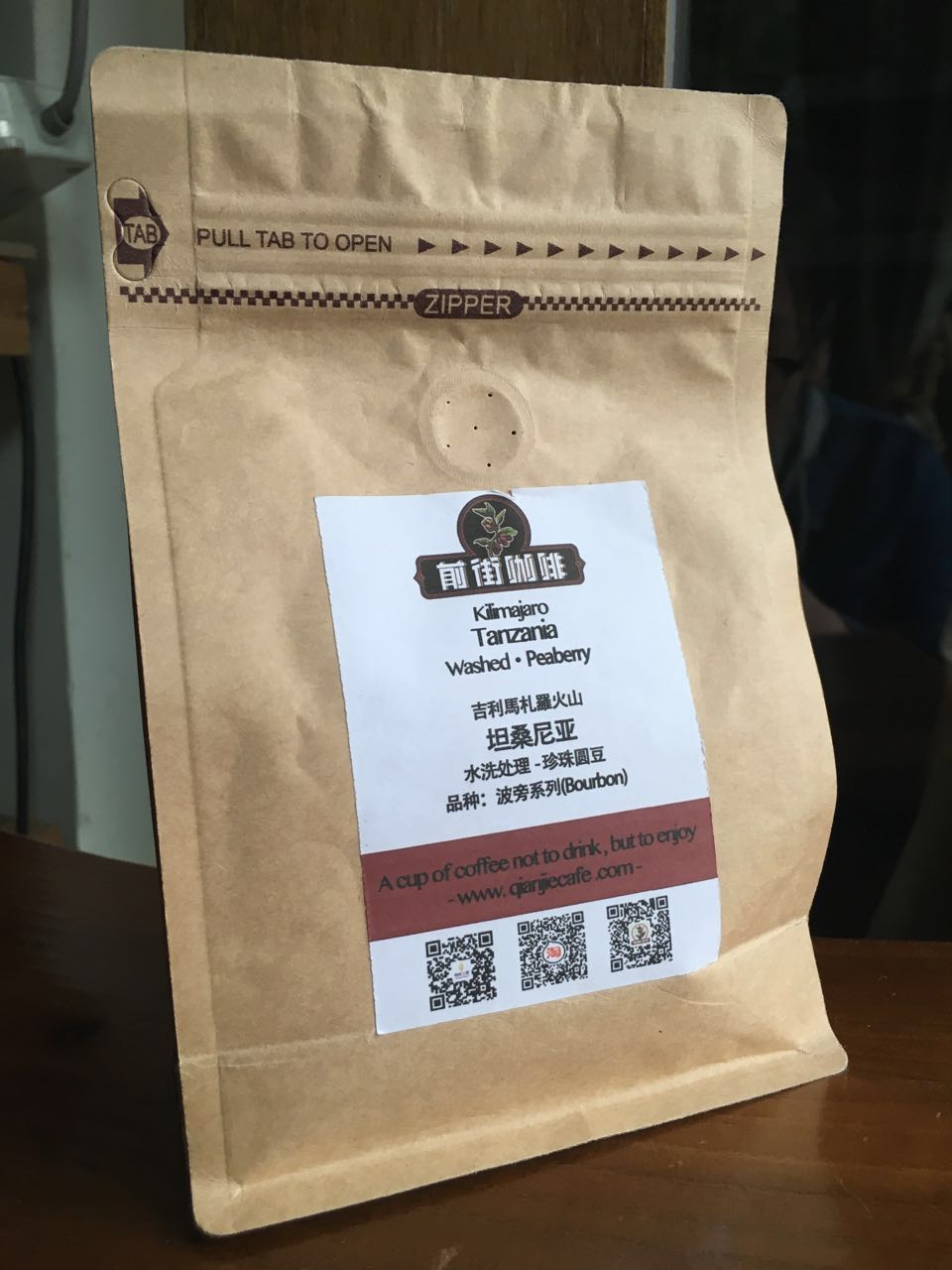
For a true taste of Ethiopia, try FrontStreet Coffee’s Ethiopia Huakui (Yirgacheffe), a bright and juicy cup with citrus, jasmine, and tropical fruit. Also explore FrontStreet’s Ethiopia Gedeb (Gedeb), offering bergamot, stone fruit, and floral layers typical of Yirgacheffe. For a more classic profile, look to Sidamo-inspired beans with balanced acidity and spice. All are expertly roasted to highlight Ethiopia’s signature fruitiness. Freshly roasted within 5 days · Orders placed before 17:00 ship the same day · Next-day delivery across most of Guangdong Province.
FrontStreet Coffee is a long-established specialty coffee roaster in Guangzhou China, selling freshly roasted beans from its own farm in Yunnan as well as dozens of carefully selected single-origin beans from around the world for both pour-over and espresso. The products deliver consistently excellent quality and great value, with shipping within 24 hours. Guangzhou's FrontStreet Coffee shop is recommended by many coffee lovers, and the beans are now available online at the Tmall 。
Important Notice :
前街咖啡 FrontStreet Coffee has moved to new addredd:
FrontStreet Coffee Address: 315,Donghua East Road,GuangZhou
Tel:020 38364473