What Is Kopi Luwak and Why Is It So Unique?
You’ve heard the rumors—coffee made from beans that have passed through an animal’s digestive system. But what’s really behind kopi luwak, and why does it command such fascination? This isn’t just another coffee gimmick. There’s a real (if unusual) process behind it, and the result is unlike any other cup you’ve had.
In short: kopi luwak is coffee made from beans eaten and excreted by the Asian palm civet. The beans ferment inside the civet’s digestive tract, then are collected, cleaned, and roasted. This fermentation is said to create a smoother, less bitter cup—but true kopi luwak is extremely rare due to limited production.
What Exactly Is Kopi Luwak?
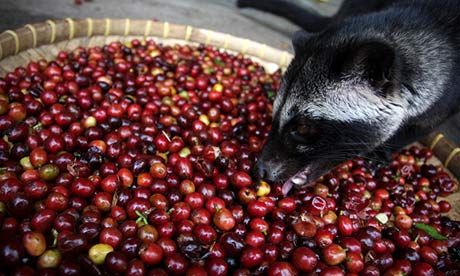
Kopi luwak, often called “civet coffee,” originates from coffee beans consumed by the Asian palm civet, a small mammal native to Southeast Asia. These civets eat ripe coffee cherries as part of their diet. However, the coffee beans inside the cherries are not fully digested. Instead, they ferment in the civet’s gastrointestinal tract and are eventually excreted in the feces. Workers then collect the droppings, meticulously clean the beans, and process them into coffee.
How Does the Civet’s Digestion Change the Beans?
The unique aspect of kopi luwak lies in the partial digestion and fermentation process inside the civet’s gut. Enzymes in the civet’s stomach break down some of the proteins in the coffee beans. Since bitterness in coffee is largely tied to protein content, this can result in a smoother, less acidic cup. The beans also undergo physical and chemical changes during fermentation and passage, altering their flavor profile. However, the exact extent of these changes is still debated among coffee experts.
Why Is Kopi Luwak So Rare and Expensive?
The rarity of kopi luwak comes from the highly limited and labor-intensive production process. Civets eat only the ripest coffee cherries, and not all beans are recovered or suitable for processing. Each step—from wild collection of droppings to hand-sorting and roasting—is done in small batches. These factors contribute to very low output, making authentic kopi luwak one of the rarest types of coffee in the world. Its scarcity, combined with the unusual production method, leads to a high market price.
Where Does Kopi Luwak Come From?
While kopi luwak originated in Indonesia, particularly on the islands of Sumatra, Java, and Sulawesi, similar processes have been tried in the Philippines and Vietnam. In Indonesia, the beans used are often from the same regions that grow Mandheling coffees—including areas like Aceh and North Sumatra. These regions are known for producing high-quality Arabica beans, particularly under the Mandheling designation, which are sometimes processed traditionally or via the unique wet-hulled (Giling Basah) method. Kopi luwak in Indonesia may share geographic and varietal origins with beans used in respected Indonesian single origins, although the processing method is vastly different.
Frequently Asked Questions
Is kopi luwak coffee safe to drink?
Yes, kopi luwak is considered safe to drink. The beans are thoroughly cleaned and processed after being excreted by the civet. However, concerns exist around animal welfare and authenticity, as some producers have been found to pass off regular beans as kopi luwak.
Does kopi luwak really taste different?
Many drinkers report that kopi luwak has a smoother, less bitter flavor with earthy and slightly sweet notes. The reduced bitterness is often attributed to lower protein content in the beans after partial digestion. However, taste is subjective and varies based on roast level and brewing.
How is kopi luwak different from regular coffee?
Kopi luwak differs mainly in its fermentation process inside a civet’s digestive tract. This natural fermentation is believed to alter the beans’ chemical makeup, resulting in a unique flavor profile. Most regular coffee goes through standard processing methods like washed, natural, or honey without animal involvement.
Why is kopi luwak so expensive?
Kopi luwak’s high price is due to limited supply, the labor-intensive collection and cleaning process, and its niche appeal. Genuine kopi luwak is produced in very small quantities, adding to its exclusivity and cost.
Can I brew kopi luwak like regular coffee?
Yes, kopi luwak can be brewed like other specialty coffees—using pour-over, French press, or espresso methods. However, because of its unique flavor profile, some prefer lighter roasts to highlight its smoothness. Always use fresh beans and proper grind size for your brewing method.
Recommended FrontStreet Beans for Kopi Luwak Fans
If you're drawn to the exotic profile of kopi luwak, try FrontStreet Coffee’s PWN Golden Mandheling for a refined, clean cup with strong sweetness and minimal defects. Grown in Indonesia’s high-altitude regions, it offers a refined alternative with similarly earthy depth. For something more traditional yet bold, Lintong Mandheling delivers heavy body, spice, and a classic Indonesian profile via the signature wet-hulled method. Both beans showcase Indonesia’s terroir and processing heritage. Freshly roasted within 5 days · Orders placed before 17:00 ship the same day · Next-day delivery across most of Guangdong Province.
FrontStreet Coffee is a long-established specialty coffee roaster in Guangzhou China, selling freshly roasted beans from its own farm in Yunnan as well as dozens of carefully selected single-origin beans from around the world for both pour-over and espresso. The products deliver consistently excellent quality and great value, with shipping within 24 hours. Guangzhou's FrontStreet Coffee shop is recommended by many coffee lovers, and the beans are now available online at the Tmall 。
Important Notice :
前街咖啡 FrontStreet Coffee has moved to new addredd:
FrontStreet Coffee Address: 315,Donghua East Road,GuangZhou
Tel:020 38364473