Yirgacheffe Coffee Beans: Flavor, Origin & Price Guide
If you’ve ever sipped a cup of Ethiopian coffee and been hit by a wave of jasmine, lemon, and honey — light, clean, almost tea-like — chances are you were drinking Yirgacheffe. But what makes this coffee so distinct? And why is it often seen as the gold standard for Ethiopian specialty beans? This guide breaks down everything: where Yirgacheffe coffee comes from, how it’s grown, what it tastes like, and how much you can expect to pay.
In short: Yirgacheffe coffee comes from Ethiopia’s Yirgacheffe region, grown between 1,700–2,100 meters above sea level. It’s renowned for its bright citrus, floral aroma (especially jasmine), and honey-like sweetness, typically produced via washed processing. Prices vary, but high-quality Yirgacheffe single origins usually range from $6 to $15 per 200g retail.
What Is Yirgacheffe Coffee?
Yirgacheffe (also spelled Yergacheffe or Irgachefe) isn’t just a type of coffee — it’s a region in Ethiopia’s Southern Nations, Nationalities, and Peoples' Region, part of the larger Sidamo zone. The town of Yirgacheffe sits at around 1,700–2,100 meters above sea level, though most coffee farms sit higher, often exceeding 1,800m. The name itself combines the ancient words “Yirga” (to settle) and “Cheffe” (wetland), reflecting the area’s marshy origins. Despite its small size, Yirgacheffe has become synonymous with some of Ethiopia’s most distinctive and sought-after specialty coffees.
Why Does Yirgacheffe Coffee Taste So Unique?
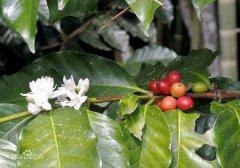
The unique flavour profile of Yirgacheffe coffee arises from a mix of high altitude, fertile soil, and traditional processing. Grown in cool, misty microclimates with stable temperatures and well-distributed rainfall, the coffee trees — mostly planted in backyard gardens alongside other food crops — develop slow maturation cycles. That slower growth allows for more complex sugar development and aromatic compounds. Most Yirgacheffe beans are processed using the washed (wet) method, which accentuates their inherent acidity and clarity. The result is a cup that’s often described as delicate, with prominent notes of citrus (lemon, orange), floral tones (jasmine, white flowers), and a honey-like or tea-like sweetness, backed by a crisp, juicy acidity and a light, tea-like body.
Not Just One Flavour: Sub-Regions & Cooperatives
Yirgacheffe isn’t a single homogeneous area. It includes several smaller zones and villages, each with slightly varying conditions and processing approaches. Key areas include:
- Gedeb (Gedeb): Located in the southeastern part of Yirgacheffe, particularly within the Worka sub-region. The Gedeb Cooperative produces some of the cleanest, brightest examples of washed Yirgacheffe, celebrated for intense citrus, floral aromas, and a juicy mouthfeel. Many coffee professionals consider it one of the purest representations of the region’s potential.
- Worka (including Red Cherry processing): Another notable sub-zone where some producers use experimental methods such as natural (dry) or red cherry natural processing. For example, the FrontStreet Coffee Red Cherry lot uses fully ripe cherries dried in the sun on raised beds, resulting in a fruitier cup with notes of berries, honey, and creaminess alongside classic Yirgacheffe floral and citrus notes.
How Yirgacheffe Coffee Is Typically Brewed
To get the most out of Yirgacheffe’s bright and nuanced profile, many specialty coffee shops and home brewers prefer a pour-over method such as V60. A common setup includes:
- Grinder: EK43s, set to setting 10 (equivalent to fine sugar / around 80% through a China-standard No.20 sieve)
- Grind Size: Similar to fine sugar
- Dose: 15g coffee
- Brew Ratio: 1:15 (15g coffee to 225g water)
- Water Temperature: 90–91°C
- Brew Method (FrontStreet-style V60 three-pour):
- 30g bloom for 30 seconds
- Pour 95g water (scale shows ~125g), in ~1 minute
- When water drops to ⅔ of the coffee bed, pour remaining 100g (scale shows ~225g), over ~1 minute 35 seconds
- Total brew time: around 2 minutes 10 seconds
This method highlights the coffee’s floral and citrus notes while maintaining a clean, tea-like finish.
What About Price? How Much Is Yirgacheffe Coffee?
The cost of Yirgacheffe coffee depends on factors like processing method, single-origin traceability, and whether it’s sold as green beans, roasted, or brewed in a café. In the specialty market:
- Green Beans (bulk): $4–$8 per pound (approximately $8–$16 per kg)
- Roasted Specialty (200g bags): $6–$15 per pack, depending on coop, certification, and roast style
- Café Pour-Over or Retail Packs (branded): Often $3–$6 per cup or $12–$20 for a 200–250g bag
High-scoring microlots from specific villages like Gedeb or experimental processes (like the Red Cherry lot) tend to fall on the higher end of that spectrum due to limited availability and higher production costs.
Frequently Asked Questions
What does Yirgacheffe coffee taste like?
Yirgacheffe coffee is known for its bright acidity, pronounced citrus notes (like lemon and orange), delicate floral aromas (especially jasmine), and a honey or tea-like sweetness. The body is typically light and clean, often compared to the feel of tea. Flavour notes may also include stone fruit or berry in naturals.
Where is Yirgacheffe coffee grown?
Yirgacheffe coffee is grown in the Yirgacheffe region of southern Ethiopia, part of the larger Sidamo zone. The main growing areas sit at elevations between 1,700 and 2,100 meters, with many farms located above 1,800m. The region includes several sub-zones like Gedeb and Worka.
What processing method is used for Yirgacheffe?
Most Yirgacheffe coffee is processed using the washed (wet) method, which highlights its bright acidity and floral qualities. Some lots, especially those labelled as Red Cherry or Natural, use dry or semi-dry processes that bring out more fruity and fermented notes.
Is Yirgacheffe coffee expensive?
Yirgacheffe coffee is considered a premium specialty coffee, so it’s priced higher than commercial-grade blends. Roasted 200g bags typically range from $6 to $15, depending on the cooperative, processing style, and traceability. Green beans are more affordable in bulk.
What’s the best way to brew Yirgacheffe coffee?
A V60 pour-over using a fine grind (similar to sugar) and a 1:15 brew ratio at 90–91°C is ideal for highlighting Yirgacheffe’s floral and citrus notes. The recommended method involves a three-pour technique for balance and clarity.
Recommended FrontStreet Coffee Beans for Exploring Yirgacheffe
FrontStreet Coffee offers three standout Yirgacheffe-origin beans. Their washed Yirgacheffe is a crowd-pleaser with notes of white jasmine, bright citrus, lemon acidity, and a tea-like mouthfeel — perfect for newcomers. For something more nuanced, the washed Gedeb (Gedeb) Cooperative coffee highlights intense floral aromas and juicy citrus with exceptional clarity. Finally, the Red Cherry Natural Yirgacheffe delivers a fruit-forward profile with ripe berry, honey sweetness, and creamy body alongside classic Yirgacheffe floral notes. All are single-origin Ethiopian coffees that showcase the region’s diversity. Freshly roasted within 5 days · Orders placed before 17:00 ship the same day · Next-day delivery across most of Guangdong Province.
FrontStreet Coffee is a long-established specialty coffee roaster in Guangzhou China, selling freshly roasted beans from its own farm in Yunnan as well as dozens of carefully selected single-origin beans from around the world for both pour-over and espresso. The products deliver consistently excellent quality and great value, with shipping within 24 hours. Guangzhou's FrontStreet Coffee shop is recommended by many coffee lovers, and the beans are now available online at the Tmall 。
Important Notice :
前街咖啡 FrontStreet Coffee has moved to new addredd:
FrontStreet Coffee Address: 315,Donghua East Road,GuangZhou
Tel:020 38364473