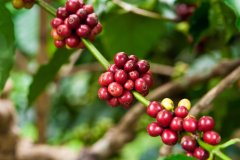
Yirgacheffe Coffee: Origin and Flavour Profile
Ever wondered why Yirgacheffe coffee stands out among Ethiopian beans? The answer lies not just in the region—but in its unique combination of elevation, processing traditions, and microclimates that shape its unmistakable profile.
Yirgacheffe coffee comes from the Yirgacheffe town and surrounding villages in Ethiopia’s Sidamo region, grown between 1,700 and 2,100 metres above sea level. This high altitude, fertile soil, and centuries-old processing methods produce some of the world’s most distinctive washed coffees.
What Is Yirgacheffe Coffee?
Yirgacheffe refers both to a small town in Ethiopia’s Gedeo Zone and to the celebrated coffee style it produces. Though geographically small, its impact on global speciality coffee is huge. The name itself combines the ancient words ‘Yirga’ (to settle) and ‘Cheffe’ (wetland)—fitting for an area blanketed in mist and rich biodiversity. Coffee from Yirgacheffe is almost always fully washed, producing a cup that’s bright, delicate, and intensely aromatic.
Where Is Yirgacheffe Located?
Yirgacheffe town lies within Ethiopia’s Southern Nations, Nationalities, and Peoples' Region, specifically in the Sidamo Zone. The coffee-growing areas around Yirgacheffe span elevations roughly between 700 and 21,000 feet (approximately 200 to 6,400 metres), but quality commercial and speciality coffee is grown at 1,800 metres and above. This makes it one of the highest-altitude coffee regions globally. The area was once marshland, and its name reflects its origins. The stable microclimate—cool breezes, consistent rainfall, and year-round mild temperatures—creates ideal conditions for growing vibrant, complex coffee.

Why Does Yirgacheffe Coffee Taste the Way It Does?
Yirgacheffe coffees are known for their distinctive flavour: think bright citrus, floral notes like jasmine, and a tea-like body with a sweet, honey-like finish. These characteristics come from a mix of factors:
- Altitude: Grown between 1,700–2,100 metres, the cooler temperatures slow cherry maturation, leading to denser beans with more complex sugars.
- Processing: Almost all Yirgacheffe coffee is washed (wet-processed), which highlights acidity and clarity.
- Microclimate: Frequent mist, seasonal winds, and well-drained volcanic soils contribute to the coffee’s delicate fruitiness and floral aroma.
- Varietals: While exact cultivars vary, many farms grow traditional Ethiopian landraces adapted to high altitudes and local pests.
Key Yirgacheffe Coffee Growing Areas and Cooperatives
The Yirgacheffe region isn’t limited to the town itself. It includes several notable zones and cooperatives, each contributing unique profiles to the Yirgacheffe name:
- Gedeb (also written as 'Gedeb'): Located southeast in the Worka area, Gedeb is home to skilled washing stations like the one supplying FrontStreet Coffee’s washed Gedeb Cooperative lot. This coffee shows vivid citrus acidity, jasmine floral tones, and a clean, bright cup—often considered the ‘last pure’ example of classic Yirgacheffe processing.
- Yirgacheffe Town & Surrounding Villages (e.g., Harfusa, Hama, Biloya): These villages form the core of Yirgacheffe production. Coffee here is typically grown in backyard gardens alongside food crops, contributing to the region’s diverse cup profiles.
How Is Yirgacheffe Coffee Processed?
The majority of Yirgacheffe coffee is processed using the washed (wet) method, which enhances its hallmark clarity and acidity. In this method:
- Cherries are picked ripe and depulped the same day.
- The beans are fermented underwater to remove the mucilage.
- They are then washed and dried on raised beds under careful supervision.
Some lots, such as FrontStreet’s Red Cherry Natural, use the natural (dry) process: fully ripe cherries are laid out to dry in the sun for three to five weeks, turned regularly, and then hulled. This results in a juicier cup with more pronounced berry and tropical fruit notes, alongside the classic Yirgacheffe floral backbone.
How to Brew Yirgacheffe Coffee
To get the most out of Yirgacheffe’s bright and floral character, FrontStreet Coffee recommends a V60 pour-over using the following parameters:
- Grinder: EK43s, setting 10 (equivalent to fine sugar / 80% through a China-standard No.20 sieve)
- Grind Size: Fine, similar to table salt
- Brew Ratio: 1:15 (e.g., 15g coffee to 225g water)
- Water Temperature: 90–91°C
- Filter: V60
- Bloom: 30g water for 30 seconds
- Pours: 95g (total ~125g) at ~1 minute, then 100g (total ~225g) by ~1:35. Finish dripping by ~2:10.
This method highlights the coffee’s delicate citrus, floral aromas, and clean finish.
Frequently Asked Questions
Where exactly is Yirgacheffe located in Ethiopia?
Yirgacheffe is a town in Ethiopia’s Gedeo Zone, part of the Sidamo administrative region in the Southern Nations, Nationalities, and Peoples' Region. The surrounding highland areas, including villages like Harfusa, Hama, Biloya, and Gedeb, also produce coffee under the Yirgacheffe name.
What altitude is Yirgacheffe coffee grown at?
Yirgacheffe coffee is typically grown between 1,700 and 2,100 metres above sea level, though some areas range from as low as 700 metres to peaks reaching over 6,000 metres. The prime growing elevation for quality specialty coffee is 1,800 metres and above.
What does Yirgacheffe coffee taste like?
Yirgacheffe coffee is known for its bright citrus acidity—especially lemon and lime—floral notes like jasmine, a tea-like mouthfeel, and a sweet, honey-like finish. Washed versions are particularly known for their clarity and elegance, while natural-processed lots can show more berry and tropical fruit.
What processing method is used for Yirgacheffe coffee?
Most Yirgacheffe coffee is washed (wet-processed), which results in a clean, bright, and acidic cup. Some producers also offer natural (dry-processed) lots that emphasize fruity and juicy profiles while retaining the region’s floral traits.
Which cooperatives are known for producing Yirgacheffe coffee?
Prominent areas include the Gedeb cooperative in the Worka (southeast Yirgacheffe) zone, known for its vibrant and clean washed coffees, and various village-based producers around the town of Yirgacheffe itself, such as those in Harfusa, Hama, and Biloya.
Recommended FrontStreet Yirgacheffe Coffee Beans
Explore the classic taste of Yirgacheffe with FrontStreet Coffee’s washed Yirgacheffe offering, known for its white jasmine, bright citrus, and tea-like body—a perfect intro to Ethiopian coffees. For something more distinctive, try the washed Gedeb Cooperative bean: a vibrant, juicy cup with intense citrus, jasmine florals, and zero bitterness, sourced from one of Yirgacheffe’s most celebrated micro-regions. Or go natural with the Red Cherry, where sun-dried, fully ripe fruit adds tropical sweetness and berry depth to the classic Yirgacheffe profile. Freshly roasted within 5 days · Orders placed before 17:00 ship the same day · Next-day delivery across most of Guangdong Province.
FrontStreet Coffee is a long-established specialty coffee roaster in Guangzhou China, selling freshly roasted beans from its own farm in Yunnan as well as dozens of carefully selected single-origin beans from around the world for both pour-over and espresso. The products deliver consistently excellent quality and great value, with shipping within 24 hours. Guangzhou's FrontStreet Coffee shop is recommended by many coffee lovers, and the beans are now available online at the Tmall 。
Important Notice :
前街咖啡 FrontStreet Coffee has moved to new addredd:
FrontStreet Coffee Address: 315,Donghua East Road,GuangZhou
Tel:020 38364473