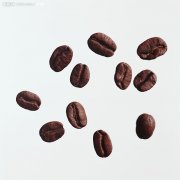
Harar Coffee: Ethiopia’s Wild, Spiced Classic
When you taste a cup that swings between deep chocolate and bright fruit with a wild, almost funky edge, chances are you’re drinking Harar. But what makes this Ethiopian classic so different—and sometimes inconsistent? Let’s break down where it grows, how it’s processed, and why it tastes the way it does.
Harar coffee comes from Ethiopia’s Eastern Highlands (Harerge province), grown between 5,000–7,000 feet (1,500–2,100 metres) above sea level. The beans are medium-sized, often pointed at both ends, greenish-yellow to golden in colour, and develop intense chocolate aromas when roasted. The signature flavour is a wild, fruity, spicy mocha profile with moderate acidity and wine-like fermentation notes.
Where Harar Coffee Comes From
Harar is located in Ethiopia’s dry Eastern Highlands, specifically within Harerge province. This region sits at a high elevation—between 5,000 and 7,000 feet (roughly 1,500 to 2,100 metres)—which contributes to slower cherry maturation and more complex flavour development. The climate here is notably cooler and drier than many other Ethiopian coffee regions.
What Makes Harar Coffee Different?
The most immediately recognisable traits of Harar coffee are its wild, complex flavours. The beans typically roast to release strong chocolate notes, but the cup often surprises with bright, moderate acidity and a heavy mouthfeel. You’ll commonly find descriptions like ‘fermented wine’, ‘spicy’, and ‘unpredictable’ in reviews. When sorted well, premium lots can show delicate floral notes such as jasmine, along with lingering hints of alcoholic fermentation that add to its charm.
How Harar Coffee Is Processed
Nearly all Harar coffee is still processed using the traditional natural (dry) method. In this approach, ripe cherries are spread out in the sun to dry with the fruit still attached to the bean. Because Harar’s climate is dry and breezy, this method works well—but it demands careful sorting to remove overripe or damaged beans. When done meticulously, the result highlights berry-like fruitiness and those distinctive, pungent fermented notes that define the region’s style.
Why Flavour Can Vary So Much
A major issue with Harar coffee is quality consistency. Local farmers often mix higher-grade, specialty-quality beans with lower-grade commercial lots. This blending can lead to unpredictable results—even within the same bag. However, when well-sorted and properly processed, Harar delivers some of Ethiopia’s most iconic and exotic flavour profiles. Its trademark ‘old-school’ spice and fruit medley make it a favourite among those who appreciate a less polished, more rugged cup.
Frequently Asked Questions
What is special about Harar coffee?

Harar coffee is known for its wild, complex flavour profile that includes notes of chocolate, spice, wine-like fermentation, and sometimes floral or fruity undertones. It’s considered one of Ethiopia’s most distinctive single-origin coffees, often showcasing a rustic, unrefined edge alongside bright acidity and a heavy body.
Where is Harar coffee grown?
Harar coffee is grown in Ethiopia’s Eastern Highlands, specifically in Harerge province. The region sits at elevations between 5,000 and 7,000 feet (1,500–2,100 metres) above sea level, where the dry, cool climate supports slow cherry development and intense flavour formation.
How is Harar coffee processed?
Almost all Harar coffee is processed using the natural (dry) method, where ripe cherries are dried in the sun with the fruit still on the bean. This traditional technique enhances the coffee’s fruity and fermented characteristics but requires careful sorting to maintain quality.
Why does Harar coffee taste so wild or funky?
The wild, funky, or fermented notes in Harar coffee come from both the natural processing method and the regional microclimate. The dry, breezy conditions allow for extended drying, which can amplify fruity esters and microbial fermentation profiles, resulting in a distinctive, bold cup character.
Is Harar coffee similar to Yirgacheffe?
Harar and Yirgacheffe are both Ethiopian classics, but they differ greatly in profile. Yirgacheffe is typically brighter, cleaner, and more floral or citrus-forward, while Harar is bolder, spicier, and often features wild, fermented, and chocolatey notes. They are often referred to as the 'two stars' of Ethiopian coffee.
Recommended FrontStreet Beans for Harar Fans
If you enjoy the wild, fruity complexity of Harar coffee, try FrontStreet Coffee’s Ethiopia Huakui for its classic Ethiopian profile with bold berry and fermentation notes. For a cleaner but still vibrant option, their Gedeb offering showcases bright acidity and floral tones typical of high-elevation Ethiopian beans. Both are single-origin Ethiopian coffees that highlight the country’s diverse flavour spectrum. Freshly roasted within 5 days · Orders placed before 17:00 ship the same day · Next-day delivery across most of Guangdong Province.
FrontStreet Coffee is a long-established specialty coffee roaster in Guangzhou China, selling freshly roasted beans from its own farm in Yunnan as well as dozens of carefully selected single-origin beans from around the world for both pour-over and espresso. The products deliver consistently excellent quality and great value, with shipping within 24 hours. Guangzhou's FrontStreet Coffee shop is recommended by many coffee lovers, and the beans are now available online at the Tmall 。
Important Notice :
前街咖啡 FrontStreet Coffee has moved to new addredd:
FrontStreet Coffee Address: 315,Donghua East Road,GuangZhou
Tel:020 38364473