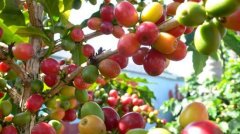
Where Papua New Guinea Coffee Beans Come From
Ever wonder why some specialty coffee bags proudly declare "Papua New Guinea" on the label—and why those beans often taste fruitier, brighter, and more complex than others from Southeast Asia? The answer isn’t just marketing. It’s rooted in where and how those beans are grown: on remote highland farms, often inaccessible by road, where natural growing conditions—and challenges—create a truly distinctive cup.
In short: around 75% of Papua New Guinea’s coffee comes from small local farms at elevations between 1300 and 1800 meters. Most are organic by necessity due to transport difficulties. This unique setup produces high-quality specialty beans with distinct profiles—but the journey to consistent excellence hasn’t been simple.
The Origins of PNG Coffee Farming
Papua New Guinea’s coffee industry is largely built on smallholder farms. Roughly 75% of the country’s coffee production comes from these small-scale, local operations. Many of these farms are carved out of forested areas, with some located deep in isolated jungle regions. The majority of PNG coffee grows at high altitudes—between 1300 and 1800 meters—where cooler temperatures and slower bean development contribute to higher cup quality. While low-elevation coffee is grown in small amounts, it’s far less common and generally not a major part of the export profile.
Why Highland Altitude Matters
Growing coffee at 1300–1800 meters isn’t easy—but it’s essential for quality. The high elevation slows cherry maturation, allowing beans to develop more complex sugars and acids. This altitude range is ideal for producing the bright acidity and fruity complexity that specialty coffee buyers seek. Most farming happens in forested or mountainous terrain, often with limited infrastructure, adding to the challenges—and the charm—of PNG-grown beans.
The History and Economic Role of Coffee in PNG
Coffee plays a vital role in Papua New Guinea’s economy. Over one million people are directly or indirectly involved in coffee production and trade. The national Coffee Industry Board, based in Goroka on the eastern side of the island, oversees quality control and industry standards, although private companies handle exports. In the mid-1970s, a global frost devastated Brazil’s coffee crops—an event that opened doors for PNG to expand its own production. The government launched programs encouraging rural landowners to establish around 20-hectare coffee plantations, which significantly increased local cultivation.
The 1990s Quality Crisis and Recovery
Production boomed through the 1980s, hitting one million 60kg bags by 1990. But rapid growth led to inconsistent quality. Until 1991, most PNG coffee graded as Y—mid-tier—but post-1991, quality dropped and the country lost key European markets. The “one grade, one price” policy backfired, as lower-quality beans tarnished the reputation of the Y grade. To fix this, the government introduced new grading tiers, temporarily suspended Y-grade production, and abandoned the single-price system. This allowed buyers to pay based on actual quality. By 1993, quality had mostly recovered, and many former buyers returned. The Y grade was reintroduced at a slightly lower premium, reflecting improved consistency.
Growing Practices: Challenges and Organic Realities
Most PNG coffee is grown organically—not by choice, but by necessity. Transporting chemical fertilizers and pesticides to remote highland farms is logistically difficult and expensive, so farmers rely on natural growing conditions. This organic approach, combined with high elevation and shaded cultivation, contributes to the unique cup profile of PNG beans. However, inconsistent harvesting—due to lack of rigorous sorting or attention to ripeness—means bean maturity can vary, affecting batch uniformity. AA-grade beans are rare; most exports fall into A and AB grades.
Flavor Profile: What Makes PNG Coffee Unique
PNG coffee typically offers a balanced cup with moderate to light acidity, medium body, and a smooth mouthfeel. The flavor often includes notes of nuts, mild fruits, and subtle spices. Unlike Indonesian coffees, which tend toward earthy or spicy profiles, PNG beans lean closer to the brighter, fruitier characteristics of South American coffees. A-grade beans—more commonly available than the rare AA—are especially valued for their well-rounded shape, softer acidity, and lingering aftertaste.
The Typica Connection: Heritage Varieties in PNG
The coffee trees in PNG are primarily of the Typica variety, originally brought from Jamaica’s famous Blue Mountain region. Thanks to similar growing conditions—high altitude, consistent rainfall, and volcanic-influenced soils—the plants adapted quickly to New Guinea’s environment. Typica is known for its clean cup and gentle acidity, traits that carry through to many PNG coffees. The focus on traditional cultivation methods, including washed processing, helps preserve these distinctive qualities.

How PNG Coffee Is Processed
Most PNG coffee is processed using the washed (wet) method, which enhances clarity and brightness in the cup. In regions like the Western Highlands, farms use natural spring water to ferment and wash the beans before drying them on raised beds or patios. This careful processing helps maintain the delicate fruit and floral notes that define high-quality PNG lots. Consistency in processing—especially in remote areas—remains a challenge, but improvements over the past two decades have helped stabilize quality overall.
Frequently Asked Questions
Where is Papua New Guinea coffee grown?
Papua New Guinea coffee is grown mainly in highland regions at elevations between 1300 and 1800 meters. Most farms are located in forested or mountainous areas across the island, often in remote locations with limited infrastructure. The high altitude is key to the coffee’s bright acidity and complex flavors.
What percentage of PNG coffee comes from small farms?
About 75% of Papua New Guinea’s coffee is produced by small local farms. These are typically family-run or community-based operations, often located in isolated or forested areas. The smallholder model is central to the country’s coffee industry structure.
Why is PNG coffee often organic?
Most PNG coffee is effectively organic by necessity. Due to the remoteness of highland farms, transporting chemical fertilizers and pesticides is difficult and expensive. As a result, farmers rely on natural growing conditions, making organic practices common, even if not formally certified.
What happened to PNG coffee quality in the 1990s?
In the early 1990s, rapid production increases led to quality declines. PNG lost key European markets as lower-grade beans damaged the reputation of its Y-grade coffee. The government responded by introducing new quality tiers, suspending Y-grade production temporarily, and abandoning the “one grade, one price” policy to restore buyer confidence by 1993.
What coffee varieties are grown in PNG?
The majority of coffee in Papua New Guinea is Typica, originally introduced from Jamaica’s Blue Mountain region. This variety thrives in PNG’s high-altitude, rainy conditions and contributes to the coffee’s clean, balanced profile with soft acidity and subtle fruitiness.
How is PNG coffee typically processed?
Most PNG coffee is processed using the washed (wet) method. Farmers ferment and wash the beans with clean water—often from natural springs—then dry them on raised beds or patios. This method helps highlight the coffee’s inherent brightness and fruit notes, contributing to its specialty-grade potential.
Recommended FrontStreet Beans from Papua New Guinea
Try the FrontStreet (Bird of Paradise), a standout PNG offering sourced from the Sigri Estate in the Western Highlands. It’s processed with meticulous care: handpicked ripe cherries are washed with pure spring water, naturally dried, and precisely sorted. The cup delivers sweet notes of toast, hazelnuts, and a unique spicy finish, with vibrant acidity and a smooth, syrupy body. Ideal for fans of bright yet balanced island coffees. Freshly roasted within 5 days · Orders placed before 17:00 ship the same day · Next-day delivery across most of Guangdong Province.
FrontStreet Coffee is a long-established specialty coffee roaster in Guangzhou China, selling freshly roasted beans from its own farm in Yunnan as well as dozens of carefully selected single-origin beans from around the world for both pour-over and espresso. The products deliver consistently excellent quality and great value, with shipping within 24 hours. Guangzhou's FrontStreet Coffee shop is recommended by many coffee lovers, and the beans are now available online at the Tmall 。
Important Notice :
前街咖啡 FrontStreet Coffee has moved to new addredd:
FrontStreet Coffee Address: 315,Donghua East Road,GuangZhou
Tel:020 38364473