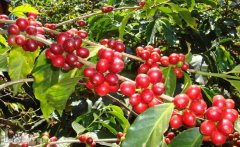
What Makes Papua New Guinea Coffee Beans Unique
When you taste a bright, fruity coffee with hints of nuts and spice but can’t place its origin, there’s a good chance it’s from Papua New Guinea. But why does coffee from this small Pacific nation stand out? And why have global buyers sometimes avoided it? This article explains the unique story behind PNG coffee: where it comes from, how it’s grown, the challenges it has faced, and what makes it worth trying today.
Papua New Guinea produces mostly high-altitude Arabica, with around 75% grown on small farms between 1,300–1,800 meters. Most beans are Typica, processed via traditional washed methods. The best-graded lots—mainly A and AB—are known for a balanced cup: medium body, mild acidity, and lingering sweetness with nut and fruit notes.
The Origins and Scale of PNG Coffee Farming
Nearly 75% of Papua New Guinea’s coffee comes from smallholder farms, often family-run and located in remote, forested highland areas. These farms exist at elevations between 1,300 and 1,800 meters—ideal for quality Arabica cultivation. Some farms are so isolated they are nearly unreachable. A small amount of coffee is grown at lower altitudes, but production there is minimal. Most farming is done without synthetic fertilizers or pesticides due to the high cost and difficulty of transporting agrochemicals to these mountainous regions.
How PNG Coffee Became a Global Player—and Then Lost Its Way
The country’s coffee industry became significant after Brazil’s 1975 frost devastated global supply. That crisis prompted the PNG government to launch a program supporting the establishment of around 20-hectare coffee farms on collective or village-owned land. By 1990, annual production had hit one million 60kg bags. The Coffee Industry Board, based in Goroka on the eastern side of the island, oversaw quality and pricing policies, while private companies handled exports.
Initially, PNG coffee earned a solid reputation, with much of it graded as Y-grade—an export classification indicating mid- to high-quality beans. However, rapid production growth led to inconsistent quality. By 1991, the overall quality began to decline, causing buyers in Europe to back away. The ‘one grade, one price’ policy worsened the issue, as lower-quality beans devalued the Y-grade name. The policy did not account for natural variations in coffee quality, leading to market confusion and a buildup of unsellable stock.
Rebuilding Quality: PNG’s Coffee Policy Overhaul
To address the decline, the government introduced new, more nuanced coffee grades and temporarily halted production of the Y-grade. They also abandoned the problematic ‘one grade, one price’ model. This allowed buyers to pay based on actual bean quality, though it reduced income for farmers producing lower-grade lots. These reforms helped stabilize quality by the early 1993, and many former buyers returned. The Y-grade was reintroduced at a slightly lower premium, reflecting its improved but not peak status.
Flavor Profile and Common Cup Qualities of PNG Coffee
Most exported PNG coffee falls into the A and AB grades. A-grade beans are prized for their full body, relatively mild acidity, and a clean, sweet finish. The cup typically expresses notes of nuts, mild fruits, and subtle spices. These profiles are achievable thanks to the high-altitude growing conditions, traditional washed processing, and the dominance of the Typica variety, originally brought from Jamaica’s Blue Mountains. Though AA beans exist, they are rare; A and AB are the most commonly available to international buyers.
PNG coffee is typically grown under shade and often farmed organically by default, due to the logistical barriers of importing conventional agricultural inputs. The remoteness of many farms also means labor-intensive, careful harvesting remains common—when managed well.
Where PNG Coffee Fits in the Specialty Market Today
Today, PNG coffee occupies a unique space in the specialty market. It offers a cup profile closer to that of Latin American coffees—bright, balanced, and fruity—rather than the earthy, spicy notes typical of lower-altitude Indonesian beans. Its price point is generally more accessible than respected origins like Kenya or Ethiopia, making it an appealing option for roasters and drinkers seeking something different without a steep cost. The majority of PNG’s production still comes from smallholder plots, meaning each lot can vary, but well-sorted A and AB grades deliver reliable quality for those who seek a traceable, high-altitude, washed coffee with a smooth, approachable profile.

Frequently Asked Questions
Where is Papua New Guinea coffee grown?
Papua New Guinea coffee is grown primarily in highland regions at elevations between 1,300 and 1,800 meters. The rugged, forested terrain and island geography mean many farms are small and remotely located. A small amount of coffee is also grown at lower altitudes, but most production is concentrated in the cooler, high-altitude zones ideal for Arabica.
What coffee variety is most common in PNG?
The majority of coffee grown in Papua New Guinea is the Typica variety, originally introduced from Jamaica’s Blue Mountains. This old-school Arabica variety thrives in the high-altitude, tropical conditions and contributes to the classic, clean cup profile associated with PNG coffee.
How is PNG coffee processed?
PNG coffee is typically processed using the traditional washed method. This involves removing the coffee cherry’s skin and pulp, fermenting the beans to remove the mucilage, and then washing and drying them on raised beds or patios. The washed process highlights the bean’s inherent qualities and contributes to a cleaner, brighter cup.
What are the main coffee grades in PNG?
PNG coffee is graded into several levels, with A and AB being the most commonly exported. Historically, Y-grade was also important, but after quality issues in the early 1990s, the grading system was overhauled. The country no longer uses a ‘one grade, one price’ model, allowing buyers to purchase based on actual bean quality.
Why did PNG coffee lose favor in the 1990s?
PNG coffee lost market confidence in the early 1990s due to declining quality caused by rapid production increases. The government’s ‘one grade, one price’ policy further damaged the reputation of higher-grade beans like Y-grade, as lower-quality lots were sold at the same price. This led to European buyers withdrawing until grading reforms were introduced around 1993.
What does PNG coffee taste like?
PNG coffee typically has a medium body, mild acidity, and a clean, sweet finish. Common tasting notes include nuts, mild fruits, and subtle spices. The cup is generally well-balanced, with a smoother, more approachable profile compared to brighter or more intense origins. A and AB grades offer the most consistent expressions of these flavors.
Recommended FrontStreet Coffee Beans from Papua New Guinea
Try FrontStreet’s Paradise Bird, a single-origin washed coffee from the Sigri Estate in Western Highlands PNG. It features a medium roast that highlights notes of toasted bread, nuttiness, and a unique spicy finish. The cup is rich yet balanced, with bright acidity and a fruity sweetness reminiscent of stone fruit. Freshly roasted within 5 days · Orders placed before 17:00 ship the same day · Next-day delivery across most of Guangdong Province.
FrontStreet Coffee is a long-established specialty coffee roaster in Guangzhou China, selling freshly roasted beans from its own farm in Yunnan as well as dozens of carefully selected single-origin beans from around the world for both pour-over and espresso. The products deliver consistently excellent quality and great value, with shipping within 24 hours. Guangzhou's FrontStreet Coffee shop is recommended by many coffee lovers, and the beans are now available online at the Tmall 。
Important Notice :
前街咖啡 FrontStreet Coffee has moved to new addredd:
FrontStreet Coffee Address: 315,Donghua East Road,GuangZhou
Tel:020 38364473