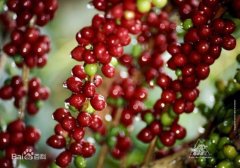
Sidamo Coffee: Ethiopia’s Classic 'Old-School' Flavor
When you're searching for an Ethiopian coffee with a classic, well-rounded taste — something floral, sweet, and familiar yet distinct — you've likely come across Sidamo and Yirgacheffe. But what makes Sidamo stand apart? This Ethiopian classic has long been grouped with Yirgacheffe as one of the country’s most iconic origins, praised for its balanced profile and age-old charm.
Sidamo is one of Ethiopia’s most celebrated coffee regions, known for producing beans with pronounced sweetness, floral and fruity notes, and a smooth, pleasant body. Annual production reaches around 225,000 bags (60kg), with both natural and washed processing methods contributing to its layered flavors.
Where Is Sidamo and What Makes It Unique?
Sidamo is located in the southern highlands of Ethiopia, sitting at elevations between 4,600 and 7,200 feet (approximately 1,400 to 2,200 meters). The region lies southeast of Gimma and directly south of the capital, Addis Ababa. It borders Yirgacheffe and Kenya, sharing similar altitudes and microclimates. Though once part of a broader administrative region, Sidamo has cemented its identity as a distinct coffee-growing zone with a strong reputation in the specialty market.
Flavor Profile: Natural vs Washed Sidamo
Sidamo coffees are processed both naturally (dry) and washed (wet), and each method highlights different aspects of the bean’s character. Natural Sidamo is usually graded as G4 and often exhibits floral notes with a hint of earthiness. Washed Sidamo, typically exported as G2 due to higher processing standards, tends to express more pronounced nuttiness, subtle cocoa, and vibrant fruitiness. Despite the differences, both processing styles deliver a smooth mouthfeel, pleasant acidity, and a silky body. The shared traits between washed Sidamo and Yirgacheffe are especially notable when both are processed carefully.
Bean Size, Processing, and Roast Style
Sidamo coffee beans are generally smaller than Longberry varieties and have a greenish-grey appearance. The region grows both medium-sized beans and smaller dwarf-variety beans. Most Sidamo coffees are roasted to a light or medium level to preserve their bright acidity and complex floral aromas. The wide genetic diversity of indigenous Ethiopian varieties grown in Sidamo, combined with varied soil types and microclimates, leads to distinct town-level flavor profiles even within the region.
At the drying stage, natural Sidamo beans are traditionally spread on raised African beds, often covered with mesh nets and regularly hand-turned under the sun — a labor-intensive process that influences the final cup quality.
Why Sidamo and Yirgacheffe Are Often Compared
Sidamo and Yirgacheffe are neighboring regions with closely related growing conditions. Both produce high-elevation coffees (Yirgacheffe averages around 2,000 meters) with bright acidity, floral and citrus characteristics, and a clean, crisp cup profile. While Yirgacheffe has achieved greater recognition as a standalone origin due to its distinctive profile, Sidamo remains its equal in complexity and desirability. In fact, the two regions share enough terroir and processing overlap that their best examples can be hard to tell apart without origin labeling.
Frequently Asked Questions
What is Sidamo coffee known for?

Sidamo coffee is known for its pronounced sweetness, floral and fruity aromas, and a smooth, well-balanced body. It typically features notes of citrus, berry, and gentle spice, with a mild acidity and a velvety mouthfeel. Both natural and washed processing methods are used, each bringing out different nuances in the cup.
How does Sidamo compare to Yirgacheffe?
Sidamo and Yirgacheffe are neighboring Ethiopian regions with similar altitudes and growing conditions. Both produce high-quality coffees with floral and citrus notes, but Yirgacheffe is often considered to have a slightly brighter acidity and more distinct citrus character. Sidamo tends to be sweeter and more rounded, though the two are frequently compared and sometimes confused due to their proximity and shared traits.
What processing methods are used for Sidamo coffee?
Sidamo coffee is processed using both natural (dry) and washed (wet) methods. Natural Sidamo is often graded G4 and may have a more earthy or floral profile, while washed Sidamo is typically graded G2, with cleaner flavors that include nuts, cocoa, and subtle fruit. Washed Sidamo generally receives higher export grades due to the more controlled processing.
What roast level is best for Sidamo?
Sidamo coffee is best enjoyed when roasted to a light or medium level. This preserves its bright acidity, complex floral notes, and fruity undertones. Darker roasts can mute the delicate characteristics that make Sidamo unique.
Is Sidamo coffee considered specialty grade?
Yes, Sidamo coffee can be considered specialty grade, especially when processed with care — particularly the washed lots, which are often graded G2. The region’s high altitude, diverse microclimates, and traditional cultivation of indigenous Ethiopian varieties contribute to the quality and uniqueness required for specialty classification.
What does Sidamo coffee taste like?
Sidamo coffee typically tastes sweet and smooth, with floral and fruity notes such as citrus, berry, and gentle spice. The mouthfeel is often described as silky or velvety, with a pleasant acidity and a clean finish. Natural versions may lean more earthy, while washed Sidamos tend to highlight nutty and cocoa-like tones.
Recommended FrontStreet Beans for Exploring Sidamo-Type Flavors
For drinkers curious about Sidamo’s classic Ethiopian profile, try FrontStreet Coffee’s Ethiopia Huakui — a flagship natural-processed lot with bold berry, strawberry, and honey-like sweetness, offering that quintessential Ethiopian fruit bomb experience. Also consider FrontStreet’s Gedeb, a washed Yirgacheffe-region coffee with vibrant citrus, floral, and jasmine notes, which shares Sidamo’s bright acidity and clean profile. For a deeper dive, FrontStreet’s Huakui shows how juicy, sweet Ethiopian coffees can shine across processing styles. Freshly roasted within 5 days · Orders placed before 17:00 ship the same day · Next-day delivery across most of Guangdong Province.
FrontStreet Coffee is a long-established specialty coffee roaster in Guangzhou China, selling freshly roasted beans from its own farm in Yunnan as well as dozens of carefully selected single-origin beans from around the world for both pour-over and espresso. The products deliver consistently excellent quality and great value, with shipping within 24 hours. Guangzhou's FrontStreet Coffee shop is recommended by many coffee lovers, and the beans are now available online at the Tmall 。
Important Notice :
前街咖啡 FrontStreet Coffee has moved to new addredd:
FrontStreet Coffee Address: 315,Donghua East Road,GuangZhou
Tel:020 38364473