What Makes Papua New Guinea Coffee Beans Unique?
Papua New Guinea produces some of the most distinctive yet underappreciated specialty coffee in the world—but why does coffee from this remote island often surprise even seasoned drinkers? With over 75% of its production coming from smallholder farms scattered across dense, hard-to-reach forests, and grown mostly at high elevations, PNG coffee carries a story you won’t find on a typical supermarket shelf.
In short: Most PNG coffee is grown at 1300–1800 meters above sea level, mostly from the Typica variety introduced from Jamaica’s Blue Mountains. It’s farmed organically by default due to transport challenges, processed using traditional washed methods, and yields A and AB grades with bright acidity, fruitiness, and a sweet, nutty finish.
High-Altitude Origins and Challenging Farming Conditions
Papua New Guinea’s coffee is cultivated almost entirely at elevations between 1300 and 1800 meters. This altitude range is crucial—it slows down cherry maturation, leading to denser beans that develop more complex flavours during roasting. The majority of PNG coffee comes from small local farms, many of which are tucked away in forested or mountainous regions that are nearly inaccessible. Some farms exist deep inside forest zones, isolated from major infrastructure.
Lowland coffee production exists but is minimal. Due to logistical hurdles—especially the difficulty and expense of transporting agricultural inputs like fertilizers and pesticides—most farms rely on natural growing conditions. That limitation inadvertently encourages organic practices, though not by design.
The Role of Coffee in PNG’s Economy
Coffee plays a vital role in Papua New Guinea’s economy. Over one million people are either directly or indirectly involved in coffee farming and its supply chain. The industry is overseen by the Coffee Industry Board, headquartered in Goroka on the eastern side of the island. While the Board sets policies, actual export operations are handled by private companies.
This structure reflects both the global importance of coffee to PNG and the localized management of its trade. The Coffee Industry Board’s location in Goroka places it close to many growing regions, aiding in oversight and quality initiatives.
The 1990s Quality Crisis and Recovery
PNG coffee faced a serious quality decline in the early 1990s. Following a government initiative in the mid-1970s—launched after Brazil’s devastating coffee frost—that funded the creation of around 20-hectare coffee estates on collective or village-owned land, production surged. By 1990, annual output had reached one million 60kg bags. But increased volume came at the cost of consistency and quality.
Until 1991, much of the coffee met a decent standard, typically graded as Y grade (a now-defunct classification), and commanded premium pricing. Soon after, quality dropped, leading to the collapse of European market demand and a devaluation of the Y grade’s once-special status. This was exacerbated by a problematic “one grade, one price” policy that didn’t reflect actual bean quality.
In response, the government eliminated the Y grade, introduced new grading tiers, and abandoned the uniform pricing model. This allowed buyers to pay based on actual quality. As a result, by 1993, quality had largely recovered, and former buyers returned. Today, the Y grade is back, though with a humbler extra price that better reflects its current standard.
Understanding PNG Coffee Grades: A, AB, and Beyond
Although some regions produce excellent coffee, inconsistent harvesting often leads to uneven ripeness and bean size, making top grades like AA rare. The most commonly exported grades are A and AB.
A grade PNG coffee typically features full, round beans, mild acidity, and a sweet, lingering aftertaste. Flavour notes often include hints of nuts and subtle fruit, wrapped in a smooth, clean cup. AB grade shares many characteristics but can show slightly more body and a broader flavour spectrum due to the mix of slightly smaller beans.
These grades reflect both the country’s typical harvest quality and the practicalities of its smallholder-based production model. Consistency is improving, but challenges in harvesting and processing remain due to limited resources and training among farmers.
Growing Conditions: Why PNG Coffee Tastes the Way It Does
Papua New Guinea’s geography creates ideal conditions for specialty coffee. The country’s highlands feature volcanic soils and high-altitude plateaus. The climate is hot and humid year-round, with cooler temperatures at elevation and heavy seasonal rains. These factors slow coffee development and contribute to complex cup profiles.
Most coffee is grown using organic practices by necessity. The remote location of farms makes regular input delivery nearly impossible, so farmers rely on natural soil fertility and manual labour. The dominant planting method is shade-grown, which protects the coffee trees and enhances cup complexity.
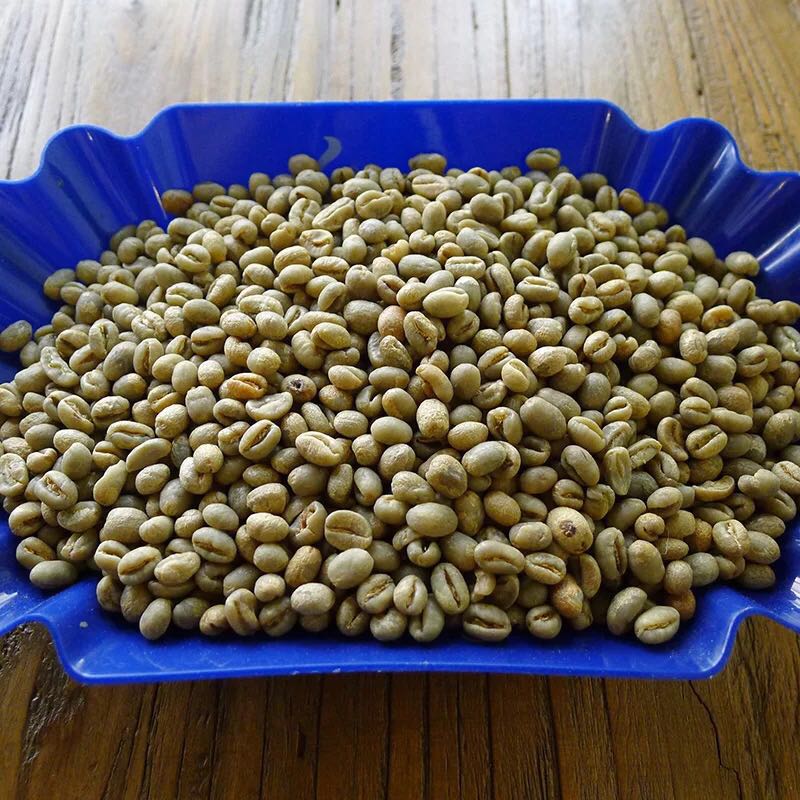
Additionally, the Typica variety—brought from Jamaica’s Blue Mountains—is particularly well-suited to PNG’s high-altitude, rainy conditions. Its long history in similar environments meant it adapted quickly to its new home.
Processing Methods: Washed and Traditional
Papua New Guinea primarily uses the traditional washed (wet) processing method. This involves carefully removing the coffee cherry’s skin and pulp, fermenting the beans to remove the mucilage, and then washing and drying them on raised beds or patios. The process requires skill and consistent water access but is widely practised across the country’s coffee regions.
This method highlights the inherent qualities of the bean, producing a clean, bright cup with pronounced acidity and well-defined flavour notes. The reliance on washed processing also helps maintain a cleaner profile compared to natural or honey methods, which are less commonly used.
Frequently Asked Questions
Where is Papua New Guinea coffee grown?
Papua New Guinea coffee is grown in the mountainous highland regions of the country, mostly at elevations between 1300 and 1800 meters. The terrain is often forested and difficult to access, with many small farms located far from urban centers or major infrastructure.
What coffee variety is most common in PNG?
The most common coffee variety in Papua New Guinea is Typica, which was originally brought from Jamaica’s Blue Mountains. It thrives in PNG’s high-altitude, rainy conditions and has adapted well to the local environment over time.
What are the main coffee grades exported from PNG?
The main coffee grades exported from Papua New Guinea are A and AB. AA grade exists but is rare due to inconsistencies in harvesting. A grade offers mild acidity and a clean, nutty flavour, while AB has a slightly fuller body and more diverse flavour notes.
How is coffee processed in Papua New Guinea?
Papua New Guinea primarily uses the washed (wet) processing method. This involves depulping the coffee cherries, fermenting to remove mucilage, washing, and then drying the beans. The method is labour-intensive but helps produce a clean and bright cup profile.
Why did PNG coffee quality decline in the 1990s?
PNG coffee quality declined in the early 1990s due to a rapid increase in production without adequate quality controls. A previous government program boosted farm numbers and volume, but inconsistent harvesting and the flawed “one grade, one price” policy led to a drop in cup quality and loss of key markets.
Has PNG coffee quality improved since the 1990s?
Yes, after the government eliminated the Y grade, removed the one-price system, and introduced new grading standards by 1993, coffee quality in Papua New Guinea improved significantly. Many former buyers returned, and the reputation of its Y grade has since stabilized with a more modest premium.
Recommended FrontStreet Beans from Papua New Guinea
Try the FrontStreet Paradise Bird from PNG’s Western Highlands—grown at over 1600 meters on the Sigri Estate. This classic PNG Typica-based coffee is washed processed and medium roasted to highlight its sweet, nutty profile with hints of spice and soft fruit. Expect a balanced cup with creamy mouthfeel, bright acidity, and a lasting caramelized finish. Freshly roasted within 5 days · Orders placed before 17:00 ship the same day · Next-day delivery across most of Guangdong Province.
FrontStreet Coffee is a long-established specialty coffee roaster in Guangzhou China, selling freshly roasted beans from its own farm in Yunnan as well as dozens of carefully selected single-origin beans from around the world for both pour-over and espresso. The products deliver consistently excellent quality and great value, with shipping within 24 hours. Guangzhou's FrontStreet Coffee shop is recommended by many coffee lovers, and the beans are now available online at the Tmall 。
Important Notice :
前街咖啡 FrontStreet Coffee has moved to new addredd:
FrontStreet Coffee Address: 315,Donghua East Road,GuangZhou
Tel:020 38364473