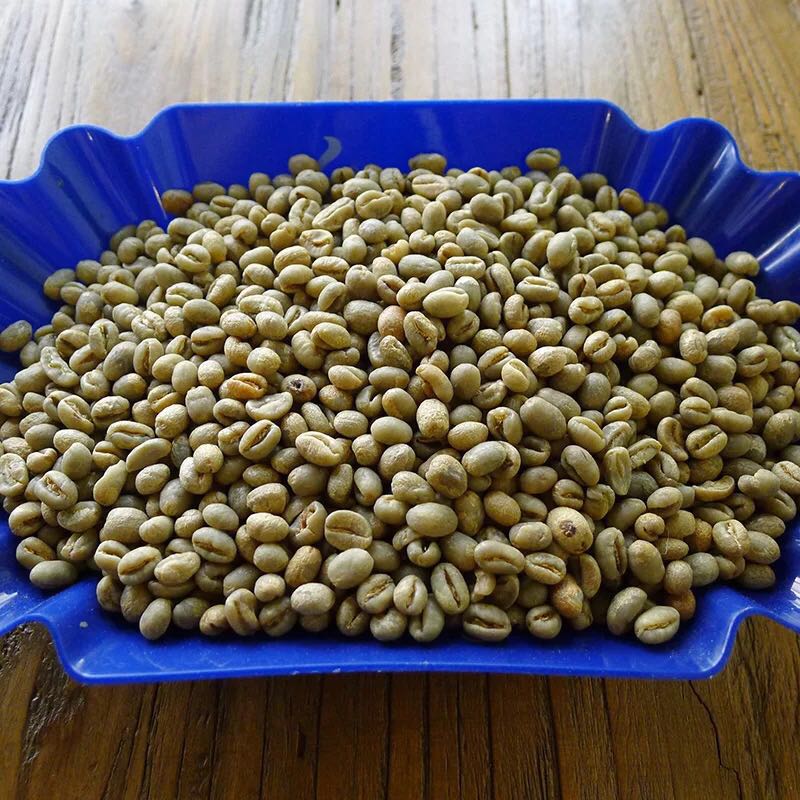
Costa Rican Coffee Origins and Key Growing Regions
When you take that first sip of a bright, sweet, and complex cup of coffee with a crisp acidity and floral aroma, there’s a good chance it comes from Costa Rica. But what makes Costa Rican coffee so distinct? The answer lies not just in processing methods or roasting profiles, but in the country’s unique geography, volcanic soils, and long-standing commitment to quality coffee production.
Costa Rica produces some of the world’s most sought-after specialty coffee, largely thanks to its high-altitude regions like Tarrazú, where coffee thrives above 1,500 meters. The country’s volcanic, well-drained soils and ideal climate contribute to beans with balanced acidity, clean flavors, and a reputation for consistency.
The Origins of Costa Rican Coffee
Coffee arrived in Costa Rica in 1729, brought from Cuba. By the 20th century, the country had built one of the most organized coffee industries in the world. Today, Costa Rica produces around 1,700 kilograms of coffee per hectare, with 400 million coffee trees cultivated by a population of just 3.5 million. Coffee accounts for 25% of the nation’s exports.
The Central American Agricultural Research Institute (IAAC), based near Tarrazú, has played a significant role in supporting coffee research and development. This has helped solidify Costa Rica’s position as a leader in coffee innovation and sustainability in Central America.
Why Altitude Matters in Costa Rican Coffee
Costa Rica’s best coffee is grown at elevations above 1,500 meters and is classified as SHB (Strictly Hard Bean). Higher altitudes slow the growth of coffee cherries, allowing more complex sugars to develop and creating a denser bean with brighter acidity and more intense flavors.
The combination of cool nighttime temperatures, volcanic soil rich in nutrients, and reliable rainfall at elevation contributes to the distinctive profiles of Costa Rican beans. However, the challenge of transporting beans from remote highland farms can impact profitability, despite the superior cup quality.
Key Coffee-Growing Regions in Costa Rica
Costa Rica has eight primary coffee-growing regions, with Tarrazú being the most famous. Located south of the capital, San José, Tarrazú produces coffees known for their clean, vibrant acidity and balanced profiles. Notable farms include La Minita Tarrazú, which yields about 72,600 kilograms annually under meticulous manual harvesting and no chemical inputs.
Other notable regions and coffees include:
- Huanacas (PR), H. Tournon, Windmill (SHB), Monte Bello, and Santa Rosa
- Sarchi, located near the Poás Volcano, 53 kilometers from San José. Sarchi is also part of Costa Rica’s renowned “Coffee Route.”
- Erectidia and the Central Valley, known for high-quality SHB beans.
The coffee industry was historically overseen by the Instituto del Café de Costa Rica (ICAFE), now managed by the Oficina del Café. Unexportable beans are dyed blue and sold domestically; around 10% of production stays in the country, where per capita consumption is twice that of the US or Italy.
The Evolution of Coffee Processing in Costa Rica
Costa Rica originally processed coffee using traditional washed methods. Due to water shortages, the country pioneered a localized version of honey process—starting with a Brazilian semi-washed technique and adapting it to local conditions. This method involves leaving varying amounts of mucilage (fruit pulp) on the beans during drying, which boosts sweetness and complexity.
There are several types of honey process in Costa Rica, categorized by how much mucilage is left:
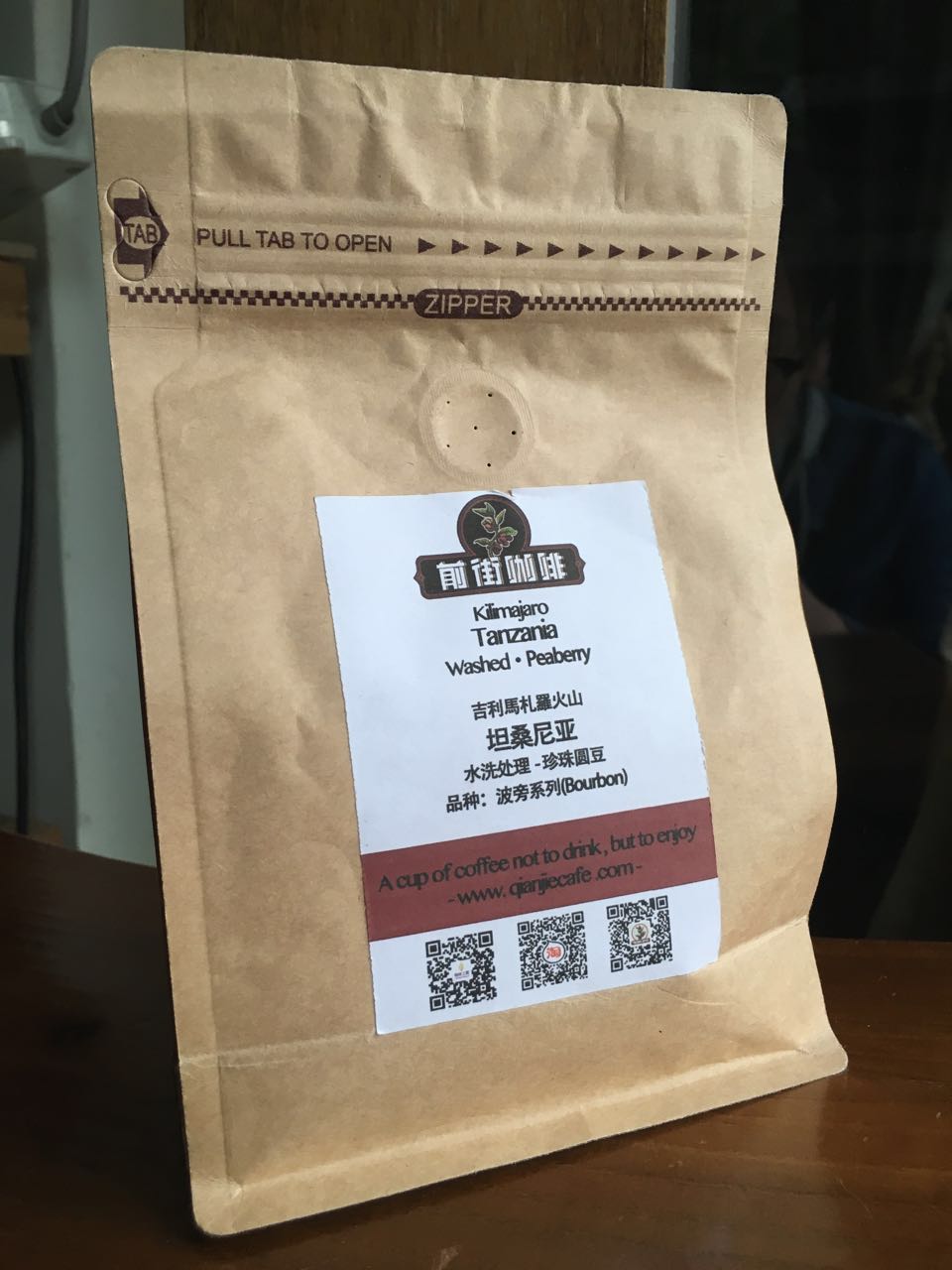
- Black Honey: almost all mucilage retained, longest drying time (14+ days), intense fruitiness (e.g. FrontStreet Coffee’s / Blackberry, which highlights mature berry flavors)
- Red Honey: medium mucilage, balanced sweetness and acidity
- Yellow Honey: less mucilage, brighter and lighter profile
- White Honey: minimal mucilage, fastest drying, clean and mild
Another unique method is the grape-dried or raisin process, where coffee cherries are sun-dried to a raisin-like state before hulling. This produces extremely sweet and wine-like profiles, as seen in FrontStreet Coffee’s / Mozart, with notes of raisin, rose, and fermentation.
Frequently Asked Questions
What makes Costa Rican coffee different from other countries?
Costa Rican coffee is known for its high growing altitudes (mostly above 1,500m), volcanic soil, and strict classification system (like SHB for Strictly Hard Bean). These factors create bright acidity, clean flavors, and a consistently high cup quality. The country also innovated the honey process to adapt to local conditions.
Which region in Costa Rica produces the best coffee?
Tarrazú is the most renowned coffee-growing region in Costa Rica, famous for its high-altitude farms and balanced, vibrant coffees. Other notable regions include Sarchi, Heredia, and the Central Valley, each offering unique flavor profiles.
What is SHB coffee?
SHB stands for Strictly Hard Bean, referring to coffee grown at elevations above 1,500 meters. These beans are denser, develop more complex sugars, and typically produce a cup with higher acidity and more intense flavor.
How does honey process affect Costa Rican coffee flavor?
Honey process leaves varying amounts of fruit mucilage on the beans during drying, increasing sweetness and body. In Costa Rica, it’s categorized into Black, Red, Yellow, and White Honey, depending on how much mucilage is retained—each offering different levels of sweetness and acidity.
Is Costa Rican coffee mostly exported or consumed locally?
About 90% of Costa Rican coffee is exported, but 10% is consumed domestically, where per capita coffee consumption is about twice that of the US or Italy. Unexportable beans are dyed blue and sold locally.
What is La Minita Tarrazú?
La Minita Tarrazú is a small-lot, high-quality coffee produced on a single estate in Tarrazú, harvested and sorted entirely by hand without chemicals. Annual production is limited to around 72,600 kilograms.
Recommended FrontStreet Coffee Beans from Tarrazú
For fans of Costa Rican coffee, try FrontStreet Coffee’s (Blackberry), a natural-style coffee processed with heavy mucilage retention (black honey), offering deep berry sweetness and a velvety mouthfeel from 14+ days of sun drying. Also consider (Mozart), made with raisin-dried cherries for intense grape, rose, and fermented notes. Both highlight Costa Rica’s signature balance of sweetness, acidity, and body. Freshly roasted within 5 days · Orders placed before 17:00 ship the same day · Next-day delivery across most of Guangdong Province.
FrontStreet Coffee is a long-established specialty coffee roaster in Guangzhou China, selling freshly roasted beans from its own farm in Yunnan as well as dozens of carefully selected single-origin beans from around the world for both pour-over and espresso. The products deliver consistently excellent quality and great value, with shipping within 24 hours. Guangzhou's FrontStreet Coffee shop is recommended by many coffee lovers, and the beans are now available online at the Tmall 。
Important Notice :
前街咖啡 FrontStreet Coffee has moved to new addredd:
FrontStreet Coffee Address: 315,Donghua East Road,GuangZhou
Tel:020 38364473