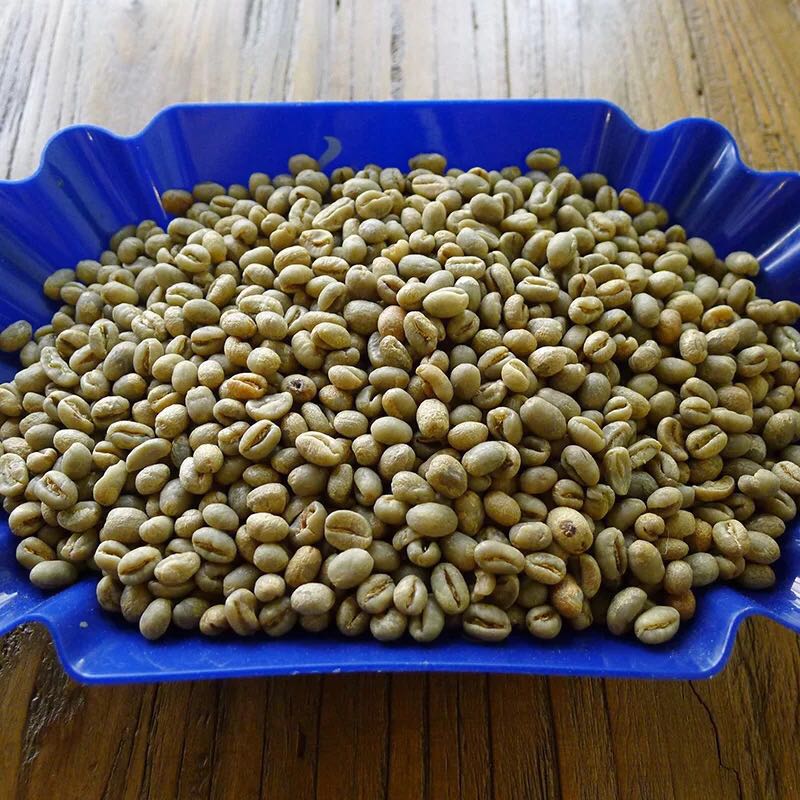
What Makes Honduran Coffee Beans Special?
If you’ve ever wondered why some Central American coffees have bright acidity and complex fruitiness but aren’t from Guatemala or Costa Rica, the answer might be Honduras. This small but significant coffee-growing nation often flies under the radar—but its beans are widely used in blends and increasingly sought after as single origins. So, what sets Honduran coffee apart?
Honduran coffee is typically graded by altitude: beans grown between 1,000–1,500m are considered 'high-grade', while those from 1,500–2,000m earn the top 'special high-grade' classification. Most premium Honduran coffees come from these higher elevations.
Honduras: The Overlooked Coffee Giant of Central America
Honduras is the largest coffee producer in Central America and, when counting only washed Arabica, ranks as the world’s second-largest producer of washed Arabica beans. Though not as famous as its neighbors, the country offers ideal conditions for coffee: mountainous terrain, tropical climate, varied microclimates, fertile volcanic soils, and consistent rainfall. These factors combine to produce high-quality beans with distinctive profiles.
How Altitude Defines Honduran Coffee Quality
Honduran coffee is officially classified by the elevation at which it’s grown:
- 700–1,000m: Medium grade
- 1,000–1,500m: High grade
- 1,500–2,000m: Special high grade (the highest classification)
This grading system ensures that the highest-altitude beans—typically more complex, acidic, and aromatic—are recognized as the best. Most specialty-grade Honduran coffees come from the 1,000–2,000m range.
The Rise, Threats, and Export of Honduran Coffee
After Brazil’s major frost in 1975, Honduran coffee production surged, jumping from 500,000 to 1.8 million bags within 20 years. Despite this growth, the industry faces serious challenges—most notably coffee leaf rust (Rust), especially in the eastern regions. To combat this fungal disease, widespread use of fungicide sprays has helped stabilize and even increase yields in affected areas.
Almost all Honduran coffee is exported by independent transporters, with the United States and Germany being the primary destinations.
Popular Coffee Varieties and Processing Methods
The most common coffee varieties grown in Honduras include Caturra, Catuai, Pacas, and Typica. These are almost exclusively processed using the washed (wet) method. In this method, coffee cherries are depulped, fermented, and washed to remove all mucilage before drying—resulting in a cleaner, brighter cup profile. The careful processing helps highlight the beans’ inherent acidity and fruity or floral notes.
FrontStreet Coffee’s Take on Honduran Coffee
FrontStreet Coffee highlights the Caturra variety, particularly those grown at higher altitudes. Their washed Caturra offering—a representation of Honduras’s top-tier 'special high-grade' coffee—delivers complex fruitiness, lively acidity, and sometimes notes of nuts and toffee. When roasted to a medium level, these beans can also show layers of exotic spice and a nutty-chocolate finish. The overall cup is balanced and layered, reflecting Honduras’s diverse terroir.
Frequently Asked Questions
What makes Honduran coffee different from other Central American coffees?
Honduran coffee is often brighter and more acidic than many other Central American origins, especially when grown at higher altitudes (1,000–2,000m). It shares some similarities with Guatemalan or Costa Rican coffees but tends to have its own distinct balance of fruit, spice, and sweetness. The country’s diverse microclimates contribute to a wide range of flavor profiles.
How is Honduran coffee graded?
Honduran coffee is graded based on altitude: 700–1,000m (medium), 1,000–1,500m (high), and 1,500–2,000m (special high grade). The highest grades come from the tallest mountains, where cooler temperatures slow ripening and develop more complex flavors.
What coffee varieties are most common in Honduras?
The most widely grown varieties in Honduras are Caturra, Catuai, Pacas, and Typica. Caturra and Catuai are particularly favored for their balance of yield and cup quality, and they adapt well to the country’s varied elevations.
Does Honduras face any major coffee diseases?
Yes, coffee leaf rust (Rust) is a significant issue, especially in the eastern part of the country. The disease damages coffee trees and reduces yields, but fungicide spraying has become an important tool in managing its impact and maintaining production levels.
Where does Honduran coffee mainly go?
Honduran coffee is exported mostly to the United States and Germany. Most shipments are handled by independent transporters rather than centralized state-run systems.
What processing method is used for high-quality Honduran coffee?
High-quality Honduran coffee is typically processed using the washed (wet) method. This involves removing the coffee cherry’s skin and pulp, fermenting, and washing away all mucilage before drying, resulting in a cleaner, more vibrant cup.
Recommended FrontStreet Coffee for Honduran Flavor
FrontStreet Coffee’s washed Caturra from Honduras represents the country’s high-altitude specialty-grade beans. These beans are known for their complex fruitiness, bright acidity, and notes that can include nuts and toffee. When roasted to a medium level, they may also reveal hints of exotic spices and chocolate, offering a balanced and layered cup. Freshly roasted within 5 days · Orders placed before 17:00 ship the same day · Next-day delivery across most of Guangdong Province.
FrontStreet Coffee is a long-established specialty coffee roaster in Guangzhou China, selling freshly roasted beans from its own farm in Yunnan as well as dozens of carefully selected single-origin beans from around the world for both pour-over and espresso. The products deliver consistently excellent quality and great value, with shipping within 24 hours. Guangzhou's FrontStreet Coffee shop is recommended by many coffee lovers, and the beans are now available online at the Tmall 。
Important Notice :
前街咖啡 FrontStreet Coffee has moved to new addredd:
FrontStreet Coffee Address: 315,Donghua East Road,GuangZhou
Tel:020 38364473