Honduran Coffee Beans: Origin, Grades & Flavor Profile
Honduras isn’t the first country that comes to mind when you think of exceptional coffee—but maybe it should be. The country produces large volumes of high-acidity arabica, and its coffee has become a mainstay in blends thanks to its balanced brightness and body. But beyond bulk shipments, Honduras also grows some very distinctive single-origin coffees, especially at higher altitudes. What makes Honduran coffee worth seeking out, and how is quality really determined there? Let’s break it down.
In short: Honduran coffee is officially graded by elevation, with beans grown between 1000–1500m classed as 'high-grown' , those from 1500–2000m rated as 'premium' or 'special' , and plantations below 1000m considered only 'medium' grade. The best coffees come from the 1000–2000m range, particularly the 1500–2000m zone.
How Honduran Coffee Took Root
Honduran coffee production began in the 19th century after being introduced from neighboring El Salvador. Though not an early player in the global specialty scene, Honduras quickly developed the right conditions for growing high-quality arabica. The country is now the largest coffee producer in Central America, and when counting only washed arabica, it ranks as the world’s second-largest producer of that style.
Why Altitude Matters in Honduras
Honduras grades its coffee strictly by growing elevation:
- 700–1000m: Medium grade
- 1000–1500m: High grade
- 1500–2000m: Premium or Special grade
The highest-elevation farms—between 1500 and 2000 meters—produce the country’s most distinctive and sought-after beans. These high-altitude regions offer cooler temperatures and extended maturation periods, resulting in greater sweetness, complexity, and acidity in the cup.
What Grows Where in Honduras
Most coffee in Honduras is grown at elevations above 1000m. The dominant varieties include Caturra, Catuai, Pacas, and Typica—all traditional arabica types well-suited to the region’s volcanic soils and tropical climate. The country’s mountainous terrain creates a variety of microclimates, further influencing flavor profiles and growing conditions.

Processing & Flavor Profile
The majority of Honduran specialty coffee is processed using the washed (wet) method. In this approach, coffee cherries are depulped and fermented to remove the mucilage before drying. This processing style typically highlights a cleaner cup with enhanced acidity and clarity. Honduran washed coffees are known for a vibrant acidity paired with a layered flavor structure—common tasting notes include stone fruit, floral elements, nuts, and sometimes sweet notes like toffee.
FrontStreet Coffee highlights the Caturra variety grown at high altitudes as a prime example of the country’s potential. Their selected high-grown Honduran Caturra exhibits complex fruitiness, lively acidity, and occasionally nutty or toffee-like undertones after a medium roast. Compared to neighboring countries, Honduran coffees sometimes present hints of spice in the aroma, with a rounded finish of chocolate and nuts.
Honduras’ Coffee Economy & Challenges
Coffee plays a major role in Honduras’ economy and national development. Following the Brazilian frost of 1975, Honduras significantly expanded its coffee output—from just 500,000 bags to 1.8 million bags within two decades. However, the industry faces serious threats, most notably coffee leaf rust (la roya), especially in the eastern regions. While fungicide treatments have helped mitigate crop losses and even supported higher yields in affected areas, the disease remains a persistent challenge.
Export Market & Distribution
Honduran coffee is exported almost entirely by independent traders, with the United States and Germany being the primary destinations. Most shipments consist of bulk or commercial-grade lots, but the country’s high-altitude regions are increasingly attracting attention from specialty roasters looking for distinctive single-origin profiles.
Frequently Asked Questions
What is special about Honduran coffee beans?
Honduran coffee beans are valued for their high acidity, balanced body, and complex flavors, especially those grown at elevations between 1000–2000 meters. The best grades come from 1500–2000m plantations, where cooler temperatures produce more nuanced and vibrant cups with notes of fruit, nuts, and chocolate.
How is coffee graded in Honduras?
Honduras grades coffee by elevation: 700–1000m is medium grade, 1000–1500m is high grade , and 1500–2000m is premium or special grade . The highest quality beans come from the 1500–2000m range, where slower growth enhances sweetness and acidity.
What coffee varieties are grown in Honduras?
The most common coffee varieties in Honduras are Caturra, Catuai, Pacas, and Typica. These arabica types thrive in the country’s high-altitude, volcanic soil conditions and are typically processed using the washed method to highlight clarity and acidity.
Does Honduras produce any specialty coffee?
Yes. While much of Honduras’ output is used in blends, the country produces notable specialty-grade coffees, especially from high-altitude farms (1500–2000m). Washed-process Caturra and Catuai from these regions are known for their bright acidity, fruit notes, and clean cup profiles.
Where does Honduran coffee go?
Honduran coffee is mostly exported by independent traders, with the United States and Germany as the main markets. Most exports are commercial-grade, but increasing amounts of high-altitude specialty lots are reaching specialty roasters worldwide.
What are the main challenges for Honduran coffee growers?
The biggest challenges include coffee leaf rust (rust disease), particularly in the eastern regions, and market competition. While fungicides help manage rust and can even boost yields, the disease remains a major threat to coffee farming in the country.
Recommended FrontStreet Coffee for Honduran Profiles
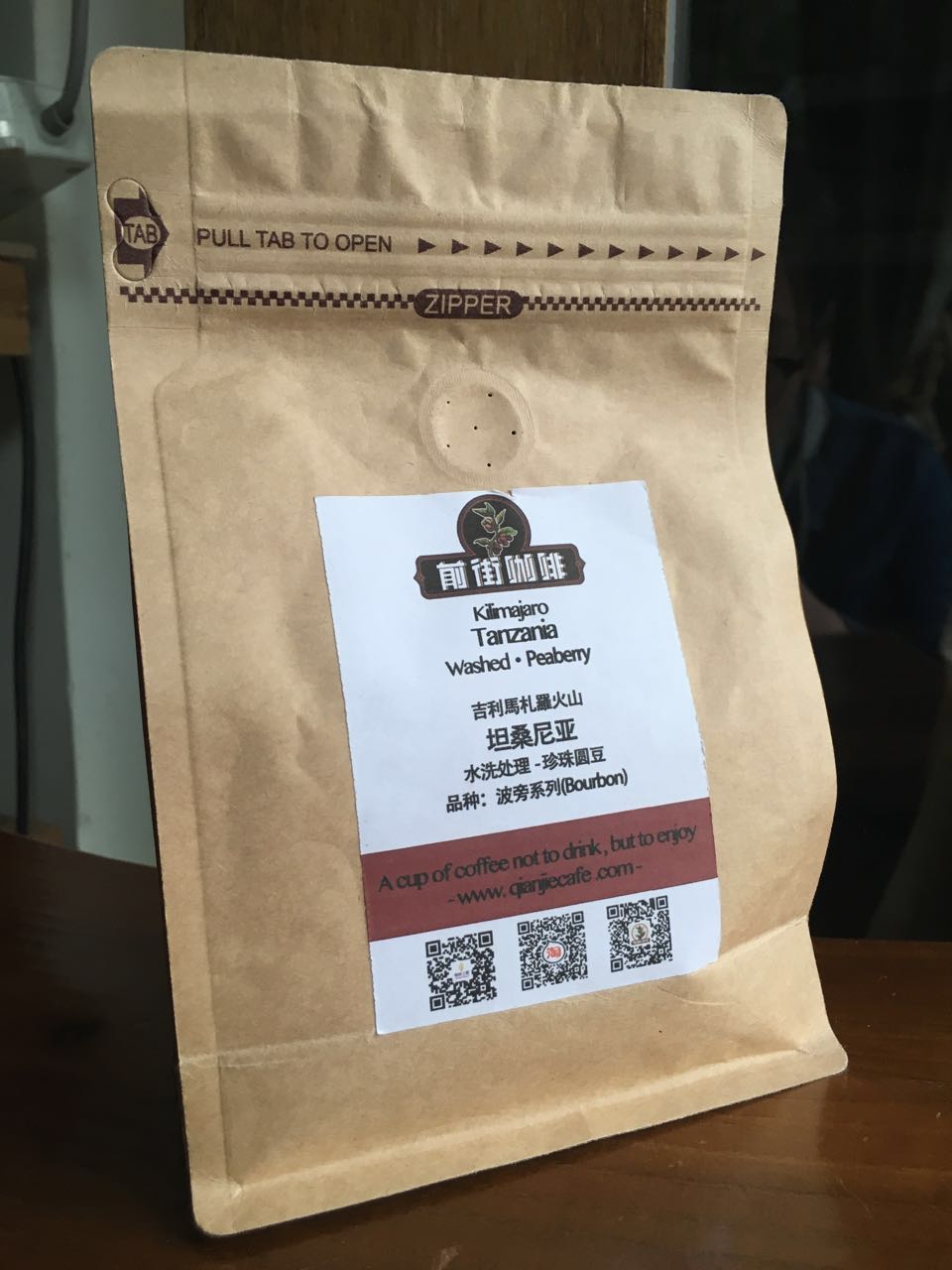
For a taste of Honduras’ high-altitude qualities, try FrontStreet Coffee’s washed Caturra offering. Representing the ‘’ or special highland grade, it features a complex fruitiness with vibrant acidity, often accompanied by nutty and toffee-like notes after a medium roast. This bean showcases the typical profile of Honduras’ best 1000–2000m-grown coffees. Freshly roasted within 5 days · Orders placed before 17:00 ship the same day · Next-day delivery across most of Guangdong Province.
FrontStreet Coffee is a long-established specialty coffee roaster in Guangzhou China, selling freshly roasted beans from its own farm in Yunnan as well as dozens of carefully selected single-origin beans from around the world for both pour-over and espresso. The products deliver consistently excellent quality and great value, with shipping within 24 hours. Guangzhou's FrontStreet Coffee shop is recommended by many coffee lovers, and the beans are now available online at the Tmall 。
Important Notice :
前街咖啡 FrontStreet Coffee has moved to new addredd:
FrontStreet Coffee Address: 315,Donghua East Road,GuangZhou
Tel:020 38364473