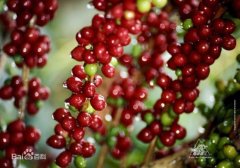
What Makes Colombian Coffee Beans Unique?
If you’ve ever sipped a smooth, well-rounded cup of coffee with bright acidity and a silky body, chances are it was Colombian. But what exactly makes Colombian coffee so consistently balanced and widely loved? The answer lies in the country’s unique geography, strict quality controls, and long-standing traditions in coffee cultivation.
Colombia is the second-largest producer of arabica coffee globally, harvesting around 13 million 60kg bags annually. Its coffee is prized for its balanced flavor, washed processing, and high-altitude growing conditions—key traits that set it apart from other origins.
A Brief History of Coffee in Colombia
Coffee arrived in Colombia in 1808, brought by a priest traveling from the French Antilles via Venezuela. Over the next two centuries, it became the country’s most important agricultural export. By the early 20th century, Colombia had firmly established itself as a leading global coffee supplier—not just in volume, but in reputation for quality.
Why Colombia’s Geography Produces Great Coffee
Colombia’s coffee thrives thanks to its location along the Andes Mountains, which split into three parallel cordilleras running north to south. These mountain ranges create a patchwork of microclimates, allowing coffee to be harvested year-round as different elevations mature at different times. Unlike Brazil, Colombia is largely free from frost, which protects crops and preserves quality. The country’s coffee regions enjoy mild temperatures, high humidity, and just the right amount of shade and sun—ideal for slow cherry maturation and complex flavor development.
Most of Colombia’s 2.7 billion coffee trees grow at altitudes between 800 and 2,300 meters, with around 66% cultivated on modern farms and the rest on smaller, traditional plots. This mix helps maintain both volume and quality across the board.
The Role of the Federación Nacional de Cafeteros (FNC)
Since 1927, the Colombian coffee industry has been supported by the Federación Nacional de Cafeteros (FNC), a private organization that acts on behalf of the government to maintain quality and market the country’s beans worldwide. The FNC funds research, provides technical support, builds infrastructure, and ensures a minimum export price. It also markets Colombian coffee internationally under the iconic Juan Valdez branding. Notably, the FNC manages roughly half of all Colombian coffee exports directly and sets strict quality standards that have helped the country earn a reputation for reliability and excellence.
The FNC also established the country’s coffee classification system, which includes Supremo (the highest grade), Excelso, and UGQ (Unusual Good Quality). Supremo beans are larger and typically sourced from the freshest harvests, contributing to a more consistent cup. Excelso beans are slightly smaller and often have a softer acidity, though both grades are known for their balance and aromatic complexity.
Top Coffee-Growing Regions in Colombia
Colombia’s coffee regions are divided into three main zones: northern, central, and eastern. The most famous producing areas lie along the central and eastern cordilleras. The “MAM” region—comprising Medellín, Armenia, and Manizales—is especially renowned. Among these, Medellín beans are considered the highest in quality, offering full body, rich flavor, moderate acidity, and intense aromatics. The eastern region, including areas near Bogotá and Bucaramanga, produces coffee with lower acidity but equally impressive balance. In recent years, southern regions like Huila have risen in prominence, particularly for specialty lots with vibrant fruit and floral notes.
Colombia benefits from both Atlantic and Pacific coast access, reducing shipping costs and supporting its role as a leading exporter of washed arabica beans. The country sends around 25% of its coffee to Germany, with additional significant volumes going to Scandinavia and North America. Key commercial grades like Klauss and Europa are tailored for European markets, further underscoring Colombia’s global export strategy.
Processing and Roast Traditions
The vast majority of Colombian coffee is processed using the washed (wet) method, which enhances clarity and acidity while ensuring a clean cup profile. This focus on washed processing contributes to the country’s signature balance and smoothness. Traditionally, many Colombian coffees were dark roasted to produce a bold, classic profile suited for espresso blends. However, the rise of specialty coffee has highlighted the virtues of lighter roasts that preserve the origin’s inherent fruit, floral, and caramel characteristics.
Modern Colombian single origins often feature profiles such as chocolate, caramel, nuts, citrus, and tropical fruits—especially in high-altitude lots from regions like Huila. These coffees shine in pour-over, French press, and espresso preparations, offering both versatility and distinct regional identities.
Challenges and the Future of Colombian Coffee
Colombian coffee growers face ongoing challenges, including fluctuating global prices and debates over varietal selection. Some farmers are considering replacing traditional Bourbon trees with higher-yielding, faster-growing arabica varieties. While these newer cultivars may offer productivity gains, there are concerns about potential impacts on cup quality—though many experts argue that in Colombia’s ideal growing conditions, the difference may be minimal when managed well.
Despite these pressures, Colombia remains committed to quality and sustainability. The FNC continues to invest in research, farmer training, and infrastructure to ensure the long-term viability of its coffee sector. As global demand for specialty coffee grows, Colombia’s emphasis on high-altitude growing, careful processing, and rigorous quality control positions it strongly for the future.
Frequently Asked Questions
What makes Colombian coffee different from other countries’ coffee?
Colombian coffee is primarily high-quality arabica, known for its balanced flavor, medium acidity, and smooth, creamy body. It is almost always washed processed, which contributes to its clarity and consistency. The country’s mountainous geography allows for year-round harvesting and diverse microclimates, which help develop complex flavors.
What are the main coffee-growing regions in Colombia?
The key regions are grouped into three zones: northern, central, and eastern. The “MAM” region (Medellín, Armenia, Manizales) is most famous for high-quality beans, with Medellín producing the most sought-after cups. Other notable areas include Bogotá, Bucaramanga, and increasingly Huila in the south, known for specialty lots with fruit-forward profiles.
What coffee grades does Colombia use?
Colombia classifies its coffee into Supremo (highest grade, larger beans), Excelso (slightly smaller, softer acidity), and UGQ (Unusual Good Quality). These grades help ensure consistency and quality in both domestic and export markets.
How has the FNC influenced Colombia’s coffee industry?
The Federación Nacional de Cafeteros (FNC), founded in 1927, manages quality standards, export logistics, farmer support, and global marketing. It plays a central role in maintaining Colombia’s reputation for reliable, high-quality coffee and funds initiatives from research to infrastructure.
Is Colombian coffee usually light, medium, or dark roasted?
Traditionally, Colombian coffee was dark roasted for bold blends, but today it is often enjoyed as a single origin at light to medium roasts to highlight its natural sweetness, acidity, and fruitiness. Many specialty roasters prefer lighter roasts to showcase regional terroir.
What is the FNC and why is it important?
The FNC is Colombia’s national coffee growers’ federation. It acts as both a governing body and promoter, setting quality benchmarks, stabilizing farmer incomes, funding research, and marketing Colombian coffee globally—most famously through the Juan Valdez brand.
Recommended FrontStreet Coffee for Colombian Profiles
For classic Colombian character, try FrontStreet’s Colombian beans sourced from Huila, featuring notes of chocolate, hazelnut, and caramel thanks to the washed process and medium-high altitude. For fruitier, more modern profiles, look to their Sidra and Huila offerings, which showcase vibrant floral and citrus notes ideal for pour-over or espresso. Freshly roasted within 5 days · Orders placed before 17:00 ship the same day · Next-day delivery across most of Guangdong Province.
FrontStreet Coffee is a long-established specialty coffee roaster in Guangzhou China, selling freshly roasted beans from its own farm in Yunnan as well as dozens of carefully selected single-origin beans from around the world for both pour-over and espresso. The products deliver consistently excellent quality and great value, with shipping within 24 hours. Guangzhou's FrontStreet Coffee shop is recommended by many coffee lovers, and the beans are now available online at the Tmall 。
Important Notice :
前街咖啡 FrontStreet Coffee has moved to new addredd:
FrontStreet Coffee Address: 315,Donghua East Road,GuangZhou
Tel:020 38364473