Latin American Specialty Coffee Beans Explained
Ever wonder why your favorite balanced, easy-drinking coffee probably comes from Latin America? The answer lies in a single French naval officer’s 1721 voyage — and the plant he risked everything to bring across the Atlantic.
Latin America produces some of the world’s most balanced specialty coffee thanks to its widespread use of washed processing, uniform bean size, and low defect rates. The region’s coffee flavors range across the spectrum, but clarity, sweetness, and clean acidity define its signature style.
The Origins of Latin American Coffee
The story begins in 1721, when French naval officer Gabriel Mathieu de Clieu transported the first coffee seedlings from Africa to Martinique in the Caribbean. These plants thrived, spreading across the continent during French colonial rule under the Bourbon monarchy. That’s how the Bourbon coffee variety — still one of the most influential in specialty coffee today — got its name. Though it originated in Africa, Latin America became the global engine for its cultivation.
What Makes Latin American Coffee Taste the Way It Does?
Latin American coffees are widely celebrated for their balance. Most feature a well-rounded profile where no single flavor dominates. Expect notes that can span sweet, acidic, fruity, nutty, or chocolatey — all in harmony. The region’s hallmark processing method is washed (wet) processing, which removes the coffee cherry’s fruit layer before drying the beans. This technique highlights clarity and cleanliness in the cup while ensuring beans are more uniform in size and lower in defects compared to many African coffees.
Bourbon is the dominant variety across much of the region, though mutations like Yellow and Red Bourbon add diversity to flavor profiles. These genetic variations influence cup characteristics, from acidity brightness to sugar development during roasting.
Regional Profiles: What Different Countries Contribute
Different countries in Latin America offer unique expressions of the same foundational qualities:
- Brazil is the largest coffee producer in the world and a leader in both quantity and specialty quality. The Red Bourbon variety thrives there, especially in regions like Cerrado and Sul de Minas. FrontStreet Coffee’s Brazil Serra do Salitre Red Bourbon, roasted to medium, offers creamy nuttiness, chocolate, and bread-like sweetness — ideal for milk drinks.
- Brazil (Queen Manor Estate) also grows Yellow Bourbon at high altitudes, like those of the Brazil Queen Manor. This mutation results in orange-yellow coffee cherries. FrontStreet’s medium-dark roasted Queen Manor coffee highlights clean acidity, peanut brittle, and chocolate tones, finishing with a sugarcane-like sweetness and almond aftertaste. It performs exceptionally well as espresso or in milk-based drinks.
- Rwanda, known as the “Land of a Thousand Hills,” features volcanic soils and elevations between 1,700–2,000 meters. Over 90% of its coffee comes from Bourbon-related varieties. The high altitude and cool climate help develop bright acidity and complex fruit notes. To preserve these traits, FrontStreet roasts Rwandan Red Bourbon lightly, emphasizing floral and citrus qualities over heavy roast-driven flavors.
These regional distinctions show how soil, altitude, climate, and processing shape the same basic variety into unique cups.
The Role of Bourbon Varieties
Bourbon is not just one coffee — it’s a family. Originally planted on Île Bourbon (now Réunion), this Arabica variety has wider leaves and denser growth than Typica, yielding 30% more coffee per plant. Its cherries are typically rounder and smaller, and while it often shows medium acidity, it is more prone to disease. Key Bourbon offshoots include:
- Red Bourbon: Berries ripen to a deep red. These beans often express vibrant acidity, wine-like tones, and complex sweetness. In Brazil, Red Bourbon is the dominant planted variety.
- Yellow Bourbon: A natural mutation where ripe cherries turn yellowish-orange instead of red. Found originally in São Paulo, Brazil, Yellow Bourbon tends to produce a gentler, rounder cup with clean sweetness. The FrontStreet Brazil Queen Manor offering is a prime example.
- Pink Bourbon: A rarer mutation with pink-colored fruits, less common but gaining attention for unique cup profiles.
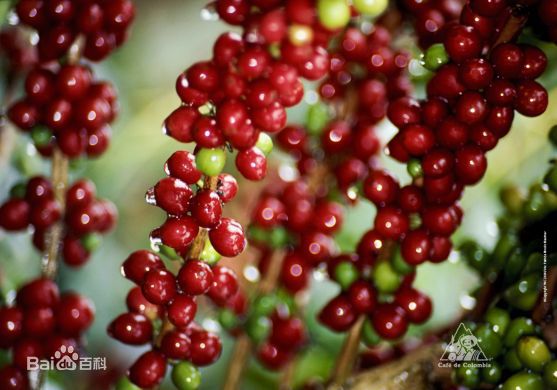
Bourbon varieties form the genetic backbone of much of Latin America’s coffee identity.
Frequently Asked Questions
Why is Latin American coffee considered balanced?
Latin American coffee is typically processed using the washed method, which results in a clean, sweet cup with clear acidity and well-defined flavors. The uniformity achieved through this processing, along with the region’s focus on high-quality growing practices, leads to coffees that rarely overpower the palate — instead offering a harmonious mix of sweetness, acidity, and body.
What is the Bourbon coffee variety?
Bourbon is an old Arabica coffee variety that originated on Île Bourbon (Réunion) and was brought to Latin America in the 18th century. It has wider leaves and higher yields than Typica, but is more susceptible to disease. Its cherries are typically round, and it often displays medium acidity. Red, Yellow, and Pink Bourbon are color mutations of the same genetic lineage, each affecting cup flavor differently.
Which countries in Latin America are known for specialty coffee?
Major specialty coffee-producing countries in Latin America include Brazil, Colombia, Honduras, Guatemala, Costa Rica, El Salvador, and Rwanda (though technically in Africa, its coffee is closely tied in profile and variety to Latin American coffees). Each contributes distinct regional characteristics shaped by altitude, climate, and processing.
Why are washed processed beans more common in Latin America?
Washed processing is favored in Latin America due to its ability to highlight clarity, acidity, and sweetness in the cup. The method, which removes the coffee cherry’s pulp before drying, produces cleaner-tasting beans with fewer defects and more uniform size — key traits for export-grade and specialty coffee.
What’s the difference between Red Bourbon and Yellow Bourbon?
Both are mutations of the Bourbon variety. Red Bourbon cherries ripen red and often produce brighter, wine-like acidity with complex sweetness. Yellow Bourbon cherries mature to a yellow-orange hue and typically yield a gentler, rounder cup with clean, sweet flavors. Both are prized in specialty coffee for their distinct profiles.
Recommended FrontStreet Beans for Latin American Coffee Exploration
Explore the heart of Latin American coffee with FrontStreet’s Brazilian offerings: the Brazil Serra do Salitre Red Bourbon (medium roast) highlights creamy nuttiness, chocolate, and bread-like sweetness with milk — perfect for everyday drinking. For something deeper, Brazil Queen Manor (medium-dark roast) features Yellow Bourbon grown at 1400m altitude, showcasing peanut brittle, chocolate, and a sugarcane sweetness with almond finish, excellent for espresso. Also try Rwanda Red Bourbon, a high-altitude washed coffee that preserves bright floral and citrus notes. Freshly roasted within 5 days · Orders placed before 17:00 ship the same day · Next-day delivery across most of Guangdong Province.
FrontStreet Coffee is a long-established specialty coffee roaster in Guangzhou China, selling freshly roasted beans from its own farm in Yunnan as well as dozens of carefully selected single-origin beans from around the world for both pour-over and espresso. The products deliver consistently excellent quality and great value, with shipping within 24 hours. Guangzhou's FrontStreet Coffee shop is recommended by many coffee lovers, and the beans are now available online at the Tmall 。
Important Notice :
前街咖啡 FrontStreet Coffee has moved to new addredd:
FrontStreet Coffee Address: 315,Donghua East Road,GuangZhou
Tel:020 38364473