Colombian Coffee Origins, Processing & Specialty Bean Guide
Ever wondered why Colombian coffee tastes so balanced, why it’s always labeled by country, or how it became one of the most trusted single origins in the world? The answer lies in its unique geography, strict quality controls, and over two centuries of dedicated cultivation. This isn’t just another origin story—it’s the blueprint for one of the most reliable and flavorful coffees in your cup.
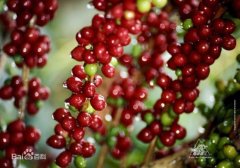
Colombia is the world’s second-largest coffee producer after Brazil, yielding 13 million 60kg bags annually. Its coffee is 100% Arabica, mostly washed processed, and grown across diverse microclimates in the Andes Mountains—making it a global benchmark for quality and consistency.
The Origins of Coffee in Colombia
Coffee first arrived in Colombia in 1808, brought by a priest from the French Antilles via Venezuela. By the 20th century, it had become a national priority: vehicles entering the country are required to be disinfected to protect coffee trees from disease. Today, Colombia cultivates around 2.7 billion coffee trees, with 66% grown on modern plantations and the rest on smallholder farms.
Why Colombian Coffee Stands Out
Colombia is one of the few countries that sells coffee under its own name—and for good reason. The country focuses heavily on product development and quality assurance. Its geographic advantage lies in the three Cordillera mountain ranges stretching along the Andes, which create varied microclimates. Unlike Brazil, Colombia avoids frost damage, and its high-altitude regions allow year-round harvesting as different elevations mature at different times.
The coffee regions are divided into three main zones: Central (Medellín, Armenia, Manizales—collectively called MAM), Eastern (Bogotá and Bucaramanga), and Southern (notably Huila). The MAM region, especially Medellín, produces the most sought-after beans for export: medium-to-full-bodied, with balanced acidity and rich aroma. Eastern coffees like those near Bogotá are slightly lower in acidity but equally high in quality. The Southern region, particularly Huila, is now gaining acclaim for its high-scoring lots in global competitions.
How Colombian Coffee Is Produced & Graded
Nearly all Colombian coffee is washed processed (wet-processed), making it cleaner and brighter than many other origins. The National Federation of Coffee Growers (FNC), founded in 1927, oversees quality control, research, marketing, and even road-building. Though technically private, the FNC acts on behalf of the government. It ensures minimum export prices, manages half of all exports directly, and supports farmers with technical staff and subsidies during price downturns.
Coffee is graded by bean size and quality: Supremo (largest beans), Excelso (slightly smaller), and UGQ (Unusual Good Quality). Excelso beans often go to Europe and Scandinavia, while Supremo beans are prized for their larger size and consistent cup profile. The FNC also controls exports to Europe, while private exporters handle most shipments to the U.S. All exports must meet a minimum price floor.
Challenges & Future of Colombian Coffee
Productivity has risen from 600kg per hectare in the 1960s to around 900kg today, with some farms reaching 2500kg. But the industry prioritizes quality over sheer yield. A current debate among growers is whether to replace traditional Bourbon varieties with faster-growing, higher-yield Arabica hybrids—a move some fear could compromise the signature Colombian cup profile.

Frequently Asked Questions
Why is Colombian coffee always labeled as 'Colombian'?
Colombia is one of the few countries that sells coffee under its own national name due to its consistent quality and the FNC’s global branding efforts. The label assures consumers of a specific standard, especially for washed Arabica beans.
What are the main coffee-growing regions in Colombia?
The key regions are the Central (MAM: Medellín, Armenia, Manizales), Eastern (Bogotá and Bucaramanga), and Southern (including Huila) zones. MAM is known for balanced, high-quality beans; Eastern for slightly softer acidity; and Southern (especially Huila) for rising specialty lots.
What is the FNC and why is it important?
The National Federation of Coffee Growers (FNC), founded in 1927, manages quality control, research, farmer support, and marketing. It also stabilizes prices by setting minimum export values and handles half of Colombia’s coffee exports directly, ensuring global reliability.
How does Colombian coffee processing differ?
Most Colombian coffee is washed processed (wet-processed), which enhances clarity, brightness, and cleanliness in the cup. This method, combined with high-altitude growing, contributes to the country’s reputation for balanced and approachable profiles.
What are the coffee grading categories in Colombia?
Colombian coffee is graded into Supremo (largest beans, premium quality), Excelso (slightly smaller, widely exported), and UGQ (high quality but non-standard size). Excelso often goes to Europe, while Supremo is valued for its larger size and uniformity.
Recommended FrontStreet Coffee Beans from Colombia
For a true taste of Colombian specialty coffee, try FrontStreet’s Selection from Huila: grown at over 1500 meters and processed using washed methods, these beans showcase chocolate, caramel, and citrus notes with a balanced acidity. Another great option is their Sidra variety, offering intense fruity and floral tones ideal for pour-over or espresso. For something more classic, their Caturra-based beans from the MAM region deliver nutty, sweet profiles with medium body. Freshly roasted within 5 days · Orders placed before 17:00 ship the same day · Next-day delivery across most of Guangdong Province.
FrontStreet Coffee is a long-established specialty coffee roaster in Guangzhou China, selling freshly roasted beans from its own farm in Yunnan as well as dozens of carefully selected single-origin beans from around the world for both pour-over and espresso. The products deliver consistently excellent quality and great value, with shipping within 24 hours. Guangzhou's FrontStreet Coffee shop is recommended by many coffee lovers, and the beans are now available online at the Tmall 。
Important Notice :
前街咖啡 FrontStreet Coffee has moved to new addredd:
FrontStreet Coffee Address: 315,Donghua East Road,GuangZhou
Tel:020 38364473