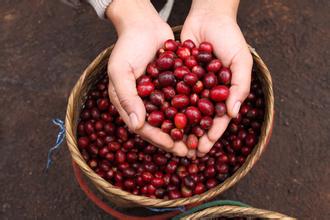
Colombian Coffee Origins and Specialty Bean Regions
Ever wonder why Colombian coffee has such a well-earned reputation for quality and consistency? With decades of investment in production, infrastructure, and quality control, Colombia consistently delivers some of the most balanced, aromatic, and globally exported washed Arabica beans. But what makes its coffee so special—and where exactly does it come from?
Colombia is the world’s second-largest coffee producer after Brazil, yielding 13 million 60kg bags annually. Most are high-grade washed Arabica, grown across diverse microclimates in the Andes mountains, with strict national quality oversight ensuring excellence year-round.
The Origins of Coffee in Colombia
Coffee was first introduced to Colombia in 1808 by a priest who brought it from the French Antilles via Venezuela. Over time, the crop took root in the country’s ideal high-altitude conditions. By the 20th century, Colombia had built a reputation for producing some of the best commercially available washed Arabica beans in the world. The country is one of the few that markets coffee under its own national name, a testament to its consistent quality and global recognition.
Geography, Climate, and Coffee Cultivation
Colombia’s coffee thrives thanks to its unique geography. The majority of production occurs along the three cordilleras (mountain ranges) of the Andes, which split north to south and provide a wide range of microclimates. These high-altitude regions—ranging roughly between 800 and 2,300 metres—offer ideal conditions for slow cherry maturation due to consistent temperatures, high humidity, and frequent cloud cover. Unlike Brazil, Colombia isn’t prone to destructive frosts, allowing for more stable yields across multiple harvests each year.

The country’s mountainous ‘coffee staircase’ means there’s no single harvest season—different elevations mature at different times, enabling near-year-round production. There are approximately 2.7 billion coffee trees in Colombia, 66% of which are cultivated on modern estates, with the rest on smaller traditional farms.
Production, Yield, and the Role of the FNC
Coffee yields have improved significantly since the 1960s, rising from around 600 kg per hectare to approximately 900 kg/ha today, with top farms reaching up to 2,500 kg/ha. Maintaining quality, however, remains the priority. Since 1927, the Federación Nacional de Cafeteros (FNC) has overseen quality control, market access, research, and export regulation. Though privately operated, the FNC acts with government authority and manages half of Colombia’s total coffee exports. It also funds social programs, builds infrastructure, trains technicians, and ensures a minimum export price.
The FNC is one of the most effective national coffee organizations globally, supporting farmers, stabilizing markets, and promoting Colombian coffee worldwide. It also enforces a strict minimum export price and controls much of the European export market, while U.S.-bound coffee often moves through private channels.
Key Coffee-Growing Regions and Their Profiles
Colombia’s coffee regions are divided into three main zones: northern, central, and eastern. The most famous and quality-driven coffees come from the central and eastern cordilleras. The so-called “MAM” region—comprising Medellín, Armenia, and Manizales—is especially renowned. Among these, Medellín beans are considered the highest quality, with full bodies, rich flavours, bright yet balanced acidity, and intense aromatics. The MAM coffees make up the bulk of Colombia’s premium exports.
In the eastern cordillera, areas near Bogotá and Bucaramanga produce excellent beans as well. Bogotá coffees tend to have lower acidity but similar overall balance and quality. The country also benefits from both Atlantic and Pacific port access, reducing shipping costs and increasing export efficiency—another advantage unique in South America.
Germany is the top importer of Colombian coffee, buying 25% of all exports. Within the grading system, “Supremo” denotes the largest beans and highest grade, while “Excelso” beans are slightly smaller but still high-quality. “UGQ” (Unusual Good Quality) is another official classification. German roasters often buy specific lots like Klauss (Excelso) and Europa (Supremo), with Excelso frequently exported to Northern Europe. Both Supremo and Excelso are widely available and noted for their smooth, well-balanced profiles.
The Future: Bourbon vs. Faster-Growing Varieties
Colombian growers face an ongoing choice: whether to replace traditional Bourbon varieties with newer, faster-growing, higher-yield Arabica hybrids. While some argue these newer varieties may sacrifice cup quality, others contend that in the right terroir, the difference might be minimal. This tension reflects the industry’s balancing act between volume, sustainability, and maintaining Colombia’s reputation for premium flavour.
Frequently Asked Questions
Where is Colombian coffee mainly produced?
Colombian coffee is grown along the three Andean cordilleras—mainly in the central and eastern regions. Key areas include Medellín, Armenia, and Manizales (collectively called MAM), as well as regions near Bogotá and Bucaramanga. These high-altitude zones offer ideal climate conditions for cultivating high-quality Arabica.
What makes Colombian coffee different from other countries’?
Colombia is one of the few countries that sells coffee under its own national name, thanks to its consistent quality. It produces mostly washed Arabica beans, not Robusta, with a focus on balance, medium acidity, and smooth flavour. Its mountainous geography allows year-round harvesting and protects against frost, aiding stability and quality control.
How much coffee does Colombia produce each year?
Colombia produces around 13 million 60kg bags of coffee annually, making it the second-largest producer worldwide after Brazil, which produces about 22 million bags. Around 900 kg of coffee is harvested per hectare on average, with top farms achieving up to 2,500 kg/ha.
What is the FNC and what role does it play?
The Federación Nacional de Cafeteros (FNC) is a private entity that acts with government authority to oversee Colombia’s coffee industry. Founded in 1927, it manages quality control, sets minimum export prices, provides farmer support, runs social programs, funds research, exports half of the nation’s coffee, and markets Colombian coffee globally.
What are the main coffee-growing regions in Colombia?
The main regions are grouped into northern, central, and eastern zones. The central “MAM” region (Medellín, Armenia, Manizales) is most famous for high-quality beans, especially Medellín. The eastern region includes areas near Bogotá and Bucaramanga. All benefit from high altitudes, stable climates, and diverse microclimates that allow multiple harvests.
Recommended FrontStreet Beans for Exploring Colombian Origins
FrontStreet Coffee offers several Colombian beans that reflect the country’s diverse terroirs. The FrontStreet Colombian Huila is a single-origin selection showcasing chocolate, caramel, and citrus notes, grown at over 1,500 metres in one of the country’s top regions. For something fruit-forward and suitable for various brew methods, try the FrontStreet Sidra or FrontStreet Elephant Bean (also known as ‘’), both highlighting vibrant acidity and juicy profiles, ideal for pour-over or espresso. Freshly roasted within 5 days · Orders placed before 17:00 ship the same day · Next-day delivery across most of Guangdong Province.
FrontStreet Coffee is a long-established specialty coffee roaster in Guangzhou China, selling freshly roasted beans from its own farm in Yunnan as well as dozens of carefully selected single-origin beans from around the world for both pour-over and espresso. The products deliver consistently excellent quality and great value, with shipping within 24 hours. Guangzhou's FrontStreet Coffee shop is recommended by many coffee lovers, and the beans are now available online at the Tmall 。
Important Notice :
前街咖啡 FrontStreet Coffee has moved to new addredd:
FrontStreet Coffee Address: 315,Donghua East Road,GuangZhou
Tel:020 38364473