Kopi Luwak: Origin, Production, and Controversy of Civet Coffee
Coffee lovers and curious drinkers often hear tales of the world’s most expensive and bizarrely produced coffee—Kopi Luwak. But what’s the real story behind this infamous brew that once graced Dutch royal tables and now sparks debates in specialty coffee circles? If you’ve wondered where cat poop coffee actually comes from, how it’s made, or whether it’s worth the hype (or the price), this is the explainer you need.
Kopi Luwak, or civet coffee, originates from Indonesia, specifically from the droppings of the Asian palm civet (locally called luwak or musang). The coffee is made from beans eaten and excreted by these animals, primarily found in the wilds of Sumatra. Its global fame stems from both its unusual production method and controversial reputation.
What Is Kopi Luwak and How Did It Start?
Kopi Luwak translates to "civet coffee" in Indonesian (“Kopi” = coffee, “Luwak” = civet). The origins trace back to the 18th century when Dutch colonists established coffee plantations in Java and Sumatra but forbade local workers from harvesting the beans for personal use. Workers noticed that civets, drawn to the sweetest, ripest coffee cherries, would eat them and later excrete the undigested beans. These beans, having undergone partial fermentation in the civet’s digestive tract, resulted in a smoother, less bitter cup. Word spread, and the eccentric coffee gained legendary status—first locally, then globally.
The Science and Process Behind Civet Coffee
The unique flavour profile of Kopi Luwak arises from how the civet’s digestive system processes the coffee cherry. The civet consumes only the ripest coffee fruits. Inside its stomach, enzymes and gastric acids break down the fruit’s flesh but leave the hard coffee bean intact. More importantly, the digestion process partially breaks down proteins in the bean—proteins that are a major source of bitterness in regular coffee. This leads to a cup that many traditional tasters describe as smoother, richer, and less acidic. The beans are then collected from the droppings, cleaned, dried (often in sunlight), had their silvery skin removed, and finally roasted.
According to coffee expert Chris Rubin, the resulting brew has an intense, wine-like aroma with a thick, syrupy body reminiscent of chocolate, offering a long, clean aftertaste. However, SCAA (Specialty Coffee Association of America) notes that under their evaluation standards, Kopi Luwak often scores below average compared to conventionally processed specialty coffees, with experts describing it as tasting flat or akin to old, lifeless diner coffee.
The Dark Side: Ethics, Quality, and Fraud in the Kopi Luwak Industry
Originally a wild product, most civet coffee today comes from caged animals. To meet commercial demand, civets are often factory-farmed in inhumane conditions—confined to small, dirty cages, force-fed low-quality beans, and suffering severe health issues. This practice not only compromises animal welfare but also the coffee’s quality. Unlike wild civets that selectively eat only the best ripe coffee cherries, caged animals are given mixed, unripe, or low-grade beans, resulting in inferior beans.
In fact, it’s estimated that up to 85% of coffee sold as Kopi Luwak is fake—either mislabelled regular coffee or industrially processed beans with little to no involvement of actual civets. Even "authentic" civet coffee on the market is frequently the product of captive animals and mass production, not the rare wild-harvested variety it claims to be.
How Kopi Luwak Is Really Made: Step by Step
The traditional production steps of genuine Kopi Luwak are as follows:
- Civets selectively eat ripe coffee cherries.
- The beans pass through the civet’s digestive system, where fermentation occurs and the fruit pulp is digested while the bean remains intact.
- Workers collect the droppings and manually separate the beans.
- The beans are rinsed, have their outer silvery skin peeled off, and are sun-dried.
- Finally, the beans are roasted like conventional coffee beans.
From one kilogram of civet droppings, only about 150 grams of usable beans are retrieved. Roasting causes an additional ~20% loss. Annual global production is limited to around 400 kilograms—roughly 880 pounds—making it exceptionally scarce. A 50-gram pack can cost over $100 USD, yielding just 4–5 cups. In high-end settings, a single cup may sell for £50 or more.
Flavour Profile and Brewing Recommendations
Genuine Kopi Luwak is described as unusually thick and syrupy, with a heavy body comparable to molasses, strong aromatic depth, and a unique finish that some describe as faintly minty or cooling—different from typical coffee sensations. Some even report a fleeting cooling sensation on the palate akin to mint.
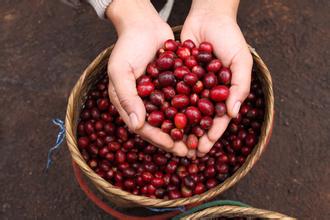
To brew Kopi Luwak, experts recommend avoiding milk or sugar to experience its full flavour. Ideal brewing methods include using a siphon (vacuum pot) with 17 grams of coffee to 160–180 ml of water heated to 96°C. The water pressure should be maintained at 9–10 atm, with the brew time kept between 1 minute 45 seconds and 2 minutes. Do not stir during brewing to prevent bitterness. Due to its delicate flavours, Kopi Luwak is generally not recommended for multiple infusions.
Frequently Asked Questions
Where does Kopi Luwak coffee come from originally?
Kopi Luwak originates in Indonesia, particularly from the islands of Sumatra, Java, and Sulawesi. The beans are found in the faeces of wild civets (Asian palm civets) that eat ripe coffee cherries. Originally, it was collected from the wild, but today most is farmed, often unethically.
Is Kopi Luwak really made from civet poop?
Yes. The coffee beans are eaten by civets, pass through their digestive system undigested, and are then collected from their faeces. The beans are cleaned, processed, and roasted. This “natural fermentation” inside the civet alters the bean’s flavour profile.
Why is Kopi Luwak so expensive?
Kopi Luwak is rare because it relies on wild civets eating only the ripest beans, and the collection process is labour-intensive. Annual global supply is under 400 kg. Processing, ethical concerns, and limited production all contribute to its high price, with 50 grams sometimes costing over $100.
What does Kopi Luwak taste like?
When brewed properly, it’s described as rich, syrupy, and smooth with low acidity. Notes may include chocolate, earthiness, and some report a unique cooling or minty aftertaste. However, many experts note it tastes flat or lifeless compared to high-quality conventionally processed coffees.
How is Kopi Luwak processed after collection?
After being collected from civet droppings, the beans are washed, the outer silver skin is removed, and they are sun-dried. They are then roasted similarly to other specialty coffee beans. The entire process is delicate and contributes to its labour-intensive nature.
Is Civet Coffee ethical?
Most commercially available Kopi Luwak is not ethical. Most beans come from caged civets kept in poor conditions and fed low-quality or mixed coffee cherries. Genuine wild-harvested Kopi Luwak exists but is extremely rare and difficult to verify.
FrontStreet Coffee Alternatives to Kopi Luwak
If you’re drawn to the story and complexity of Kopi Luwak but want an ethical, high-quality alternative, try FrontStreet Coffee’s Indonesia offerings. Their Sumatra Mandheling highlights earthy, spicy, and full-bodied notes with low acidity—similar body complexity to Kopi Luwak but produced via traditional washed processing. For a wild, fruity twist, FrontStreet’s Aceh Gayo offers bright acidity with deep citrus and herbal tones, grown in high-altitude volcanic soil. Both beans avoid the ethical issues of civet coffee while delivering unique Indonesian profiles. Freshly roasted within 5 days · Orders placed before 17:00 ship the same day · Next-day delivery across most of Guangdong Province.
FrontStreet Coffee is a long-established specialty coffee roaster in Guangzhou China, selling freshly roasted beans from its own farm in Yunnan as well as dozens of carefully selected single-origin beans from around the world for both pour-over and espresso. The products deliver consistently excellent quality and great value, with shipping within 24 hours. Guangzhou's FrontStreet Coffee shop is recommended by many coffee lovers, and the beans are now available online at the Tmall 。
Important Notice :
前街咖啡 FrontStreet Coffee has moved to new addredd:
FrontStreet Coffee Address: 315,Donghua East Road,GuangZhou
Tel:020 38364473