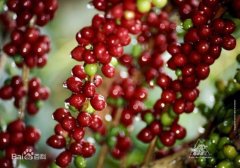
How Papua New Guinea Coffee Is Grown and Brewed
If you’ve ever bought a bag labeled ‘Papua New Guinea’ and been underwhelmed—or wondered why this island nation isn’t a bigger name in specialty coffee—you’re not alone. Despite ideal growing conditions and decades of production, PNG coffee suffers from inconsistent quality and outdated grading. So what’s really going on with these beans, and how can you get the good stuff?
Papua New Guinea produces mostly high-quality arabica, grown at 1300–1800 meters altitude. Around 75% comes from smallholder farms, many remote and forested. Most farms use traditional, low-input organic practices due to transport challenges. The result? Unique flavors shaped by elevation, typica lineage, and careful washing—but only when quality controls are in place.
The Origins of PNG Coffee Production
Coffee became a major part of Papua New Guinea’s economy in the mid-20th century. By 1990, annual production hit 1 million 60kg bags, employing over 1 million people directly and indirectly. The Coffee Industry Board, based in Goroka, oversees quality and policy, while private companies handle exports. Government support included minimum pricing and subsidies for new plantations—especially after Brazil’s 1975 frost opened global demand.
Quality Crisis and Recovery
Early PNG coffee fetched premium ‘Y’ Grade prices in Europe, but unchecked production growth after the 1970s led to inconsistent quality. By 1991, the Y Grade lost its reputation, damaged by mixed-quality lots and a flawed ‘one grade, one price’ policy. The government responded by dropping Y Grade, revising the classification system, and shifting to pricing based on actual quality. By 1993, most buyers returned as consistency improved—though Y Grade now sells at a slightly lower premium, reflecting its regained quality.
Growing Conditions and Farming Practices
PNG’s coffee thrives in highland environments: volcanic soils, high humidity, and elevations between 1200–2500 meters. Most farms are small and remote, often carved from forest with limited access. Transporting inputs like fertilizer or pesticides is difficult and expensive, so most farming is organic by necessity. Coffee is grown organically and shaded, with harvests occurring at elevations of 1300–1800 meters—the sweet spot for balanced acidity and body.

Varieties, Processing, and Flavor Profile
The dominant variety is Typica, originally brought from Jamaica’s Blue Mountain. The island’s similar altitude, rainfall, and climate helped Typica adapt quickly. Almost all PNG coffee is processed using traditional washed methods: hand-picked ripe cherries are fermented in clean water, washed, and dried on raised beds. This highlights bright acidity, medium body, and notes of nuts, stone fruit, and mild spice. Most exported lots fall into A or AB grades—A being more uniform in size and flavor, with lighter acidity and a lingering sweet finish.
What to Expect from PNG Coffee Grades
While AA is rare, A and AB grades dominate exports. A Grade beans are prized for their consistent size, mild acidity, and complex aftertaste. AB Grade offers more varied bean sizes but similar cup profiles. Both are typically washed Typica or Typica hybrids, grown above 1300m. The shift away from the old Y Grade system means buyers now pay for actual quality—but consistency still depends on farm-level sorting and processing.
Frequently Asked Questions
Where is Papua New Guinea coffee grown?
PNG coffee is grown on the eastern half of New Guinea Island, mainly at elevations between 1300 and 1800 meters. The highlands feature volcanic soils, high humidity, and cool temperatures—ideal for slow cherry development and complex flavors. Most farms are small, remote, and forested, often with limited infrastructure.
What coffee variety is most common in PNG?
The dominant variety is Typica, introduced from Jamaica’s Blue Mountain. The similar altitude, rainfall, and climate allowed it to thrive. Most PNG coffee is Typica or its hybrids, grown using traditional methods without heavy chemical input.
How is PNG coffee processed?
Nearly all commercial PNG coffee is processed using the washed method. Ripe cherries are hand-picked, fermented in water, washed clean, and dried on raised beds. This process highlights the beans’ natural acidity and clarity, resulting in a clean, bright cup.
Why did PNG coffee lose its reputation in the 1990s?
Uncontrolled production growth after the 1970s led to inconsistent quality. The government’s ‘one grade, one price’ policy meant low-quality beans diluted premium lots. By 1991, Y Grade lost its premium status. The issue was fixed by revising the grading system, dropping Y Grade temporarily, and pricing based on actual quality.
What does good PNG coffee taste like?
High-quality PNG coffee typically offers bright acidity, a medium body, and flavors of nuts, stone fruit, and mild spices. A Grade beans (the most consistent) have a lighter acidity and a sweet, lingering finish. Expect a clean, classic cup with distinct highland character.
Recommended FrontStreet Beans for Exploring PNG Flavors
Try FrontStreet’s (Bird of Paradise), a single-origin PNG from the Sigri Estate. It’s washed processed at high elevation and medium roasted to highlight nutty sweetness, baking spice, and a fruity brightness. The cup is balanced, with a syrupy body and a spicy finish—great for showing off PNG’s unique profile. Freshly roasted within 5 days · Orders placed before 17:00 ship the same day · Next-day delivery across most of Guangdong Province.
FrontStreet Coffee is a long-established specialty coffee roaster in Guangzhou China, selling freshly roasted beans from its own farm in Yunnan as well as dozens of carefully selected single-origin beans from around the world for both pour-over and espresso. The products deliver consistently excellent quality and great value, with shipping within 24 hours. Guangzhou's FrontStreet Coffee shop is recommended by many coffee lovers, and the beans are now available online at the Tmall 。
Important Notice :
前街咖啡 FrontStreet Coffee has moved to new addredd:
FrontStreet Coffee Address: 315,Donghua East Road,GuangZhou
Tel:020 38364473