Tanzania AA Kilimanjaro Coffee Explained
If you've tasted a Tanzania AA Kilimanjaro and found it too sharp or intense, you're not alone. Many coffee drinkers notice its pronounced acidity and rustic edge compared to other East African coffees. But what gives this coffee its wild personality? And why do some coffee lovers actively seek it out? This article explains the origins, processing, and flavor profile behind one of Africa’s most distinctive single-origin offerings.
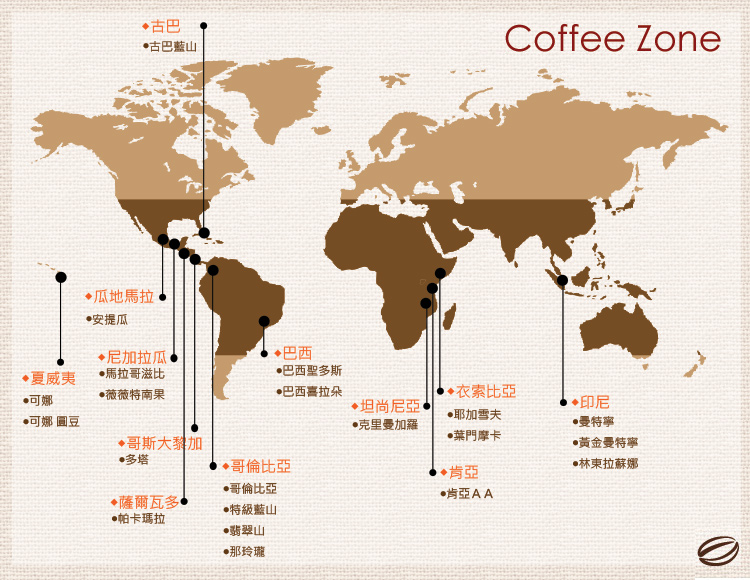
Tanzania AA Kilimanjaro is a high-altitude, washed coffee grown near Africa’s highest peak. It shares some traits with Kenyan coffee—like bright acidity—but tends to have a sharper, more intense bitterness and a wild, untamed cup character. It’s popular in Japan and the U.S., especially among those who enjoy high-acid coffees. However, its strong sourness can be polarizing.
What Is Tanzania AA Kilimanjaro Coffee?
Tanzania AA Kilimanjaro refers to high-grade coffee beans (AA being the highest grade in Tanzania) grown in the mountainous regions around Mount Kilimanjaro. These beans are classified as 'AA' based on bean size and quality screening. The name ties the coffee directly to Mount Kilimanjaro, an iconic volcano and one of the most prominent geographic features in East Africa.
Where Is Kilimanjaro Coffee Grown?
Kilimanjaro coffee is cultivated on the slopes of Mount Kilimanjaro, which rises dramatically from the East African plains to 5,895 meters (19,341 feet). Despite extreme heat at lower altitudes—where temperatures can reach 59°C (138°F)—the mountain’s summit is capped with glaciers, and some areas see year-round snow. The region is known as a “Equatorial Snow Peak.”
The coffee grows between 1,300 and 2,000 meters above sea level on volcanic soils that are rich in nutrients. The combination of altitude, cool temperatures, and volcanic earth creates ideal conditions for slow cherry maturation and dense bean development, both of which contribute to complex cup qualities.
How Is It Processed?
Most Tanzanian coffee, including Kilimanjaro beans, is processed using the washed (wet) method due to the region’s plentiful rainfall. Here’s how it works:
- Coffee cherries are handpicked and delivered to nearby washing stations.
- Fruits are sorted and depulped to remove the outer skin.
- The beans are then fermented and soaked to remove the mucilage.
- After washing, the beans are dried on raised beds under controlled conditions.
This meticulous washed process helps ensure a cleaner cup with minimal defects and highlights the inherent acidity and floral notes of the coffee.
Flavor Profile: What Does It Taste Like?
Tanzania AA Kilimanjaro typically presents a bright, intense cup. According to FrontStreet Coffee, when brewed as a single origin using a V60 pour-over at a medium-light roast level, expect the following flavors:
- Citrus (notably orange-like brightness)
- Nuts (such as almond or hazelnut)
- Honey-like sweetness
- Creamy mouthfeel
- Medium-high sweetness that emerges as the cup cools
The overall impression is one of high acidity with a bold, almost untamed bitterness. Some tasters detect a “wild” or rugged character. While this intensity appeals to acid-loving coffee enthusiasts, others may find the sourness overpowering.
Why Does It Taste Different From Other East African Coffees?
While similar in brightness to Kenyan coffees, Tanzania AA Kilimanjaro often has a sharper acidity and a more rustic bitterness. The difference comes down to terroir—specifically the unique combination of volcanic soil, elevation, and microclimate on the slopes of Kilimanjaro. Processing methods also play a role, though most East African coffees are washed, the local variations in technique and bean variety create distinct profiles.
Roasting and Brewing Tanzania AA Kilimanjaro
FrontStreet Coffee recommends a medium-light roast to highlight the coffee’s intrinsic sweetness, acidity, and floral notes. For best results using a V60 pour-over:
- Use a medium-fine grind size (similar to table salt).
- Brew with a 1:15 to 1:16 brew ratio.
- Use water at around 92–94°C (198–201°F).
- Incorporate a proper bloom phase to release gases and improve extraction.
This approach balances the coffee’s inherent tartness with its underlying sweetness and complexity.
Frequently Asked Questions
What does Tanzania AA Kilimanjaro coffee taste like?
Tanzania AA Kilimanjaro typically tastes bright and acidic with notes of citrus, nuts, honey, and cream. It has a medium-high sweetness that becomes more noticeable as the coffee cools, but also a bold bitterness that can come across as wild or rustic. The cup is intense and may be too sour for some drinkers.
Where is Kilimanjaro coffee grown?
Kilimanjaro coffee is grown on the slopes of Mount Kilimanjaro in Tanzania, between elevations of 1,300 and 2,000 meters. The region features volcanic soils, cool temperatures, and high annual rainfall, especially on the windward side where precipitation reaches 1,600–1,800 mm.
How is Tanzania AA Kilimanjaro processed?
It is processed using the washed (wet) method. Coffee cherries are sorted, depulped, fermented, washed, and then dried on raised beds. This process helps produce a clean cup with highlighted acidity and minimal defects.
Why is it called Kilimanjaro coffee?
The name comes from the coffee’s origin on the slopes of Mount Kilimanjaro, a towering volcano known for its snow-capped peak despite its equatorial location. The region’s unique climate and volcanic soil contribute to the coffee’s distinct characteristics.
Is Tanzania AA Kilimanjaro coffee very acidic?
Yes, it is known for its high acidity, which is a hallmark of high-altitude African coffees. The acidity is often described as sharp or intense, and paired with a bold bitterness, giving the cup a wild and untamed edge compared to smoother East African coffees.
Who should try Tanzania AA Kilimanjaro?
This coffee suits drinkers who enjoy bright, high-acid coffees with complex fruit and floral notes. It’s especially popular in Japan and the U.S. among specialty coffee enthusiasts who appreciate its wild, untamed character. However, those who prefer milder or sweeter cups may find it overly sour.
Recommended FrontStreet Coffee Beans for Kilimanjaro Fans
For fans of Tanzania AA Kilimanjaro’s bright acidity and wild profile, try FrontStreet Coffee’s own Tanzania offering sourced from the northern highlands near Mount Kilimanjaro. It’s a washed coffee grown between 1,300–2,000 meters on volcanic soils, roasted light to highlight its citrus, nut, honey, and creamy flavors. As the cup cools, a medium-high sweetness emerges, balanced by its signature bold tang. Freshly roasted within 5 days · Orders placed before 17:00 ship the same day · Next-day delivery across most of Guangdong Province.
FrontStreet Coffee is a long-established specialty coffee roaster in Guangzhou China, selling freshly roasted beans from its own farm in Yunnan as well as dozens of carefully selected single-origin beans from around the world for both pour-over and espresso. The products deliver consistently excellent quality and great value, with shipping within 24 hours. Guangzhou's FrontStreet Coffee shop is recommended by many coffee lovers, and the beans are now available online at the Tmall 。
Important Notice :
前街咖啡 FrontStreet Coffee has moved to new addredd:
FrontStreet Coffee Address: 315,Donghua East Road,GuangZhou
Tel:020 38364473