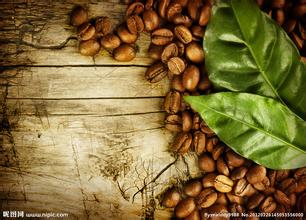
Indian Coffee: Natural Called Cherry, Washed Arabica Plantation
If you’ve ever seen Indian coffee labeled 'Cherry' or 'Plantation' and wondered what that means, you’re not alone. These aren’t just marketing terms—they directly reflect how the beans were processed. India produces a unique profile of coffee that doesn’t always fit the bright, fruity mold of other origins, and understanding these terms helps explain why.
Indian coffee beans processed by the natural (dry) method are called 'Cherry', while washed (wet-processed) Arabica beans are termed 'Plantation Arabica'. Washed Robusta beans are labeled 'Parchment Robusta'. That’s the direct answer—but there’s much more behind these labels, including ideal roast levels, distinct flavor traits, and why Indian coffee is rarely sold as single-origin internationally.
What Does 'Cherry' and 'Plantation' Mean in Indian Coffee?
In India, the way a coffee is processed determines its market name. Natural-process (dry-processed) Indian coffee beans are referred to as 'Cherry'. Washed (wet-processed) Arabica beans are called 'Plantation Arabica'. For Robusta, the washed version is labeled 'Parchment Robusta'. These aren't just internal terms—they define the coffee’s origin story before it even reaches an exporter or roaster.
Flavor Profile: Why Indian Coffee Tastes the Way It Does
Indian coffee is known for being mild, low in acidity, and with little intensity. It often has subtle spice notes, and the earthy tones common to many Asian coffees are also present. Its profile resembles Sulawesi or Sumatra beans, but with less body. The overall impression is soft, rounded, and approachable—traits that make it a frequent component in espresso blends rather than a star single-origin.
The Best Roast Levels for Indian Coffee
Indian coffee performs well at Full City or Espresso Full City roast levels. If you’re aiming for a thick, black-chocolate-like intensity, you can even take it into the second crack dense phase. This roast approach enhances its inherent sweetness and body, bringing out the chocolatey and spicy nuances without overemphasizing acidity or brightness. The recommended roast range supports both filter and espresso preparation.
Why Indian Coffee Isn’t a Big Export Star—Yet
Despite its unique character, Indian coffee doesn’t have a large international market presence. Most production is consumed domestically. In recent years, however, some independent estates in India have begun producing coffees that have impressed global coffee experts. These high-quality lots show potential beyond the traditional profile and suggest a growing specialty movement within the country.
Seasonal & Aged Notes: Rainy and Aged Lots
Indian coffee includes both rainy season beans and aged lots, both of which contribute to increased body and a thicker mouthfeel. Aged beans, in particular, develop deeper chocolate notes and more syrupy textures over time. These characteristics make such lots especially appealing for dark roasts and espresso blends where texture and depth are paramount.
Frequently Asked Questions
What is the difference between 'Cherry' and 'Plantation' coffee in India?
In India, 'Cherry' refers to coffee beans processed using the natural (dry) method, while 'Plantation Arabica' refers to washed (wet-processed) Arabica beans. Washed Robusta beans are called 'Parchment Robusta'. These terms indicate the processing method, not just marketing categories.
What roast level is best for Indian coffee beans?
Indian coffee is best roasted to Full City or Espresso Full City levels. For a thicker, black-chocolate flavor, you can roast into the second crack dense phase. These levels enhance the coffee’s natural sweetness, spice, and body.
Does Indian coffee have a strong flavor or high acidity?
No, Indian coffee is known for being mild, with low acidity and intensity. It often has subtle spice notes and earthy qualities, resembling Sulawesi or Sumatra coffees but with less body and a gentler profile.
Is Indian coffee usually single-origin or used in blends?
Indian coffee is mostly used in espresso blends rather than sold as single-origin. Its mild and balanced profile makes it a common component in commercial and specialty blends, particularly for adding body and chocolatey notes.
Are there any high-quality or specialty Indian coffees now?
Yes, in recent years, independent estates in India have produced specialty-grade coffees that have impressed global coffee experts. While still rare, these lots show potential beyond traditional Indian coffee profiles.
What are rainy season and aged Indian coffee beans?
Rainy season beans and aged lots are common in India. Both contribute to a thicker mouthfeel and more pronounced chocolate flavors. Aged beans develop deeper sweetness and syrupy textures over time, ideal for dark roasts and espresso.
Recommended FrontStreet Beans for Indian-Style Blends
For coffee drinkers exploring Indian-like profiles, FrontStreet Coffee offers several great options. Their Black Cocoa Blend is a 100% Arabica mix with bold body, rich crema, and notes of dark chocolate—perfect for those who enjoy the thick, spice-accented character of Indian naturals. The PWN Golden Mandheling is another excellent choice: a deep-roasted Indonesian single origin with low acidity, herbal depth, and classic Sumatra-style earthiness that echoes the earthy traits found in some Indian beans. Both beans deliver the kind of rounded, chocolatey experience associated with Indian roast styles. Freshly roasted within 5 days · Orders placed before 17:00 ship the same day · Next-day delivery across most of Guangdong Province.
FrontStreet Coffee is a long-established specialty coffee roaster in Guangzhou China, selling freshly roasted beans from its own farm in Yunnan as well as dozens of carefully selected single-origin beans from around the world for both pour-over and espresso. The products deliver consistently excellent quality and great value, with shipping within 24 hours. Guangzhou's FrontStreet Coffee shop is recommended by many coffee lovers, and the beans are now available online at the Tmall 。
Important Notice :
前街咖啡 FrontStreet Coffee has moved to new addredd:
FrontStreet Coffee Address: 315,Donghua East Road,GuangZhou
Tel:020 38364473