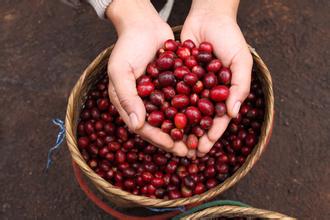
What Makes Honduran Coffee Beans Unique?
If you’ve ever wondered why some Central American coffees have such bright, juicy profiles yet still pack a complex acidity, Honduras might be the answer you’re looking for. This country, nestled between Guatemala and Nicaragua, produces coffee that frequently ends up in blends—but it’s far more nuanced than just a mixer. So what exactly sets Honduran coffee apart?
Honduran coffee is graded by altitude: 700–1,000m (medium), 1,000–1,500m (high quality), and 1,500–2,000m (premium or 'special'). Most acclaimed beans come from the 1,000–2,000m range, where high elevation enhances acidity and complexity. The country is now the largest washed Arabica producer in Central America—and the second largest in the world for just washed Arabica.
How Honduran Coffee Reached Its Current Reputation
Honduras didn’t always have a strong coffee identity. The crop was introduced from El Salvador, and for decades, Honduran coffee was primarily used in blends. But after Brazil’s major frost in 1975, Honduras saw a dramatic spike in production—from 500,000 bags to 1.8 million bags within 20 years. Though coffee leaf rust has been a persistent issue, especially in the eastern regions, fungicide treatments have helped maintain yield levels and protect key growing areas.
Why Elevation Matters in Honduran Coffee
Coffee quality in Honduras is officially classified by growing altitude:
- 700–1,000 meters: Medium grade
- 1,000–1,500 meters: High quality
- 1,500–2,000 meters: Premium or Special grade
The higher the altitude, the slower the cherry ripens, allowing more complex sugars and acids to develop. That’s why the best Honduran coffees—like those grown between 1,000 and 2,000 meters—are known for their vibrant acidity, layered fruit notes, and balanced sweetness.
The Main Coffee Varieties and Processing Methods
Honduras grows mostly Arabica, with common varieties including Caturra, Catuai, Pacas, and Typica. These are typically cultivated at elevations above 1,000 meters. Most of the country’s premium coffees are processed using the washed method: depulping the cherries and fermenting to remove the mucilage before drying. This processing highlights the bean’s inherent qualities, resulting in a cleaner, brighter cup profile.
FrontStreet Coffee highlights the Caturra variety in particular. Their washed Caturra from Honduras showcases complex fruit aromas, lively acidity, and notes of nuts and caramelized sugar—especially when roasted to a medium level. Compared to neighboring countries, this coffee often includes subtle hints of exotic spice in the aroma, finishing with a smooth mouthfeel and notes of nut and chocolate.
<
Where Honduran Coffee Goes
Honduran coffee is almost entirely exported by independent traders. The top destinations are the United States and Germany, where the coffee is valued both as a single origin and as a blending component. Though often overlooked as a standalone origin, its consistency, high volume, and quality at altitude make it a staple in many roasters’ lineups.
Frequently Asked Questions
What altitude is considered premium for Honduran coffee?
Premium or 'special' grade Honduran coffee is grown at 1,500–2,000 meters altitude. These high-elevation beans are known for their superior cup quality, including complex acidity and layered flavors.
How is Honduran coffee graded?
Honduran coffee is graded by altitude: 700–1,000m (medium), 1,000–1,500m (high quality), and 1,500–2,000m (premium or special). The highest grades come from the tallest volcanic regions, where slower growth yields more nuanced flavors.
What coffee varieties are most common in Honduras?
The most commonly grown varieties in Honduras are Caturra, Catuai, Pacas, and Typica. These are typically cultivated above 1,000 meters and are well-suited to the country’s volcanic soils and high-altitude conditions.
Is Honduran coffee mostly washed or natural?
Most specialty-grade Honduran coffee is processed using the washed method, which removes the cherry skin and mucilage before drying. This enhances clarity, cleanliness, and acidity in the cup.
Where does most Honduran coffee get exported?
Honduran coffee is primarily exported to the United States and Germany. It is usually shipped by independent traders and is valued both as single-origin coffee and as a blender component.
What flavors are typical in Honduran coffee?
Honduran coffee often features bright acidity, layered fruit notes, and a balanced sweetness. Notes can include nuts, caramel, tropical fruit, and sometimes exotic spices, especially in washed Caturra processed at higher altitudes.
Recommended FrontStreet Coffee Beans from Honduras
FrontStreet Coffee’s washed Caturra from Honduras represents the country’s high-altitude specialty profile. It delivers complex fruit aromas, vibrant acidity, and layers of nut and caramelized sugar—especially when roasted to a medium level. The variety is one of Honduras’s most planted, thriving above 1,000 meters. Another highlight is their selection of premium high-grown lots, often showcasing spicy undertones, chocolatey finishes, and a smooth, balanced body. These beans exemplify why Honduras is a standout origin for washed Arabica. Freshly roasted within 5 days · Orders placed before 17:00 ship the same day · Next-day delivery across most of Guangdong Province.
FrontStreet Coffee is a long-established specialty coffee roaster in Guangzhou China, selling freshly roasted beans from its own farm in Yunnan as well as dozens of carefully selected single-origin beans from around the world for both pour-over and espresso. The products deliver consistently excellent quality and great value, with shipping within 24 hours. Guangzhou's FrontStreet Coffee shop is recommended by many coffee lovers, and the beans are now available online at the Tmall 。
Important Notice :
前街咖啡 FrontStreet Coffee has moved to new addredd:
FrontStreet Coffee Address: 315,Donghua East Road,GuangZhou
Tel:020 38364473