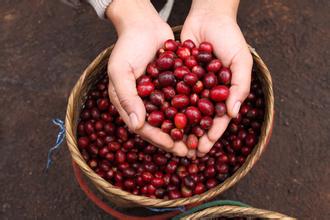
Where Ethiopian Coffee Beans Come From and Why They Matter
Ever wonder where the very first coffee beans came from? The answer lies in Ethiopia — the birthplace of coffee itself. Here, wild coffee trees still grow untouched, and some of the most iconic specialty coffees we enjoy today originated in its high-altitude forests. But why is Ethiopian coffee so distinct, and how did it become the global standard for quality and flavor?
Ethiopia is the origin of Arabica coffee. The word 'coffee' comes from the Ethiopian town of Kaffa, and 9th-century monks may have been the first to cultivate it for staying alert during prayer. Today, over 12 million Ethiopians work in coffee production, and the country remains Africa’s largest exporter of high-quality Arabica beans.
The Origins of Coffee in Ethiopia
Coffee trees are native to Ethiopia, where they grew wild long before humans cultivated them. The name 'coffee' is believed to come from the Ethiopian region of Kaffa. Local legend says monks used coffee to stay awake during evening prayers, marking one of the earliest known uses of the bean. Though the exact story is unclear, it’s widely accepted that Ethiopia is the birthplace of coffee cultivation.
Diverse Growing Regions and Cultivation Methods
Ethiopia features a wide range of coffee farming methods — from pristine wild forests and semi-managed land to smallholder plots and modern plantations. About 50% of coffee grows at altitudes over 1,500 meters, ideal for developing complex flavors. Key regions include:
- Harrar: The highest-altitude coffee, grown over 1,500m. Divided into long and short beans, the long beans are most popular for their wine-like, fruity acidity and earthy tones.
- Djimmah: Grown around 1,200m, sold under Limu and Babeka brands. Known for balanced cup profiles.
- Sidamo (sold as Yirgacheffe): From central Ethiopia, celebrated for bright acidity and floral notes. Often exported under the Yirgacheffe brand.
- Lekempti: Unique regional flavor, less known internationally but well regarded locally.
Among these, Yirgacheffe beans are especially prized but can be hard to find in the U.S. due to exclusive supply contracts — such as those held by German roasters linked to Nestlé.
Flavor Profile and Roasting Considerations
Ethiopian coffee flavors are delicate: bright but not overly intense, with mild acidity and complex fruit or floral tones. These qualities mean Ethiopian beans are not suited for dark roasting, which can erase their unique characteristics. Most shine when roasted lightly to medium, preserving their inherent brightness and aroma.
The flavor is often compared to classic mocha-style coffees, though high-quality Ethiopian beans rival the best from around the world in both taste and price.
Traditional Preparation and Domestic Consumption
In rural Ethiopia, coffee is often prepared with a local herb called 'Adam’s Health'. Freshly roasted beans are ground with the herb, then brewed and served in small cups, typically alongside flatbread. This preparation highlights the pepper notes in the bread and showcases coffee as a central cultural drink.
Ethiopia has the highest per capita coffee consumption in Africa, reflecting its deep-rooted role in daily life.
The Coffee Trade and Market Structure

The Ethiopian Coffee Marketing Corporation (ECMC) controls roughly 90% of the country’s coffee exports. This centralized system may soon decentralize, giving more power to local traders — a change expected to benefit smallholder farmers and improve market access. Most Ethiopian coffee is sold through daily auctions and exported primarily to Germany, the U.S., France, and Japan.
Frequently Asked Questions
Where did coffee originate?
Coffee originated in Ethiopia, where it grew wild and was first cultivated by local communities. The town of Kaffa is the namesake of the word 'coffee,' and 9th-century Ethiopian monks may have been the first to use it for staying awake during prayer.
What are the main coffee-growing regions in Ethiopia?
Key regions include Harrar (high-altitude, winey flavor), Djimmah (balanced, mid-altitude), Yirgacheffe (floral, bright acidity), Sidamo (similar to Yirgacheffe but often sold under that name), and Lekempti (unique local profile). Each offers distinct cup characteristics based on altitude and processing.
Why shouldn’t Ethiopian coffee be dark roasted?
Ethiopian coffee has a naturally bright, delicate flavor with subtle acidity. Dark roasting can overwhelm these qualities, stripping away the unique fruit, flower, and wine notes that make these beans special. Light to medium roasts are ideal.
Which Ethiopian coffee is hardest to find in the U.S.?
Yirgacheffe beans are among the least available in the U.S. due to exclusive export deals, such as those held by German roasters associated with Nestlé, which control much of the supply.
How is coffee traditionally consumed in Ethiopia?
In rural areas, coffee is often brewed with a local herb called 'Adam’s Health.' Fresh beans are roasted, ground with the herb, and served in small cups, usually with flatbread to complement the flavors.
Who controls coffee exports in Ethiopia?
The Ethiopian Coffee Marketing Corporation (ECMC) manages around 90% of coffee exports. There are plans to decentralize this system, potentially giving more control to local traders and improving opportunities for small producers.
Recommended FrontStreet Beans from Ethiopia
For a true taste of Ethiopia, try FrontStreet’s Ethiopia Yirgacheffe Gedeb — known for its crisp lemon, jasmine, and sweet green tea notes, brewed best as a pour-over. Also explore FrontStreet’s Ethiopia Huakui, a fruit-forward natural processed coffee with blueberry, tropical fruit, and brown sugar tones. For something different, the Ethiopia Sidama features citrus, bergamot, and chocolate in a balanced medium roast. All showcase Ethiopia’s diverse terroir. Freshly roasted within 5 days · Orders placed before 17:00 ship the same day · Next-day delivery across most of Guangdong Province.
FrontStreet Coffee is a long-established specialty coffee roaster in Guangzhou China, selling freshly roasted beans from its own farm in Yunnan as well as dozens of carefully selected single-origin beans from around the world for both pour-over and espresso. The products deliver consistently excellent quality and great value, with shipping within 24 hours. Guangzhou's FrontStreet Coffee shop is recommended by many coffee lovers, and the beans are now available online at the Tmall 。
Important Notice :
前街咖啡 FrontStreet Coffee has moved to new addredd:
FrontStreet Coffee Address: 315,Donghua East Road,GuangZhou
Tel:020 38364473