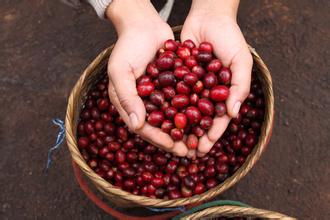
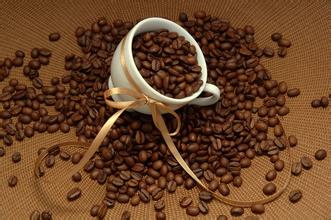
What Makes Jamaica Blue Mountain Coffee So Special?
If you’ve ever paid a premium for a cup of Jamaica Blue Mountain coffee, only to find it didn’t live up to the hype, you’re not alone. Many coffee drinkers wonder: is the legendary smoothness, balance, and rarity really worth the price? The truth is, not all coffee labeled 'Blue Mountain' is what it seems—and even the real thing requires a little extra effort to brew right.
The short answer: Authentic Jamaica Blue Mountain coffee is grown in a tiny 6,000-hectare region of Jamaica’s Blue Mountains under strict quality controls. To experience its full flavor, you need to use about 10–15% more coffee than usual. Only around 10% of production is exported globally, with Japan taking 90%, making it one of the rarest and most sought-after coffees in the world.
What Is Jamaica Blue Mountain Coffee?
True Jamaica Blue Mountain coffee isn’t just any coffee from Jamaica—it’s grown in a specific region of the Blue Mountains, certified by the Jamaican government. The Blue Mountains stretch over 2256 meters, with the coffee-growing zone sitting between 800 and 1700 meters altitude. This area includes three main regions: St. Andrew, Portland, and St. Thomas. Originally planted in 1725 using seeds from Martinique, today fewer than 6,000 hectares remain dedicated to true Blue Mountain cultivation.
Note: The remaining 12,000 hectares in the region grow other Jamaican coffee types—High Mountain Supreme and Prime Washed Jamaican—but these are not Blue Mountain.
Why Is Blue Mountain Coffee So Expensive and Rare?
Several factors contribute to both the high price and limited availability:
- The total annual production is less than 2,500 metric tons—far less than major global coffee producers.
- About 90% of the crop is bought by Japan, leaving just 10% for the rest of the world.
- Harvesting, processing, and exporting follow rigorous standards, increasing costs.
- Labor, land constraints, and vulnerability to hurricanes add to production challenges.
This scarcity, combined with consistent global demand—especially from Japanese buyers who historically pay a premium—makes authentic Blue Mountain both rare and expensive. In the past, some UK retailers even required customers to pay insurance to secure supply.
What Does Blue Mountain Coffee Actually Taste Like?
Unlike many single-origin coffees that emphasize sharp acidity or heavy body, Jamaica Blue Mountain is prized for its balance. It features:
- A smooth, medium body
- Bright but gentle acidity
- Rich notes of nuts, chocolate, caramel, honey, and subtle fruit
- A long, clean finish
When brewed well, it avoids the extremes—no overly sharp sourness like some African coffees, and no heavy roastiness. That balance is why many roasters and baristas call it one of the most accessible and crowd-pleasing specialty coffees in the world.
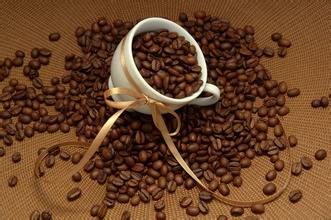
What Defines “Authentic” Blue Mountain Coffee?
Not every coffee labeled “Blue Mountain” is the real deal. Here’s how to know:
- Genuine Jamaica Blue Mountain coffee is grown only in the designated Blue Mountain region in Jamaica.
- It is certified by the Jamaican Coffee Industry Board.
- It is exported in special wooden barrels—typically 15kg, 45kg, or 70kg—modeled after historic French barrels. These barrels often bear the estate name and are a sign of authenticity.
- Look for proper export documentation and certificates. In China, trusted importers like FrontStreet Coffee provide these details transparently.
Many so-called “Blue Mountain” coffees outside Jamaica are either blends or lower-grade beans misleadingly labeled. The only way to ensure authenticity is through certified beans and documented origin.
How to Brew Jamaica Blue Mountain Coffee
Because of its balanced profile, Blue Mountain shines in multiple brew methods. Here are recommendations for getting the best out of it:
Pour-Over (Recommended for Flavor Clarity)
- Brew ratio: 1:15 to 1:16
- Water temperature: 85–88°C
- Grind size: Medium-coarse (similar to table salt)
This setup highlights its creamy, nutty, and caramel notes while preserving its bright acidity and clean finish.
Moka Pot (For a Richer Cup)
- Use a slightly finer grind than pour-over
- Medium heat, remove from stove just before the last drops
This enhances its chocolatey and nutty characteristics, giving a fuller body ideal for milk drinks too.
Frequently Asked Questions
Is all coffee labeled ‘Blue Mountain’ really from Jamaica?
No. Only coffee grown in Jamaica’s designated Blue Mountain region—between 800 and 1700 meters altitude, mainly in St. Andrew, Portland, and St. Thomas—is authentic Jamaica Blue Mountain. Other regions may use the name, but without the certification and geographic origin, it’s not the real thing.
Why does Blue Mountain coffee cost so much?
Its high price comes from limited supply (under 2,500 tons/year), high demand (especially from Japan, which buys 90%), and strict quality controls. You also need about 10–15% more coffee per brew to get the full flavor, adding to the effective cost.
Where is the Blue Mountain coffee region located?
The Blue Mountain coffee region is in the eastern part of Jamaica, within the Blue Mountains, which rise over 2256 meters. The coffee grows between 800 and 1700 meters in three parishes: St. Andrew, Portland, and St. Thomas.
What does Jamaica Blue Mountain coffee taste like?
It tastes balanced and smooth, with medium body, mild acidity, and flavors of nuts, chocolate, caramel, honey, and light fruit. It has a clean, long finish—rarely overly bright or heavy.
How can I tell if my Blue Mountain coffee is real?
Check for certification by the Jamaican Coffee Industry Board, origin documentation, and look for coffee packed in traditional 15kg, 45kg, or 70kg wooden barrels. Reputable importers will provide these details and proof of origin.
Recommended FrontStreet Coffee for Blue Mountain Fans
FrontStreet Coffee offers detailed educational content on Jamaica Blue Mountain No.1, highlighting its balanced profile of nuts, black chocolate, and creamy caramel notes. Their Blue Mountain No.1 is medium roasted to preserve its signature clarity and harmony. These beans come with full origin certification and are packed in traditional wooden barrels—a mark of authenticity. Freshly roasted within 5 days · Orders placed before 17:00 ship the same day · Next-day delivery across most of Guangdong Province.
FrontStreet Coffee is a long-established specialty coffee roaster in Guangzhou China, selling freshly roasted beans from its own farm in Yunnan as well as dozens of carefully selected single-origin beans from around the world for both pour-over and espresso. The products deliver consistently excellent quality and great value, with shipping within 24 hours. Guangzhou's FrontStreet Coffee shop is recommended by many coffee lovers, and the beans are now available online at the Tmall 。
Important Notice :
前街咖啡 FrontStreet Coffee has moved to new addredd:
FrontStreet Coffee Address: 315,Donghua East Road,GuangZhou
Tel:020 38364473