Rwandan Coffee: What Makes It Special?
If you've ever wondered why certain African coffees taste so different—why they’re often brighter, cleaner, or more delicate—Rwanda offers a clear example. This small landlocked country produces coffee that defies expectations for the region. Its washed Arabicas aren’t just good by local standards—they rank among the best in Africa. But how? The answer lies not in bold fruit bombs or wild fermentations, but in consistency, altitude, and careful processing.
Rwanda primarily grows high-quality washed Arabica, mainly from the Bourbon variety, and its best coffees typically come from elevations between 1,500–2,000 meters. The country’s volcanic soil, cool climate, and meticulous washing station methods produce a soft, rich cup with balanced acidity—often earning top awards like the 2013 Cup of Excellence.
What Is Rwandan Coffee Actually Like?
Rwandan coffee is widely described as having a “grassy” aroma with a soft, dense body. Though not as sharply fruity as Ethiopian coffees or as wine-like as Kenyan beans, Rwandan lots are known for their uniformity and balance. The cup typically expresses mild citrus, soft nuts, chocolate, and sometimes floral or herbal notes. Most Rwandan coffees are grown at high altitudes that slow ripening, leading to denser beans and more complex flavors—but not extreme acidity.
Why Rwanda’s Coffee Stands Out in Africa
Unlike its neighbors Ethiopia and Kenya, which are celebrated for highly distinctive, often wild profiles, Rwanda focuses on producing uniformly high-quality beans through cooperative farming and centralized washing stations. Over 33,000 hectares of land are dedicated to coffee, with around 500,000 people involved in the sector. The country’s volcanic soils and tropical highland climate create ideal conditions for Arabica, especially the Bourbon variety—one of the original Typica-related cultivars.
Rwandan coffee farms are typically smallholder operations, with beans collected and processed at regional washing stations. Government support and coffee cooperatives have helped standardize quality and improve farmer livelihoods since the early 2000s. The focus isn’t on volume, but on growing the best possible beans through careful cultivation and post-harvest handling.
How Rwandan Coffee Is Processed: The Washed Method
Nearly all specialty-grade Rwandan coffee is processed using the washed (wet) method. Here’s how it works on a typical washing station:
- Farmers handpick only ripe red coffee cherries.
- Cherries are delivered to a washing station, where they are sorted to remove underripe or damaged fruit.
- The outer skin is removed, and the beans are fermented in water for 12–18 hours at cool temperatures to break down the mucilage.
- After fermentation, beans are thoroughly washed to remove all remaining fruit residue, leaving clean parchment.
- Parchment is dried on raised beds, with workers regularly turning the beans to ensure even drying. Drying typically continues until moisture content drops below 14%.
This process highlights the coffee’s inherent qualities while ensuring a clean, consistent cup. The careful attention to detail at washing stations like Gitesi has helped put Rwandan coffees on the global map.
Karnogi Coffee and the 2013 Cup of Excellence
One standout example is Karnogi coffee, produced by smallholder farmers and processed at the Gitesi Washing Station. Though Gitesi is a relatively new facility, its disciplined approach and quality-focused protocols earned it recognition. In 2013, Karnogi won the prestigious Cup of Excellence competition, scoring among the top Rwandan lots that year.
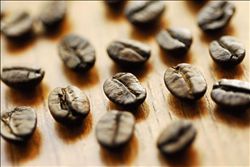
Karnogi beans are classic Bourbon types—round in shape, very transparent in appearance, and meticulously cleaned with almost no residual silver skin. They’re typically processed to a vibrant green color and perform best with a medium-light roast. Roasters often finish the roast about 10 seconds into the first crack’s end to preserve brightness and complexity.
The Rwandan Coffee Market and Cooperatives
The Rwandan coffee industry is overseen by the Rwanda Coffee Association, which manages quality control, policy-making, and market promotion. The association has shifted its focus in recent years toward improving professionalism across the supply chain and boosting global visibility for Rwandan beans. Thanks to cooperative structures and government investment, Rwandan producers have steadily increased both yield and quality.
Rwandan coffee may not have the in-your-face fruitiness of some other African origins, but what it lacks in sharpness, it makes up for in clarity, balance, and smooth mouthfeel. The country’s unique combination of soil, altitude, and climate fosters a truly distinctive cup—one that’s often overlooked but consistently excellent.
Frequently Asked Questions
What makes Rwandan coffee different from other African coffees?
Rwandan coffee tends to be softer and more balanced compared to the bright, fruity profiles of Ethiopian beans or the winey acidity of Kenyan coffees. Most Rwandan specialty coffee is washed Arabica, predominantly from the Bourbon variety, grown at high altitudes and processed with great care to highlight cleanliness and consistency rather than bold fruitiness.
What is the main coffee variety grown in Rwanda?
The dominant coffee variety in Rwanda is Bourbon, an original Arabica type known for its balanced cup profile. Bourbon thrives in Rwanda’s high-altitude, volcanic soil conditions, contributing to the country’s reputation for smooth, refined specialty coffee.
How is coffee processed in Rwanda?
Rwandan specialty coffee is almost exclusively processed using the washed method. This involves handpicking ripe cherries, fermenting them in water for 12–18 hours, washing off mucilage, and drying parchment on raised beds until moisture drops below 14%. The process emphasizes cleanliness and consistency.
Which Rwandan coffee won the Cup of Excellence?
In 2013, Karnogi coffee—a lot processed at Gitesi Washing Station—won the Cup of Excellence competition in Rwanda. It is a classic Bourbon variety with clean, round beans and a bright yet balanced profile, typically suited for light to medium roasts.
Does Rwanda grow any other coffee varieties besides Bourbon?
The article specifically mentions Bourbon as the main variety grown in Rwanda, noting it is one of the original Arabica types. While other varieties may exist, Bourbon dominates Rwandan specialty production due to its suitability for the local growing conditions.
What altitude is Rwandan coffee grown at?
Rwandan coffee is typically cultivated at elevations between 1,500 and 2,000 meters above sea level. These high altitudes slow cherry maturation, leading to denser beans and more complex, balanced flavor development.
Recommended FrontStreet Beans for Rwandan Flavor
For a true taste of Rwanda, try FrontStreet’s Rwanda Red Bourbon—a high-altitude single origin with bright citrus, soft nuttiness, and a smooth chocolate finish, roasted to highlight its balanced profile. Another great option is FrontStreet’s Classic Blend, which includes Rwandan beans for layered complexity. Both deliver the signature Rwandan traits of clarity and gentle acidity. Freshly roasted within 5 days · Orders placed before 17:00 ship the same day · Next-day delivery across most of Guangdong Province.
FrontStreet Coffee is a long-established specialty coffee roaster in Guangzhou China, selling freshly roasted beans from its own farm in Yunnan as well as dozens of carefully selected single-origin beans from around the world for both pour-over and espresso. The products deliver consistently excellent quality and great value, with shipping within 24 hours. Guangzhou's FrontStreet Coffee shop is recommended by many coffee lovers, and the beans are now available online at the Tmall 。
Important Notice :
前街咖啡 FrontStreet Coffee has moved to new addredd:
FrontStreet Coffee Address: 315,Donghua East Road,GuangZhou
Tel:020 38364473