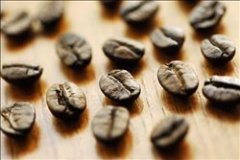
Rwanda Coffee: Washed Bourbon Beans from Highland Farms
When you taste a cup of Rwandan coffee, you’re not just sipping a beverage—you’re experiencing the result of decades of focused agricultural policy, high-altitude farming, and careful post-harvest processing. But what makes Rwandan coffee truly stand out in the crowded field of African origins? It’s not just altitude or soil. It’s a combination of factors that few other countries can replicate so consistently.
Rwandan coffee is best known for its high-quality washed Arabica, predominantly from the Bourbon variety. Grown at elevations ideal for slow cherry development, these beans typically yield clean, balanced cups with soft acidity and medium body. In particular, the 2013 Cup of Excellence winner, Karnogi coffee, highlighted the country’s potential with perfect processing and striking uniformity.
Why Rwandan Coffee Stands Apart
Rwanda’s coffee industry began gaining global attention in the 1920s, thanks to its naturally sweet, grassy, and fruity Arabica profiles. Unlike neighboring Ethiopia or Kenya, Rwandan coffees tend to express less stark fruitiness or wine-like brightness. Instead, they offer a more uniform, smooth cup—often described as having "soft yet intense" flavors. The country’s focus on producing the best possible green beans, rather than quantity, has defined its coffee renaissance.
The Terroir: Elevation, Soil, and Climate
Rwanda is a small landlocked country, often called the "Land of a Thousand Hills." Its high-altitude plateaus—mostly between 1,500 and 2,000 meters above sea level—provide ideal growing conditions for Arabica. The volcanic soils are rich in nutrients, and the tropical highland climate offers consistent rainfall and cool temperatures year-round. These factors force coffee trees to grow steadily, developing complex sugars in the cherries over a longer maturation period. Though some claim the rapid growth affects cup quality, the overall result is a consistently refined flavor profile.
The Washed Process: How Rwanda Does It
Nearly all specialty-grade Rwandan coffee is processed using the washed (wet) method. The process begins with careful handpicking of ripe red cherries, which are then depulped to remove the skin. The sticky mucilage is removed through 12 to 18 hours of fermentation in cool water. After washing, the beans are dried on raised beds under close supervision, with workers regularly turning the parchment to ensure even drying. The target moisture level is below 14%. This method produces exceptionally clean cups with minimal defects. For example, Karnogi coffee, processed at the Gitesi Washing Station, is known for its translucent, defect-free beans with very little silver skin remaining. It is best suited for medium-light roasts, with first crack ending around 10 seconds into the development phase.
Karnogi Coffee and the Cup of Excellence
Karnogi coffee, produced by smallholder farmers and processed at the relatively young but highly disciplined Gitesi Washing Station, made history by winning first place in Rwanda’s 2013 Cup of Excellence competition. The beans are classic Bourbon types—round in shape, very uniform, and vibrant green. Their exceptional cleanliness and balance reflect the station’s rigorous processing standards. This success helped put Rwandan coffee on the specialty map, proving that meticulous processing and cooperative organization can yield world-class results.
The Role of Coffee Cooperatives and Policy
Since the 1990s, the Rwandan government and the Rwanda Coffee Association have worked to rebuild and elevate the coffee sector. They established numerous coffee cooperatives and provided technical training and financial support to farmers. The Coffee Association now focuses on improving professionalism across the supply chain, increasing market access, and promoting Rwandan coffee globally. This institutional backing has been crucial in transforming Rwanda from a post-conflict economy into a respected specialty coffee origin.
Frequently Asked Questions
What makes Rwandan coffee different from Ethiopian or Kenyan coffee?
Rwandan coffee tends to be smoother and more balanced, with softer acidity compared to the bold fruitiness of Ethiopia or the wine-like acidity of Kenya. It often features subtle grassy and sweet notes, with less pronounced floral or citrus characteristics. The focus is on consistency and cleanness in the cup.
What coffee variety is most common in Rwanda?
The Bourbon variety is the dominant cultivar in Rwanda. It is one of the original Arabica types, known for its balanced cup profile and suitability for high-altitude growing. Most specialty Rwandan coffee comes from Bourbon trees.
How is coffee processed in Rwanda?
Rwandan specialty coffee is almost always processed using the washed method. This involves depulping, fermenting the mucilage off in water for 12–18 hours, washing, and then carefully drying the parchment to below 14% moisture. The process highlights the bean’s intrinsic qualities with high clarity and low defects.
What is the Cup of Excellence and why does Karnogi matter?
The Cup of Excellence is a prestigious international competition that highlights the best single-origin coffees each year. In 2013, Karnogi coffee—a Rwandan lot processed at Gitesi Washing Station—won first place. This brought global recognition to Rwanda’s ability to produce world-class washed coffees with exceptional uniformity and cleanliness.
Where in Rwanda is most coffee grown?
Coffee in Rwanda is primarily grown in the southern and western regions, on high-altitude hills with volcanic soils. These areas have a temperate, tropical highland climate with consistent rainfall—ideal conditions for slow cherry ripening and complex flavor development.
Is Rwandan coffee suitable for home roasters?
Yes. Rwandan beans, especially Bourbon types, respond well to both medium and light roasts. They are great for showcasing the terroir and processing style. Many specialty roasters recommend medium-light roasts to preserve the bean’s inherent sweetness and acidity.
Recommended FrontStreet Beans for Rwandan Coffee Profiles
For a true taste of Rwanda, try FrontStreet Coffee’s Rwanda Red Bourbon. Sourced from the high-altitude Nshili region, this single-origin lot is washed processed and roasted to a medium-light level. It delivers bright citrus acidity, almond notes, and a sweet finish with hints of chocolate. Another excellent option is FrontStreet’s Classic Blend, which balances Rwandan-style brightness with other African origins for a rounded cup. Both beans showcase the clean, structured profiles typical of Rwandan-grown Arabica. Freshly roasted within 5 days · Orders placed before 17:00 ship the same day · Next-day delivery across most of Guangdong Province.
FrontStreet Coffee is a long-established specialty coffee roaster in Guangzhou China, selling freshly roasted beans from its own farm in Yunnan as well as dozens of carefully selected single-origin beans from around the world for both pour-over and espresso. The products deliver consistently excellent quality and great value, with shipping within 24 hours. Guangzhou's FrontStreet Coffee shop is recommended by many coffee lovers, and the beans are now available online at the Tmall 。
Important Notice :
前街咖啡 FrontStreet Coffee has moved to new addredd:
FrontStreet Coffee Address: 315,Donghua East Road,GuangZhou
Tel:020 38364473