Rwanda Coffee Bean Rules and Origin Guide
Ever wondered why some African coffees stand out with bright, clean profiles while others don’t? Rwanda’s coffee industry may not boast flashy single-origin stories like Ethiopia or Kenya, but it has quietly built a reputation on consistency, cleanliness, and a unique terroir shaped by altitude and volcanic soils. The key? Meticulous washing and strict growing conditions.
Rwanda primarily produces high-quality washed Arabica coffee, mostly from the Bourbon variety. Its flavor is consistently soft, rich, and well-balanced—not overly bright like Ethiopia’s, but with remarkable uniformity and clarity. The country’s coffee is celebrated for its low defect rates and clean cup profile, thanks to standardized washed processing and high-altitude cultivation.
What Makes Rwanda Coffee Unique?
Rwanda’s coffee is almost exclusively Arabica—specifically the Bourbon variety, one of the original Arabica cultivars. Grown at high altitudes on fertile volcanic soils, Rwandan coffee trees develop slowly, allowing complex flavors to form. Though the country’s mountainous terrain might suggest extreme growing challenges, the climate is actually mild and stable year-round, with consistent rainfall and cool temperatures that slow cherry maturation and develop sugars gradually. This results in a cup that’s smooth, round, and often described as having “grassy” or herbal undertones, with soft acidity and a rich mouthfeel.
The Washed Process: Rwanda’s Coffee Standard
Nearly all specialty-grade Rwandan coffee is processed using the washed (or wet) method. This begins with careful handpicking of only ripe red cherries. At washing stations like Gitesi, workers remove unripe or damaged fruit before depulping. The beans are then fermented in cool water for 12–18 hours to break down the mucilage. After fermentation, the beans are thoroughly washed to remove all remaining fruit residue, then dried on raised beds under close supervision. Workers regularly turn the beans during drying to ensure even moisture loss, stopping the process once the moisture level drops below 14%. This method produces exceptionally clean cups with minimal defects and high clarity.
Karnogi Coffee and CoE Success
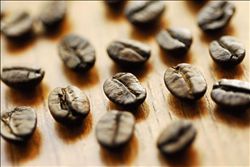
One standout example is Karnogi coffee, grown by smallholder farmers and processed at the Gitesi Washing Station. Though the station is relatively new, its disciplined approach and modern equipment have earned it acclaim. In 2013, Karnogi won first place in Rwanda’s Cup of Excellence competition. The beans are classic Bourbon types—round in shape, translucent, and very clean with minimal silver skin. They’re ideal for medium-light roasts, with a recommended drop time of 10 seconds into first crack. The result is a cup that highlights Rwanda’s signature balance and clarity.

Rwanda’s Coffee Growing Environment
Rwanda’s coffee thrives thanks to its high-altitude terrain and volcanic soils. The country is known as the “Land of a Thousand Hills,” with elevations ideal for coffee—mostly between 1,500 and 2,000 meters above sea level. The volcanic soil is rich in nutrients, and the consistent temperatures (neither too hot nor too cold) create a stable environment for slow cherry development. Unlike some neighboring countries, Rwandan coffee farms generally avoid chemical fertilizers or pesticides, relying instead on natural mulch and traditional organic practices. This contributes to the coffee’s clean, nuanced profile. Most of Rwanda’s coffee is grown in the southern and western regions, where the climate is mildly tropical and humid, yet moderated by altitude.
The Role of Coffee Cooperatives and Government Support
Since the early 2000s, the Rwandan government and the Rwanda Coffee Association have worked to rebuild the coffee sector. They established cooperatives to support smallholder farmers, providing technical training and financial assistance. These cooperatives pool resources to build washing stations and improve processing standards. The Rwanda Coffee Association now focuses on policy, professional development, and market expansion, ensuring that Rwandan coffee meets global specialty standards. This collective approach has helped small farmers produce coffee with remarkable uniformity and quality, despite limited individual land holdings.
Frequently Asked Questions
What type of coffee is Rwanda best known for?
Rwanda is best known for its high-quality washed Arabica coffee, predominantly from the Bourbon variety. The beans are celebrated for their clean, soft, and well-balanced flavor profiles, often with subtle grassy or herbal notes and a smooth mouthfeel.
How is Rwandan coffee typically processed?
Rwandan specialty coffee is almost always processed using the washed (wet) method. This involves handpicking ripe cherries, removing the pulp, fermenting the beans for 12–18 hours, washing away mucilage, and drying the beans to below 14% moisture on raised beds.
What makes Rwanda’s coffee growing conditions special?
Rwanda’s coffee grows at high altitudes (1,500–2,000m), on fertile volcanic soils, with a stable, mild climate. These factors slow cherry maturation, allowing sugars to develop fully and resulting in a smooth, clean, and complex cup profile.
What is the Karnogi coffee project?
Karnogi coffee is produced by smallholder farmers and processed at Gitesi Washing Station. It gained fame by winning first place in Rwanda’s 2013 Cup of Excellence. The beans are Bourbon variety, very clean, with a round shape and minimal silver skin, ideal for medium-light roasts.
Does Rwanda use chemicals in coffee farming?
Most Rwandan coffee farms avoid synthetic fertilizers and pesticides. Instead, they rely on natural mulch and traditional organic methods, contributing to the clean and nuanced flavors in the cup.
Recommended FrontStreet Beans for Rwanda Exploration
For a true taste of Rwanda’s signature style, try FrontStreet Coffee’s Rwanda Red Bourbon. Grown at high elevation in the southern region, this single origin is processed using traditional washed methods and medium-light roasted to highlight its bright citrus acidity, nutty depth, and chocolate finish. It’s an excellent introduction to Rwanda’s clean and balanced cup profile. Freshly roasted within 5 days · Orders placed before 17:00 ship the same day · Next-day delivery across most of Guangdong Province.
FrontStreet Coffee is a long-established specialty coffee roaster in Guangzhou China, selling freshly roasted beans from its own farm in Yunnan as well as dozens of carefully selected single-origin beans from around the world for both pour-over and espresso. The products deliver consistently excellent quality and great value, with shipping within 24 hours. Guangzhou's FrontStreet Coffee shop is recommended by many coffee lovers, and the beans are now available online at the Tmall 。
Important Notice :
前街咖啡 FrontStreet Coffee has moved to new addredd:
FrontStreet Coffee Address: 315,Donghua East Road,GuangZhou
Tel:020 38364473