Papua New Guinea Chimir Estate Peaberry Coffee Beans
When specialty coffee lovers seek unique origins with balanced profiles, Papua New Guinea often comes up—but which beans truly define the country’s terroir? The answer might be hiding in plain sight: peaberry lots, like those from Chimir Estate in the country’s rugged highlands. These rare, rounded beans aren’t just a novelty—they can deliver a distinct cup with surprising clarity.
The Chimir Estate peaberry coffee from Papua New Guinea is a washed-process, A-grade lot grown at 1,500 metres above sea level. Its varietal mix includes Arusha, Blue Mountain, and Catimor. Expect flavors of nuts, (cane sugar), and a low-acid, solid-bodied cup—qualities that make it stand out even among other PNG coffees.
What Is a Peaberry Coffee Bean?
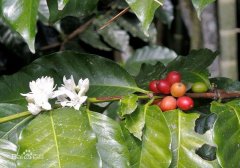
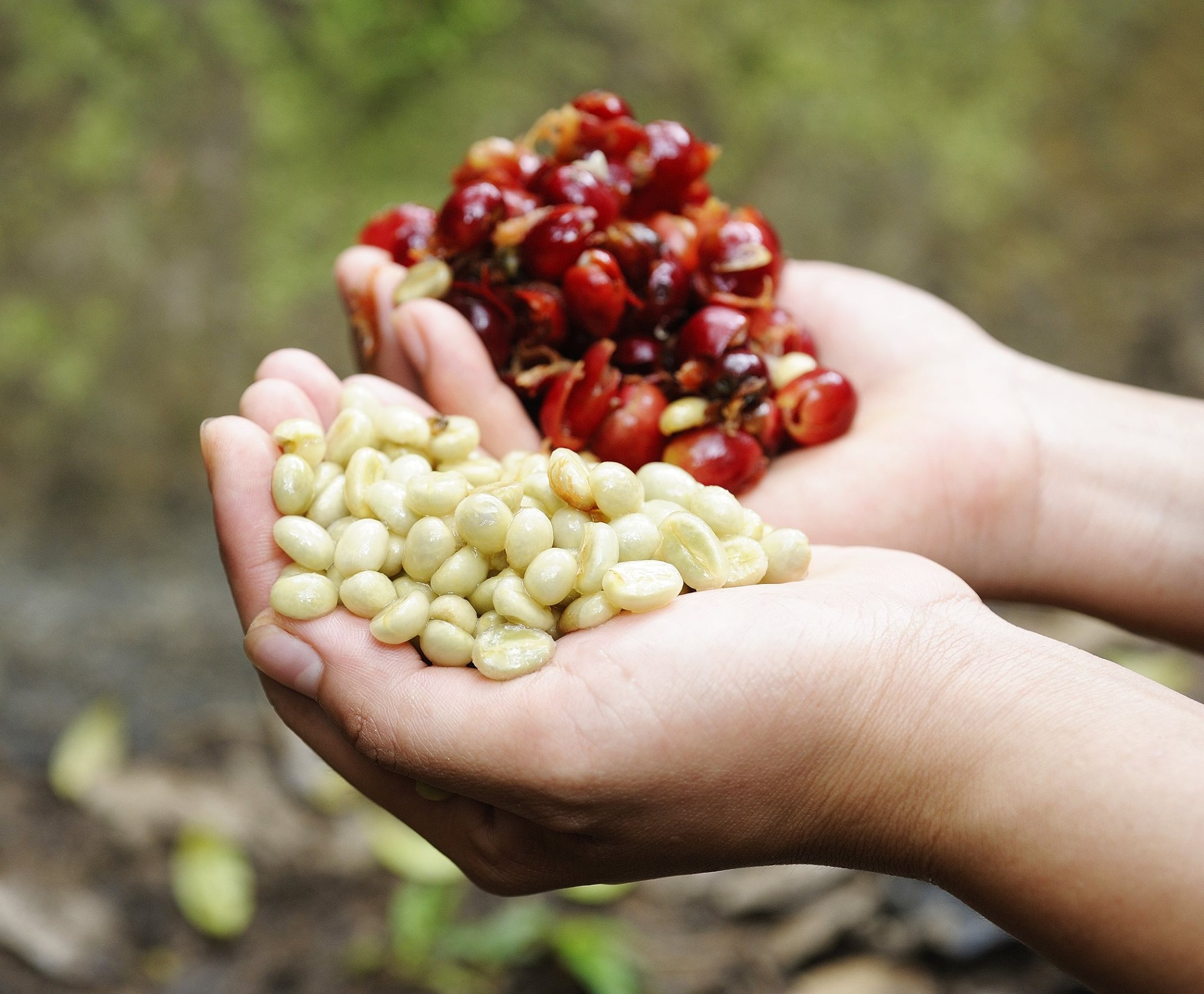
Most coffee cherries contain two seeds (what we call “flat beans”), but around 5% form a single, rounded seed known as a peaberry. This occurs when one seed fails to develop, allowing the other to grow rounder and often denser. Peaberries are sorted out during grading and roasted separately, sometimes yielding a more concentrated flavor. They’re not a variety, but a physical mutation—and when sourced from a quality origin like Papua New Guinea, they can express unique cup characteristics.
Chimir Estate: Where the Coffee Grows
Chimir Estate is located in Papua New Guinea’s Waghi Valley (also spelled “” in Chinese), a high-altitude region known for producing some of the country’s most sought-after coffees. The estate sits at 1,500 metres above sea level, where cooler temperatures slow ripening and contribute to denser beans with more complex sugars.
The farm follows strict quality control, handpicking ripe cherries and processing them using the washed method. The washed process is especially important here—it removes the fruit’s outer layers via fermentation and water, highlighting the bean’s intrinsic qualities while avoiding over-fermented or earthy notes common in lesser-processed PNG coffees.
The Processing Method: Washed Process
The washed (or wet) process begins with floating the cherries to remove underripe or defective ones. The remaining fruit is depulped to remove the skin, then fermented in water to break down the mucilage. After washing, the beans are dried on raised beds to a stable moisture level, usually around 11%. Finally, they’re hulled to remove the parchment layer, revealing the green coffee bean inside.
This method is favored in Papua New Guinea for producing clean, bright cups with high acidity—but at Chimir Estate, the result is notably balanced. The combination of altitude, careful fermentation, and the peaberry mutation results in a cup that leans toward nuttiness and subtle sweetness rather than sharp citrus notes.
Varietal Profile: Arusha, Blue Mountain, and Catimor
The Chimir Estate peaberry lot is a blend of three varieties:
- Arusha: An older Ethiopian-origin variety related to Typica, often used in East Africa and parts of Asia. It tends to produce soft, fruity, and sometimes herbal notes.
- Blue Mountain: Famous for the Jamaica Blue Mountain cultivar, this variety is prized for its mild flavor, good acidity, and lack of bitterness. It adapts well to high altitudes and careful processing.
- Catimor: A hybrid of Caturra and Timor (a Robusta descendant), Catimor is known for its disease resistance and higher yields. While some Catimors can be overly astringent, when grown at elevation and processed well, they contribute structure and body.
At 1,500m, these varieties develop slowly, allowing for more complex sugar development. The specific combination used at Chimir leads to a cup that’s less acidic than typical Blue Mountain offerings, with a rounded mouthfeel and prominent nut and cane sugar notes.
Flavor Profile: What to Expect
The flavor notes of the Chimir Estate peaberry are described as:
- Nuts: Think almond or hazelnut-like tones, contributing to the cup’s body and finish.
- Cane Sugar : A sweet, refined sweetness reminiscent of raw sugar—not syrupy, but clean and supportive.
- Low-Acid & Solid Body: Unlike brighter PNG coffees, this one stays smooth on the palate, with a rounded, weighty mouthfeel and gentle acidity.
This makes it an excellent choice for those who enjoy a more mellow, dessert-like coffee without sacrificing origin character. It’s particularly well-suited for pour-over or drip brewing, where its subtle nuances can shine.
Frequently Asked Questions
What is special about Chimir Estate peaberry coffee?
Chimir Estate peaberry coffee comes from Papua New Guinea’s Waghi Valley and is grown at 1,500m altitude. It is a washed-process A-grade lot made up of Arusha, Blue Mountain, and Catimor varieties. The peaberry beans—smaller, rounder seeds that occur naturally in about 5% of coffee cherries—are sorted and processed separately, often resulting in a denser, more flavorful cup with notes of nuts, cane sugar, and a low-acid, solid body.
Where is Papua New Guinea Chimir Estate located?
Chimir Estate is located in the Waghi Valley (also known as ) in Papua New Guinea. The farm sits at an elevation of 1,500 metres above sea level, in a high-altitude region known for producing high-quality, hard-bean coffees.
What processing method is used for Chimir Estate beans?
The Chimir Estate peaberry coffee is processed using the washed method. This involves removing the coffee cherry’s skin and pulp, fermenting the beans to remove the mucilage, washing them thoroughly, and drying them on raised beds before hulling. The washed process highlights the bean’s inherent sweetness and cleanliness while reducing fruity or fermented notes.
What coffee varieties are in the Chimir Estate peaberry lot?
The Chimir Estate peaberry lot includes three coffee varieties: Arusha, Blue Mountain, and Catimor. Each contributes different characteristics—Arusha adds softness, Blue Mountain offers mildness and balance, and Catimor provides structure and body.
What does the Chimir Estate peaberry coffee taste like?
The flavor profile includes notes of nuts, cane sugar, and a low-acid, solid body. It’s less bright than other PNG coffees, with a smooth, mellow cup that finishes cleanly—a good choice for those who prefer a less acidic, more rounded coffee experience.
How should I brew Chimir Estate peaberry coffee?
For best results, try brewing Chimir Estate peaberry coffee using a pour-over method (like V60 or Kalita Wave), drip coffee maker, or French press. A medium grind size, water temperature around 92–94°C, and a brew ratio of 1:15 to 1:17 will help highlight its nutty and sweet characteristics.
Recommended FrontStreet Beans for Peaberry Fans
Try FrontStreet Coffee’s Jamaica Blue Mountain No.1 for a classic high-elevation coffee with mild acidity and clean sweetness, echoing the refined profile of Chimir Estate. For something more structured, their Kenya Little Tomato offers bright complexity with bold fruit and winey notes. Both are single-origin, carefully processed beans that showcase what elevation and varietal selection can do—just like the PNG peaberry. Freshly roasted within 5 days · Orders placed before 17:00 ship the same day · Next-day delivery across most of Guangdong Province.
FrontStreet Coffee is a long-established specialty coffee roaster in Guangzhou China, selling freshly roasted beans from its own farm in Yunnan as well as dozens of carefully selected single-origin beans from around the world for both pour-over and espresso. The products deliver consistently excellent quality and great value, with shipping within 24 hours. Guangzhou's FrontStreet Coffee shop is recommended by many coffee lovers, and the beans are now available online at the Tmall 。
Important Notice :
前街咖啡 FrontStreet Coffee has moved to new addredd:
FrontStreet Coffee Address: 315,Donghua East Road,GuangZhou
Tel:020 38364473