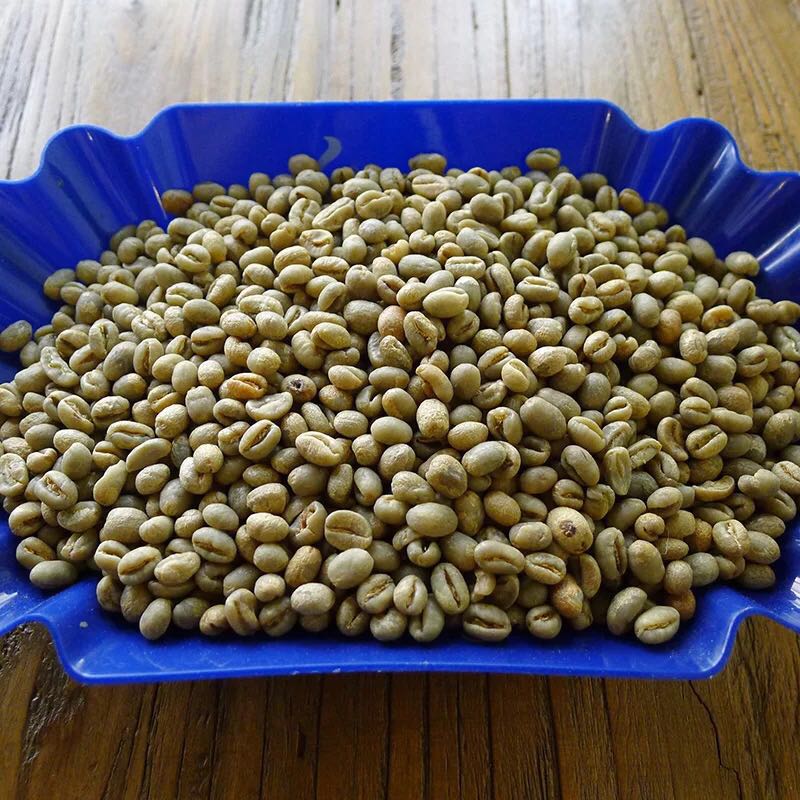
Natural Process Coffee from Bali’s Mount Batur Area
If you’ve ever wondered why some Indonesian coffees feel bold and heavy while others are bright and drinkable any time of day, the answer often lies in origin, processing, and variety. This article explores a specific natural-process coffee grown near Bali’s Mount Batur in the Jintamani volcanic highlands, near Ubud—a region contributing to Indonesia’s diverse coffee identity.
The coffee highlighted here is a naturally processed single origin from the Jintamani Volcano area near Ubud, Bali. It’s known for being clean, refreshing, and easy to enjoy at any time—offering a contrast to Indonesia’s more earthy or spicy profiles.
Indonesia’s Historic Coffee Origins
Coffee arrived in Indonesia in the mid-17th century, introduced by Dutch colonists—some official sources suggest even earlier. By 1712, the first coffee from Java reached Amsterdam. But in 1877, coffee leaf rust devastated plantations, leading to the replacement of Arabica with Robusta trees imported from Africa. Today, just 6–10% of Indonesia’s coffee is Arabica. The country is now the world’s largest Robusta producer, yielding 6.8 million bags annually, with around 90% grown on small farms.
Key Coffee-Growing Regions Across Indonesia
While Java, Sumatra, Sulawesi, and Flores are considered the archipelago’s top coffee regions, each offers a distinct cup:
- Java: Produces refined, lower-acidity coffees with balanced flavours. Historic estates like Blawan, Jambit, Kayumas, and Pankur are notable. Java Mocha is a blend of Java and Yemen Mocha coffees.
- Sumatra: The island’s coffee resembles Java’s but with slightly heavier beans. Mandheling and Ankola are especially prized, with Mandheling noted for having some of the world’s largest beans. Sumatran coffees are typically processed using the wet-hulled (Giling Basah) method, giving them herbal and woody notes.
- Sulawesi (Celebes): Located between Borneo and New Guinea, Sulawesi produces bold, aromatic beans, particularly from the southern regions of Kalossi and Rantepao.
- Flores: Another quality-focused island with unique profiles.
- New Guinea: The Sigri plantation produces well-balanced, full-bodied beans typical of the region.
Flavour and Market Position of Indonesian Coffee
Indonesian coffees are generally rich, syrupy, and well-structured, with pronounced sweetness and bright acidity. Their appeal has made Germany and Japan key export markets, reflecting their high cup quality. Arabica beans from Indonesia are especially valued for their refined profile. These coffees can handle milk or cream without losing integrity. The grading system includes an “AP.0” top tier, though the designation’s meaning remains unclear.
Historically, to cater to consumer expectations shaped by long ocean voyages—where coffee naturally aged during transit—Indonesia developed a “stored” or “voyage-aged” coffee style. These were intentionally held for up to a year to mimic the flavour changes of aged beans. Sold under labels like “Old Government,” “Old Brown,” and “Old Java,” these aged coffees never achieved widespread popularity and remain a niche offering.
Natural Processing in Bali’s Volcanic Highlands
The coffee from the Jintamani Volcano area near Ubud is processed using the natural (dry) method. In this approach, ripe coffee cherries are dried in the sun with the fruit still intact. This method tends to enhance sweetness, body, and fruity notes, while also producing a cleaner, brighter cup compared to other Indonesian regions. The volcanic soils of Mount Batur contribute to the coffee’s mineral richness, and the relatively high elevation supports slow cherry development, leading to greater complexity.
Unlike the heavy, earthy profiles common in Sumatra, this Bali natural offers a more approachable, refreshing cup—making it suitable for everyday drinking. The processing aligns with modern preferences for fruit-forward, easy-to-brew coffees, even within the broader context of Indonesia’s traditionally bold offerings.
Frequently Asked Questions
What makes Bali’s Jintamani coffee different from other Indonesian coffees?
Bali’s Jintamani coffee, processed naturally near Ubud, tends to be brighter, cleaner, and more refreshing than the heavier, earthier profiles typical of Sumatra or Sulawesi. The volcanic soil and high elevation contribute to a sweet, smooth cup that’s easy to drink any time of day.
Why is most Indonesian coffee Robusta?
In 1877, coffee leaf rust destroyed most Arabica plantations in Indonesia. The damaged trees were replaced with Robusta varieties imported from Africa. Today, only 6–10% of Indonesia’s coffee production is Arabica, with Robusta making up the majority and accounting for 6.8 million bags annually.
What is the “stored” or “voyage-aged” coffee style in Indonesia?
To replicate the flavour of aged coffee that resulted from long sea voyages, Indonesian producers began storing coffee beans for up to a year. Sold under names like “Old Government” and “Old Java,” this style never gained wide acceptance due to its muted and inconsistent flavours.
Which Indonesian regions are best known for specialty coffee?
The key specialty coffee regions in Indonesia include Java (notably Blawan and Jambit estates), Sumatra (Mandheling and Ankola), Sulawesi (Kalossi and Rantepao), Flores, and Bali (such as the Jintamani area near Ubud). Each region offers distinct cup profiles based on processing methods, varieties, and terroir.
What does AP.0 mean in Indonesian coffee grading?
AP.0 is the highest grade in the Indonesian coffee classification system, though the specific meaning of the letters is not clearly defined publicly. It generally denotes top-quality beans.
Recommended FrontStreet Beans with a Clean, Sweet Profile
For fans of bright, easy-drinking Indonesian coffees, try FrontStreet’s Lintong Mandheling: a well-balanced single origin with notes of spice, black chocolate, and caramel, offering a sweet finish typical of high-elevation Sumatran beans. For a cleaner cup with a classic profile, the PWN Golden Mandheling delivers toast, pine, cocoa, and deep caramel layers, structured yet smooth. Both beans showcase the refined side of Indonesian Arabica, ideal for filter or espresso. Freshly roasted within 5 days · Orders placed before 17:00 ship the same day · Next-day delivery across most of Guangdong Province.
FrontStreet Coffee is a long-established specialty coffee roaster in Guangzhou China, selling freshly roasted beans from its own farm in Yunnan as well as dozens of carefully selected single-origin beans from around the world for both pour-over and espresso. The products deliver consistently excellent quality and great value, with shipping within 24 hours. Guangzhou's FrontStreet Coffee shop is recommended by many coffee lovers, and the beans are now available online at the Tmall 。
Important Notice :
前街咖啡 FrontStreet Coffee has moved to new addredd:
FrontStreet Coffee Address: 315,Donghua East Road,GuangZhou
Tel:020 38364473