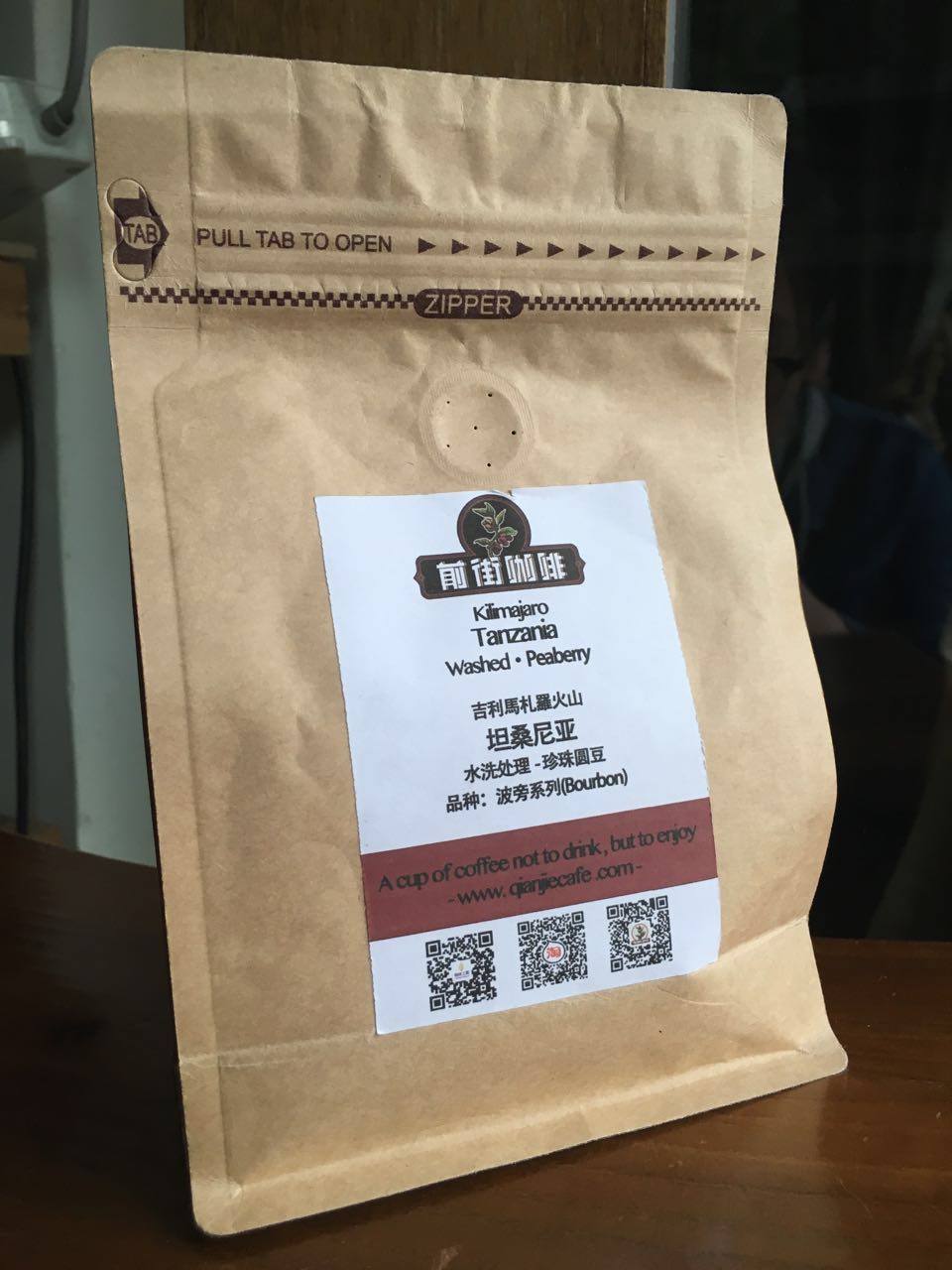
Indonesian Coffee Processing Methods and Origins
If you’ve ever sipped a cup of Indonesian coffee and wondered why it tastes so bold, earthy, and syrupy—almost like it’s been aged—you’re not alone. Indonesian coffees have a reputation for being uniquely rich, but the reasons go far beyond marketing. They stem from geography, processing, and a curious chapter in coffee history that still echoes today.
Indonesia produces around 6.8 million 60kg bags of coffee annually, with 6%–10% being Arabica and the rest mostly Robusta. The country’s signature style often comes from unique processing methods and high-altitude growing regions spread across its vast archipelago.
Where Indonesia’s Coffee Comes From
Coffee cultivation in Indonesia dates back to the mid-17th century when Dutch colonists introduced coffee trees—some sources suggest even earlier. By 1712, the first shipment of Java-grown coffee arrived in Amsterdam. But the industry faced a major blow in 1877 when coffee leaf rust wiped out nearly all Arabica plantations. They were replaced with Robusta trees imported from Africa. Today, just 6%–10% of Indonesia’s output is Arabica, with the majority grown on smallholdings—around 90% of production.
The best-known coffee-growing regions are spread across the archipelago: Java, Sumatra (notably Blawan), Sulawesi, and Flores. Each island contributes its own distinct cup profile shaped by terroir, variety, and processing.
Java: Historical Elegance with Balanced Acidity
Java, the island where coffee first took root in Indonesia, produces refined, aromatic coffees with relatively low acidity and a smooth, balanced profile. Historically, Java coffee had a brighter acidity and fragrance compared to other Indonesian islands. Some of the most respected estates include Blawan, Jambit, Kayumas, and Pankur. A well-known blend, Java Mocha, historically combined Java coffee with Yemeni Mocha beans.
Sumatra: Bold, Earthy, and Distinctly Wet-Hulled
Sumatra, Indonesia’s second-largest island and a major oil and timber exporter, is even more famous for its coffee. The beans are typically heavier in body than those from Java or Sulawesi. Two of the most celebrated origins are Mandheling and Ankola, with Mandheling beans often noted for having some of the world’s largest and densest coffee seeds.
The most iconic processing method here is wet hulling (also called Giling Basah), where coffee is processed at high moisture levels and hulled before fully drying. This contributes to Sumatra’s signature heavy mouthfeel, herbal, and woody aromas. Key growing areas include the Gayo Highlands in Aceh and the Lake Toba region around Lintong, at elevations between 1,100 and 1,600 metres. For a classic example, try a Lintong Mandheling, which offers notes of spice, black chocolate, and caramel, with a sweet finish.
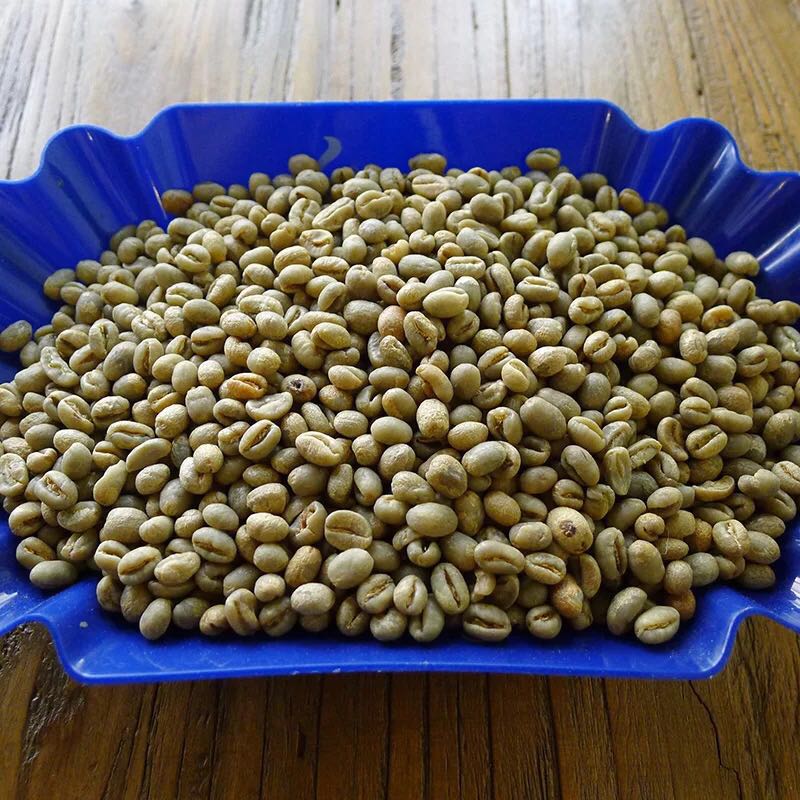
PWN Golden Mandheling, produced by Indonesia’s pioneering coffee exporter PWN (founded 1957), is another standout. After meticulous sorting—including machine screening and hand selection for uniform size and defect-free beans—this coffee delivers intense flavours of toasted bread, pine, caramel, and cocoa. It has a thick, lingering finish with a deep caramel sweetness. PWN’s rigorous selection process makes it one of the most sought-after Indonesian single origins.
Sulawesi and Flores: Unique Island Profiles
Sulawesi, sometimes called Celebes, lies between Borneo and New Guinea. Its coffee is known for full-bodied richness and intense aromatics. The finest beans come from the southern regions of Kalossi and Rantepao. Sulawesi coffees often feature a deep, clean profile ideal for single-origin offerings.
Flores Island, meanwhile, produces beans with similar density and balance. Though less internationally prominent, Flores coffees are part of the broader Indonesian archetype of syrupy, structured cups.
New Guinea and Lesser-Known Regions
New Guinea, particularly the island’s Indonesian side, also contributes to the nation’s coffee output. The Sigri plantation is among its key producers, delivering beans that align with the typical Indonesian profile: full body, good balance, and rich flavour.
Indonesia’s Grading System and Export Legacy
Indonesian coffee is graded into six classes, with AP (often untranslated) considered the highest grade. Despite its quality, Indonesian coffee faced a historical perception issue: by the time it reached European markets by ship, consumers had grown accustomed to the aged taste of coffee transported by sail. To mimic that aged profile, the Indonesian government once stored coffee for up to a year under humid conditions—a practice that produced the so-called “Old Government,” “Old Brown,” and “Old Java” brands. Though no longer officially promoted, these aged-style coffees are still found in niche markets.
Why Indonesians Don’t Drink Their Own Coffee
Interestingly, despite producing some of the world’s most distinctive coffees, Indonesians themselves more commonly drink Turkish-style coffee rather than their famed high-quality Arabica or Robusta brews.
Frequently Asked Questions
What are the main coffee-growing regions in Indonesia?
The primary regions are Java, Sumatra (notably Mandheling and Lintong), Sulawesi (especially Kalossi and Rantepao), and Flores. Each region produces distinct flavour profiles due to differences in altitude, climate, and processing.
What is wet hulling and why is it used in Indonesia?
Wet hulling, or Giling Basah, is a processing method where coffee parchment is removed at a high moisture content (around 30–50%) before the beans are fully dried. This technique is common in Sumatra and contributes to the heavy body, low acidity, and earthy flavours typical of Indonesian coffees.
What percentage of Indonesian coffee is Arabica?
Only about 6%–10% of Indonesia’s coffee production is Arabica. The majority is Robusta, which is more disease-resistant and easier to grow at lower altitudes.
What is PWN Golden Mandheling?
PWN Golden Mandheling is a premium, hand-selected Mandheling coffee from North Sumatra. It undergoes rigorous sorting and is known for its rich flavours of toast, pine, caramel, and cocoa, with a long caramel-sweet finish.
Why do some Indonesian coffees taste aged?
Historically, some Indonesian coffees were intentionally stored for up to a year to replicate the aged flavour profile preferred by European markets. These are sold under labels like “Old Government” or “Old Java,” though the practice is less common today.
Recommended FrontStreet Beans for Indonesian Coffee Fans
For a true taste of Indonesia, try FrontStreet’s Lintong Mandheling, known for its spicy, chocolatey profile with sweet undertones. Also highly recommended is the PWN Golden Mandheling, famed for its toasted bread, pine, and caramel notes with a luscious caramel finish. Both showcase the bold, structured cup qualities typical of Sumatran coffee. Freshly roasted within 5 days · Orders placed before 17:00 ship the same day · Next-day delivery across most of Guangdong Province.
FrontStreet Coffee is a long-established specialty coffee roaster in Guangzhou China, selling freshly roasted beans from its own farm in Yunnan as well as dozens of carefully selected single-origin beans from around the world for both pour-over and espresso. The products deliver consistently excellent quality and great value, with shipping within 24 hours. Guangzhou's FrontStreet Coffee shop is recommended by many coffee lovers, and the beans are now available online at the Tmall 。
Important Notice :
前街咖啡 FrontStreet Coffee has moved to new addredd:
FrontStreet Coffee Address: 315,Donghua East Road,GuangZhou
Tel:020 38364473