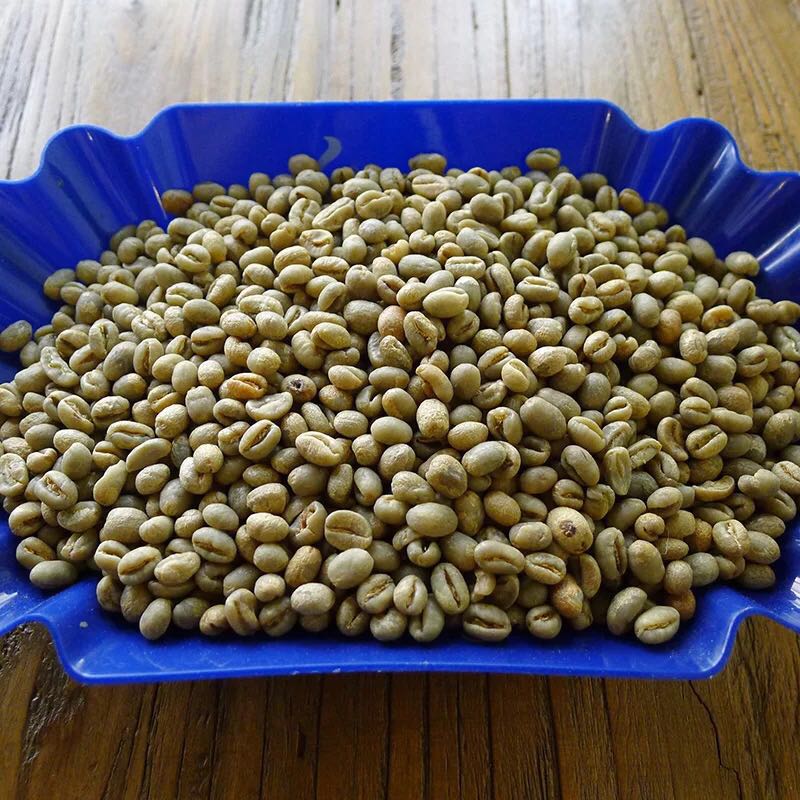
Papua New Guinea Coffee Beans: What Makes Them Special?
When you buy a bag labeled 'Papua New Guinea', you’re likely holding beans grown on tiny, remote farms nestled 1300 to 1800 meters above sea level—often in dense forests with little road access. But why does origin matter so much for this coffee, and what challenges have shaped its current quality? This guide breaks down everything from farm scale to flavor profiles, using hard data from PNG’s coffee history.
Papua New Guinea coffee is almost entirely grown on smallholder farms at high altitudes (1300–1800m), resulting in high-quality washed beans. Most production is A or AB grade; AA is rare. Key characteristics include medium body, mild acidity, and a sweet, lingering finish. The best examples show fruity and nutty notes typical of well-processed highland Typica.
The Roots of PNG Coffee Production
About 75% of Papua New Guinea’s coffee comes from small local farms, many carved from forested or isolated highland areas. These farms sit between 1300 and 1800 meters above sea level—the altitude crucial for developing complex cup qualities. While some lowland plantings exist, they contribute minimally to overall output. Due to rugged terrain and high transport costs, most farmers rely on natural nutrient cycles rather than synthetic fertilizers or pesticides.
How PNG Coffee Became a Global Player
In 1975, a major frost devastated Brazil’s coffee crop, creating an opening for other origins—including Papua New Guinea. The government launched a program to help rural communities establish around 20-hectare coffee estates. By 1990, annual production hit one million 60kg bags. This rapid scale-up, however, came at a cost: inconsistent quality that led to the loss of key European markets and the devaluation of the once-premium Y-grade designation.
Quality Crisis and Recovery
Until 1991, most PNG coffee was graded as Y-grade and commanded a premium. But post-1991, quality dropped significantly, leading to market rejection and surplus stock. The government responded by discontinuing the Y-grade, scrapping the 'one price for all grades' policy, and introducing stricter quality tiers. This shift allowed buyers to pay based on actual cup quality. By 1993, the problems were largely resolved, and former buyers returned. Today, A and AB grades dominate the market, with A-grade beans valued for their balanced profile and modest acidity.
Growing Conditions and Processing
PNG’s coffee thrives in highland environments characterized by volcanic soils, high humidity, and consistent rainfall. Farms are typically shaded and managed organically due to logistics challenges. The vast majority of PNG coffee is processed using the washed (wet) method, which enhances clarity and brightness in the cup. Elevation and traditional techniques contribute to the distinctive fruit-and-nut profiles that distinguish PNG beans from other Southeast Asian origins.
Flavor Profile and Market Grades
Most commercially available PNG coffee falls into A or AB grades. A-grade beans are noted for their full body, mild acidity, and sweet, lingering aftertaste. AB grade offers slightly more intensity and complexity. AA grade exists but is extremely rare. The classic PNG flavor profile includes notes of nuts, stone fruit, and subtle spice, often with a clean, bright acidity that appeals to drinkers seeking a balanced single origin.
Frequently Asked Questions

Where is Papua New Guinea coffee grown?
Papua New Guinea coffee is grown almost exclusively in highland regions at elevations between 1300 and 1800 meters. Most farms are smallholder operations located in remote, forested areas across the island’s eastern mountainous zones.
What coffee varieties are grown in Papua New Guinea?
The majority of coffee planted in Papua New Guinea is the Typica variety, originally brought from Jamaica’s Blue Mountain region. The island’s high altitude and climate closely match those of Blue Mountain, allowing the plants to thrive.
What are the main coffee grades in PNG?
PNG coffee is graded into several levels, with A and AB being the most commonly exported. A-grade beans are known for their balanced cup and mild acidity, while AB grade offers a bit more body and intensity. Y-grade was historically premium but is now rarely used following quality reforms.
How is coffee processed in Papua New Guinea?
Nearly all commercial PNG coffee is processed using the washed (wet) method. This involves removing the coffee cherry skin and fermenting the beans before washing and drying them. The washed process highlights the beans’ inherent acidity and clarity.
Why did PNG coffee lose its market position in the 1990s?
Rapid production increases in the 1980s led to inconsistent quality control. By 1991, the once-premium Y-grade coffee had declined in quality, resulting in market rejection. The government later reformed grading policies to restore buyer confidence by pricing beans based on actual quality.
What does modern PNG coffee taste like?
High-quality PNG coffee typically presents a medium body, mild acidity, and a clean, sweet finish. Common tasting notes include nuts, stone fruits, and subtle spices. The best examples, especially from higher altitudes, show bright and balanced profiles ideal for single-origin offerings.
Recommended FrontStreet Beans from Papua New Guinea
Try FrontStreet’s Paradise Bird, a single-origin PNG from the Sigri Estate. It’s a washed coffee grown at high elevation and processed with meticulous care—handpicked, fermented in clean water, and sun-dried on raised beds. Expect a bright cup with notes of toasted bread, nuts, and a unique spicy finish. It’s medium-roasted to highlight balance and complexity, making it great for filter or pour-over. Freshly roasted within 5 days · Orders placed before 17:00 ship the same day · Next-day delivery across most of Guangdong Province.
FrontStreet Coffee is a long-established specialty coffee roaster in Guangzhou China, selling freshly roasted beans from its own farm in Yunnan as well as dozens of carefully selected single-origin beans from around the world for both pour-over and espresso. The products deliver consistently excellent quality and great value, with shipping within 24 hours. Guangzhou's FrontStreet Coffee shop is recommended by many coffee lovers, and the beans are now available online at the Tmall 。
Important Notice :
前街咖啡 FrontStreet Coffee has moved to new addredd:
FrontStreet Coffee Address: 315,Donghua East Road,GuangZhou
Tel:020 38364473