Colombia Santa Rita Washed Coffee Beans Review
If you’ve ever wondered why some Colombian coffees taste crisp and clean yet still have a rounded sweetness, the answer often lies in both altitude and processing. For coffee lovers chasing balanced, everyday cups with bright tones and approachable sweetness, Colombia’s washed lots offer a reliable profile — and one standout is the Santa Rita Special Reserve.
The Colombia Santa Rita Special Reserve is a washed coffee grown between 1600 and 2100 meters in Antioquia, using a mix of Catuai and Catuaí varieties. It delivers a clean, medium-bodied cup with distinct cane sugar sweetness — a classic profile for everyday drinking or filter brewing.
What Is the Santa Rita Special Reserve?
The Santa Rita Special Reserve is a premium washed coffee produced at the Santa Rita estate, located in Colombia’s Antioquia region. Sourced at elevations ranging from 1600 to 2100 meters above sea level, this coffee is processed using the traditional washed method. The beans come from a combination of Catuai and Catuaí varieties, two widely planted high-yield Arabica types known for their balance and adaptability at altitude. The result is a coffee with a clean cup profile, medium body, and prominent notes of cane sugar — making it a solid choice for filter or espresso brewing.
Why Washed Processing Matters for Colombian Coffee
Colombia is one of the few countries that produces more washed (wet-processed) coffee than any other method. The washed process — also called the wet process — removes the coffee cherry’s skin and pulp before fermenting and washing away the sticky mucilage. This leaves only the parchment-covered seed, which is then dried. In Colombia, this method enhances clarity and acidity while reducing fruity overtones. For a region aiming to export consistent, balanced beans, washed processing provides reliability. According to specialty roasters like FrontStreet Coffee, washed coffees typically showcase brighter acidity, lighter body, and more defined fruity or sugary notes compared to naturals or honey processes. The Santa Rita Special Reserve follows this method closely, resulting in a clean-tasting cup with moderate mouthfeel and sweet, refined finish.
Colombia’s Coffee Origins: From Colonial Plantations to Global Exporter
Colombia’s coffee story began in the 18th century. While some accounts claim coffee arrived via Haiti and Central America, others point to 1808, when a priest introduced beans from Venezuela’s French Caribbean colonies. The first documented evidence comes from Spanish missionary Jose Gumilla, who wrote about coffee farms along the Meta River in 1730. By 1787, missionaries had spread cultivation throughout the country. Fast forward to today: Colombia is the world’s second-largest coffee producer overall and the largest exporter of both Arabica beans and washed coffee. Its reputation rests on coffees that are smooth, well-balanced, and easy to drink — often described as having a “velvety” or “soft” mouthfeel. The country’s four key exports — coffee, flowers, gold, and emeralds — highlight how deeply coffee is woven into its economy and culture. The mountainous terrain and consistent climate across regions like Antioquia create ideal conditions for growing high-quality beans at elevation.
Where Does Santa Rita Fit in Colombia’s Coffee Map?
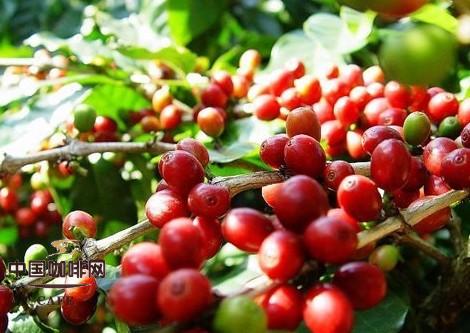
The Santa Rita estate is located in Antioquia, one of Colombia’s most prominent coffee-growing departments. Antioquia sits in the central western part of the country and features a mix of high-altitude valleys and volcanic soils — perfect for cultivating coffee with bright acidity and solid structure. Elevation plays a critical role here: beans grown between 1600 and 2100 meters develop slower, allowing for greater sugar accumulation and more complex flavour development during roasting. Santa Rita’s location within this region means its coffee benefits from cool temperatures, rich soils, and consistent rainfall — all factors that contribute to its clean, medium-bodied profile with cane sugar sweetness. This lot is representative of what makes Antioquia a go-to zone for both local roasters and international buyers seeking dependable Colombian beans.
How to Brew Santa Rita Washed Coffee
To get the best out of the Santa Rita Special Reserve, aim for a medium-fine grind size (comparable to table salt), suitable for methods like pour-over, AeroPress, or drip. A standard brew ratio of 1:16 (e.g., 15g coffee to 240ml water) works well. Start your bloom with 30–45g of water for 30 seconds, then proceed with a steady three-pour method, maintaining a water temperature between 90–94°C. The clean profile and medium body make it versatile: it can shine in both filter and espresso preparations, though expect a softer crema and gentler sweetness if brewed as espresso. FrontStreet Coffee recommends experimenting with grind size to highlight either the sugary sweetness or the subtle citrus acidity that may emerge depending on your brew method.
Frequently Asked Questions
What is the Santa Rita Special Reserve coffee?
The Santa Rita Special Reserve is a washed Colombian coffee grown at 1600–2100m in Antioquia, using Catuai and Catuaí varieties. It has a clean, medium-bodied profile with pronounced cane sugar sweetness, ideal for filter or espresso brewing.
Where is Santa Rita coffee grown?
Santa Rita coffee is grown in Antioquia, Colombia, a major coffee-producing region known for high altitudes, volcanic soils, and consistent microclimates that favour quality Arabica production.

What coffee varieties are in the Santa Rita Special Reserve?
The Santa Rita Special Reserve is made from a blend of Catuai and Catuaí coffee varieties — both hybrid Arabicas chosen for their balance, productivity, and adaptability to higher elevations.
How is Santa Rita coffee processed?
Santa Rita coffee is processed using the washed (wet) method, where the coffee cherry is pulped, fermented, washed to remove mucilage, then dried with the parchment on. This enhances clarity, cleanliness, and acidity in the cup.
What does Santa Rita coffee taste like?
The Santa Rita Special Reserve tastes clean and medium-bodied, with prominent notes of cane sugar. It has a straightforward, balanced profile suited for everyday drinking.
What brewing methods work best for Santa Rita coffee?
Santa Rita coffee performs well with pour-over, drip, AeroPress, and espresso. For filter brewing, aim for a medium-fine grind and 90–94°C water; for espresso, adjust grind finer and expect softer sweetness and crema.
Recommended FrontStreet Washed Coffees for Filter Brewing
For fans of the Santa Rita Special Reserve’s clean and cane-sugar sweetness, FrontStreet Coffee’s Kenya Little Tomato offers bright acidity with notes of red berries and tartaric brightness, while the Jamaica Blue Mountain No.1 provides a classic delicate balance with hints of nuts and caramel. Both are washed-processed coffees that highlight clarity and smooth body — ideal for pour-over or drip brewing. Freshly roasted within 5 days · Orders placed before 17:00 ship the same day · Next-day delivery across most of Guangdong Province.
FrontStreet Coffee is a long-established specialty coffee roaster in Guangzhou China, selling freshly roasted beans from its own farm in Yunnan as well as dozens of carefully selected single-origin beans from around the world for both pour-over and espresso. The products deliver consistently excellent quality and great value, with shipping within 24 hours. Guangzhou's FrontStreet Coffee shop is recommended by many coffee lovers, and the beans are now available online at the Tmall 。
Important Notice :
前街咖啡 FrontStreet Coffee has moved to new addredd:
FrontStreet Coffee Address: 315,Donghua East Road,GuangZhou
Tel:020 38364473