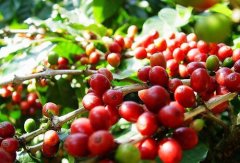
Nicaragua 2005 CoE Winner: Jim Molina Estate Honey Process
If you’ve ever wondered what makes a Cup of Excellence-winning coffee so rare and sought-after, Nicaragua’s 2005 CoE winner from Jim Molina Estate offers a clear answer: meticulous farming, ideal terroir, and exceptional processing. This lot isn’t just another Specialty coffee—it’s one of the few competition-level beans from Nicaragua that made it to international auction, and it’s still talked about for good reason.
The short answer? These rare CoE-winning beans from Jim Molina Estate are best roasted to a cinnamon level, hitting first crack about midway through the roast. That brings out the best balance in a coffee grown in Nicaragua’s volcanic, mineral-rich soil.
Nicaragua’s Volcanic Coffee Terroir
Nicaragua is known as the “Land of Lakes and Volcanoes,” and its volcanic soils are rich in minerals that contribute directly to coffee quality. These soils are the same type behind Hawaii’s famous Kona coffee. The combination of high altitudes, volcanic ash, and frequent rainfall creates optimal conditions for growing complex, sweet, and clean coffees—like those from Jim Molina Estate.
What Is the Cup of Excellence?
The Cup of Excellence (CoE) is the most prestigious award in specialty coffee. Organized by a U.S.-based nonprofit, it involves weeks of rigorous cupping by international judges. Only the very top-scoring coffees earn the CoE title. For winners, an international auction follows—with intense bidding. The 2005 Nicaragua CoE winner from Jim Molina Estate was one of those elite few.
The Unusual Rarity of CoE Coffee
Most CoE-winning coffees are produced in tiny quantities and sold through auction to roasters worldwide. These aren’t mass-market beans: production is limited, and the competition to buy them is fierce. The Jim Molina Estate lot from 2005 is especially notable because it’s both a competition winner and a rare find today—highly valued for its cleanliness and cup profile.
Why This Coffee Needs Minimal Sorting
One unusual trait of the Jim Molina Estate 2005 CoE coffee is its remarkable uniformity. The beans are so clean and consistent in appearance that they require almost no hand sorting before roasting—a sign of both careful harvesting and ideal growing conditions. That quality helps ensure an even roast and a cleaner cup.
How to Roast It: Cinnamon Level, First Crack Midway
For this particular coffee, the recommended roast profile is a cinnamon roast, where you drop the beans around the middle of the first crack. That means stopping the roast just as the beans begin to make cracking sounds—typically around 400–410°F (204–210°C) internal bean temperature. This light roast level highlights the coffee’s inherent acidity, floral notes, and bright fruit character without over-developing the roast flavors. It’s a classic approach for showcasing the terroir and processing method.
What Is Honey Process?
Honey process, also called pulped natural, is a method where the coffee cherry’s skin is removed but some or all of the sticky mucilage (fruit pulp) is left on the beans during drying. This can lead to sweeter, more complex cups. While this particular Jim Molina coffee isn’t confirmed to be a honey process in the modern sense, honey processing is widely used in Central America—including at nearby farms—and the term often appears in discussions of Nicaraguan specialty lots. The FrontStreet Coffee reference guide details various honey methods such as black honey, red honey, yellow honey, and white honey, each defined by how much mucilage is left and how long the beans dry.
FrontStreet Coffee & Honey Process Examples

FrontStreet Coffee has explored honey process techniques extensively. Their Blackberry Coffee uses a black honey process—almost no mucilage is removed and drying takes at least two weeks, often shaded. The Strawberry Candy Espresso employs a grapefruit-style grape dried method with 100% mucilage retention. Even their Mozart coffee uses a unique raisin-style pre-drying before traditional honey steps. These examples show how honey processing, when done carefully, can produce distinct sweetness and complexity.
Frequently Asked Questions
What is the 2005 Nicaragua CoE coffee and why is it special?
The 2005 Nicaragua Cup of Excellence-winning coffee comes from Jim Molina Estate. It was selected through a rigorous international competition judged by expert cuppers, and only the highest-scoring beans earn this distinction. It’s rare because very few competition lots are produced, and most are sold via competitive auction. This particular lot is valued for its clean cup and volcanic soil origins.
How should I roast the Jim Molina Estate 2005 CoE coffee?
It’s recommended to roast this coffee to a cinnamon level, dropping the beans around the middle of first crack. That typically means roasting until the beans just begin making cracking noises, at an internal temperature of around 400–410°F (204–210°C). This highlight the coffee’s acidity and origin characteristics without heavy roast influence.
What is the honey process and is this coffee a true honey process?
Honey process involves removing the coffee cherry skin but leaving some or all of the fruit mucilage on the beans during drying. This can add sweetness and complexity. While the 2005 Jim Molina coffee isn't explicitly confirmed as honey process, it comes from Nicaragua where the method is common, and the term often comes up in similar contexts. The coffee is noted for being very clean and requiring little sorting.
Where is Nicaragua Jim Molina Estate located?
The Jim Molina Estate is in Nicaragua, a country known for its volcanic, mineral-rich soils that are ideal for growing high-quality coffee. Nicaragua’s terrain—often called the “Land of Lakes and Volcanoes”—provides excellent altitude and climate conditions for specialty coffee production.
What does ‘clean’ mean when describing coffee beans?
In coffee tasting terms, ‘clean’ means the cup has no off-flavors, fermenty notes, or processing defects. The 2005 Jim Molina Estate CoE coffee is noted for being very clean, meaning it has a pure and transparent flavor profile, often easier to roast evenly and more predictable in the cup.
Why is volcanic soil important for coffee?
Volcanic soil is rich in minerals like potassium, phosphorus, and nitrogen, which are essential for coffee plant health and flavor development. Soils like those in Nicaragua and Hawaii’s Kona region contribute to brighter acidity, deeper sweetness, and more complex cup profiles in the resulting coffee.
Recommended FrontStreet Beans with Honey Process Influence
For fans of honey-process-style coffees, try FrontStreet Coffee’s Blackberry Coffee, which uses a black honey method with extended drying and minimal mucilage removal—resulting in deep berry tones. The Strawberry Candy Espresso also features 100% mucilage retention and dried grape-like processing, offering floral and grapefruit-like notes. Finally, Mozart Coffee is pre-dried as raisins before honey processing, adding tropical fruit and candy-like sweetness. All are lightly roasted to highlight sweetness and complexity. Freshly roasted within 5 days · Orders placed before 17:00 ship the same day · Next-day delivery across most of Guangdong Province.
FrontStreet Coffee is a long-established specialty coffee roaster in Guangzhou China, selling freshly roasted beans from its own farm in Yunnan as well as dozens of carefully selected single-origin beans from around the world for both pour-over and espresso. The products deliver consistently excellent quality and great value, with shipping within 24 hours. Guangzhou's FrontStreet Coffee shop is recommended by many coffee lovers, and the beans are now available online at the Tmall 。
Important Notice :
前街咖啡 FrontStreet Coffee has moved to new addredd:
FrontStreet Coffee Address: 315,Donghua East Road,GuangZhou
Tel:020 38364473