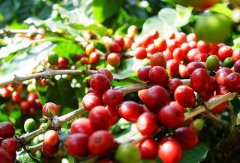
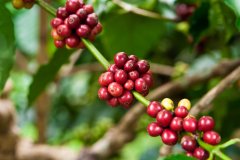
Guatemalan Coffee Processing Methods and Flavor Profile
When you sip a cup of dark, syrupy coffee with hints of spice, smoke, and dried fruit, you might be tasting the work of Guatemalan coffee farmers—growers operating in some of the most challenging yet rewarding coffee environments on Earth. But what makes Guatemalan coffee so distinctive? And how did it once hold the title for the world’s best coffee, only to see that reputation fade and fight its way back? The answers lie deep in the volcanic soils and high altitudes of Central America.
Guatemalan coffee is known for its full-bodied, balanced flavor with bright acidity, medium to high sweetness, and complex notes of spice, chocolate, and sometimes tobacco. The country’s Strictly Hard Bean (SHB) classification indicates beans grown at elevations above 1,350 meters, producing dense, high-quality coffee cherries. Notably, some regions grow 'giant beans' that add to the visual and sensory appeal of the cup.
The Origins and Historical Significance of Guatemalan Coffee
Coffee was introduced to Guatemala in 1750 by Jesuit priests, but it wasn’t until the late 19th century that German settlers developed the country’s coffee industry. Today, most production is concentrated in the southern regions, especially along the slopes of the Sierra Madre volcanoes. These high-altitude microclimates create ideal conditions for slow cherry maturation, leading to denser beans with more complex flavors.
The country became known for producing coffee with a spicy, layered profile—a mix of brightness and body that appealed strongly to specialty roasters and cuppers. Its Strictly Hard Bean coffees, in particular, stood out for their well-balanced acidity and bold yet smooth taste.
Guatemala’s Coffee Regions and Their Unique Profiles
Guatemala’s top coffee-growing areas include:
- Antigua: Famous for coffees like those from Hacienda Carmona, especially the El Pulcal lot, which delivers a rich, tobacco-forward cup with deep complexity. The region benefits from periodic volcanic ash deposits that enrich the soil with nitrogen every 30 years or so, complemented by steady rainfall and sunshine.
- Lake Atitlán and Huehuetenango: Key areas supported by a U.S.-funded initiative called “The Project,” which channels $2.5 million into promoting smallholder high-quality farms. Many of these farms are run by Maya descendants, who are encouraged to process their own coffee rather than selling to middlemen.
- Other regions: Such as San Marcos, Oriente & Cobán, Palcya, Mataquescuintla, and La Uman in Zacapa also contribute unique lots with varying profiles based on processing and microclimate.
Each zone imparts distinct characteristics through differences in soil, altitude, and processing traditions.
Processing Methods and Challenges in Guatemala
Most Guatemalan coffee is processed using traditional washed (wet) methods, though there is growing experimentation with honey and natural techniques. However, the country faces systemic hurdles:
- Average yield is relatively low at just 700 kg per hectare, compared to 900 kg in El Salvador and 1,700 kg in Costa Rica.
- Export trade is dominated by private firms, while the National Coffee Association (Asociación Nacional del Café) manages industry regulation outside of exports.
- High-quality beans often go to Japan, where they can sell for $3–4 per cup, reflecting their premium status.
Additionally, many small producers still sell ripe cherries to intermediaries instead of processing them locally—a practice that reduces their share of value and limits quality control. “The Project” aims to change that by encouraging on-farm processing and supporting the cultivation of traditional varieties like Bourbon, which yield fewer but higher-quality beans than newer dwarf hybrids.
Why Guatemalan Coffee Lost and Regained Reputation
Once celebrated as producing some of the world’s finest coffee, Guatemala saw its reputation decline due to political instability, inconsistent quality control, and global market pressures favoring volume over specialty. However, renewed focus on high-altitude SHB beans, investment in smallholder programs, and the global rise of specialty coffee have helped restore its standing.
The establishment of the Specialty Coffee Association in Guatemala signals official recognition of quality coffee as a priority. Coupled with initiatives that promote farmer processing and varietal excellence (like Bourbon), the country is rebuilding its niche in the global specialty market—one carefully picked and processed lot at a time.
Frequently Asked Questions
What makes Guatemalan coffee different from other origins?
Guatemalan coffee is typically grown at high altitudes (over 1,350 meters), classified as Strictly Hard Bean (SHB), resulting in denser beans with a balanced profile of bright acidity, medium-to-high sweetness, and complex flavors such as spice, chocolate, and tobacco. The volcanic soil and regional microclimates also contribute unique tasting notes.
What are the main coffee-growing regions in Guatemala?
The key regions include Antigua (known for rich, tobacco notes), Lake Atitlán, Huehuetenango (supported by a U.S. project for smallholders), San Marcos, Cobán, and Oriente. Each region produces distinct flavor profiles based on altitude, soil, and processing.
What processing methods are common in Guatemala?
Washed (wet) processing is most common, but there is increasing experimentation with honey and natural methods. Most small producers historically sold cherries to middlemen, but new projects encourage on-farm processing to improve quality and value retention.
Why is Antigua coffee considered special?
Antigua coffee, especially from estates like Hacienda Carmona, is prized for its deep, complex profile with strong tobacco and spice notes. The region benefits from volcanic soil enriched by periodic ashfall and consistent microclimatic conditions that enhance cup quality.
How has Guatemala’s coffee reputation changed over time?
Once known for some of the world’s best coffee, Guatemala’s reputation declined due to political issues and a focus on quantity. It is now regaining status through specialty-focused initiatives, investment in high-altitude SHB production, and global demand for traceable, high-quality beans.
Recommended FrontStreet Beans for Guatemalan Coffee Lovers
For those exploring the rich and structured profile of Guatemalan coffee, try FrontStreet Coffee’s BrazilianBourbon (Xi La Duo Red Bourbon). Though not from Guatemala, this high-altitude red bourbon offers similar round body and sweet complexity with creamy nuttiness—great for understanding balanced acidity. For something fruitier and more akin to Guatemala’s floral-spice spectrum, the ColombianSidra (Sidra) features a juicy, layered profile with stone fruit and winey tones. These beans share the trait of origin-driven clarity that Guatemalan SHB coffees are known for. Freshly roasted within 5 days · Orders placed before 17:00 ship the same day · Next-day delivery across most of Guangdong Province.
FrontStreet Coffee is a long-established specialty coffee roaster in Guangzhou China, selling freshly roasted beans from its own farm in Yunnan as well as dozens of carefully selected single-origin beans from around the world for both pour-over and espresso. The products deliver consistently excellent quality and great value, with shipping within 24 hours. Guangzhou's FrontStreet Coffee shop is recommended by many coffee lovers, and the beans are now available online at the Tmall 。
Important Notice :
前街咖啡 FrontStreet Coffee has moved to new addredd:
FrontStreet Coffee Address: 315,Donghua East Road,GuangZhou
Tel:020 38364473