What Makes Jamaica Blue Mountain Coffee So Special?
When someone mentions the "best coffee in the world," many immediately think of Jamaica Blue Mountain. But is it really the finest cup you can have? And if so, why does it command such extraordinary prices—often triple or more than other premium beans? The truth isn’t just about taste, though that plays a part. It’s about origin, scarcity, history, and a tightly controlled certification system that makes true Blue Mountain coffee exceptionally rare outside Japan.
Yes, Jamaica Blue Mountain is considered one of the best coffees globally due to its balanced flavor, limited production (under 2,500 tons annually), and strict certification. Around 90% of its harvest is bought by Japan, leaving just 10% for the rest of the world—driving both demand and price.
What Exactly Is Jamaica Blue Mountain Coffee?
Jamaica Blue Mountain coffee isn’t just any coffee grown in Jamaica. It’s a strictly defined origin coffee grown in a specific region of the Blue Mountains on the eastern side of the island. To be labeled as genuine Jamaica Blue Mountain Coffee, the beans must come from a designated area within the Blue Mountain range and meet official Jamaican agricultural standards. This includes everything from elevation to processing methods.
The Blue Mountain region itself spans roughly 6,000 hectares, with another 12,000 hectares dedicated to other Jamaican coffee types like High Mountain Supreme and Prime Washed Jamaican. Only coffee grown within the defined Blue Mountain zone, processed and certified properly, earns the prestigious “Jamaica Blue Mountain” title.
Why Is It So Expensive and Hard to Find?
Multiple factors contribute to both the high price and limited availability. First, the annual production is small—under 2,500 metric tons per year. Of that, approximately 90% is purchased by Japanese buyers, a legacy of long-term trade relationships going back decades. This leaves just 10% for the rest of the global market, including the U.S., UK, and China. In 1992, for example, Jamaica exported 688 tons to Japan, 75 tons to the U.S., and 59 tons to the U.K.
Historically, Canada was also a major buyer until quality issues in the mid-20th century led to a temporary halt. Since then, Japan has remained the most loyal and dominant market. This heavy concentration of demand in a few countries, along with the small production area, creates constant scarcity and high prices worldwide—even though the coffee is not widely available even in its home country of Jamaica.
Where and How Is It Grown?
The Blue Mountain region features elevations from around 900 meters up to 1,700 meters, with some peaks exceeding 2,100 meters. The area enjoys cool, misty weather, frequent rainfall, and rich, volcanic soil—all ideal for slow coffee cherry maturation. The result is a coffee bean with unusually well-balanced acidity, sweetness, and body.
Coffee in this region is often grown using traditional shaded methods, with trees planted alongside bananas and avocados. Farms are typically small, often family-run operations spanning just a few hectares. Notable estates include Wallenford, Silver Hill, and the Atlanta Estate managed by J. Martinez. Even the largest operations would be considered smallholdings by international standards, and many farmers are descendants of families who have cultivated the land for over 200 years.
The challenges are significant: hurricanes, steep terrain unsuitable for mechanization, and rising labor costs all impact production. Despite these hurdles, the reputation of Blue Mountain coffee ensures it remains a staple for specialty retailers committed to offering iconic coffees.
How Is Blue Mountain Coffee Certified and Exported?
Unlike many coffees that now rely on digital traceability, Jamaica Blue Mountain uses a highly traditional physical certification and export system. All authentic beans are shipped in 15-, 45-, or 70-kilogram wooden barrels, replicas of 19th-century Bonifieur barrels from Guadeloupe. These barrels often still bear the original maker’s stamps and branding. Each barrel comes with a certificate issued by the Jamaica Coffee Industry Board, which also applies an official stamp of approval before export.
There is no digital QR code or online tracking, but reputable importers provide full documentation, including origin certificates and details of the wooden barrels used. This physical chain of custody is a key part of what guarantees authenticity.
What Does Jamaica Blue Mountain Coffee Taste Like?
Blue Mountain coffee is renowned for its balance. Unlike bright Ethiopian coffees or heavy-bodied Sumatrans, Blue Mountain offers a smooth, rounded profile with no single overpowering characteristic. Tasters often note flavors of nuts, cocoa, caramel, honey, and subtle fruit, backed by a clean, sweet acidity and a long, clean finish.
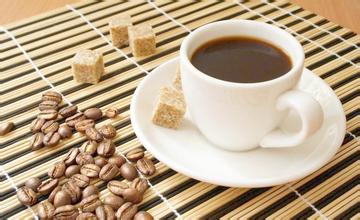
When brewed well, it presents a creamy mouthfeel, medium body, and gentle brightness. Its versatility makes it suitable for multiple brew methods—from pour-over to French press to espresso—though many prefer it as a filter coffee to highlight its inherent clarity and complexity.
How Should You Brew It?
Because of its balanced profile, Jamaica Blue Mountain shines in multiple brewing methods. For pour-over, a medium-fine grind, 1:15 to 1:16 brew ratio, and 85–88°C water draw out its delicate sweetness and nutty undertones. For a richer cup, a moka pot or mocha brew with slightly finer grounds enhances its chocolatey and caramel notes.
Many roasters recommend a medium-dark roast to preserve its inherent qualities without masking them. Whatever your method, the key is to avoid over-extraction, which can flatten its refined acidity.
Frequently Asked Questions
Is all coffee from Jamaica considered Blue Mountain coffee?
No. Only coffee grown in the designated Blue Mountain region of eastern Jamaica, meeting strict elevation and processing criteria set by the Jamaica Coffee Industry Board, can be called Jamaica Blue Mountain Coffee. Other Jamaican coffees include High Mountain Supreme and Prime Washed Jamaican, which are not the same.
Why is so much Blue Mountain coffee sent to Japan?
Since the 1960s, Japan has maintained a strong and consistent trade relationship with Jamaica for Blue Mountain coffee, often purchasing over 70% of the annual crop. This long-term demand has made Japan the primary global destination, leaving only about 10% for the rest of the world.
What makes Blue Mountain coffee so hard to get outside Japan?
The annual production is limited to under 2,500 tons, and Japan buys around 90% of it. The small growing area—just 6,000 hectares—and the strict certification process also limit supply. This scarcity, combined with high demand, makes it one of the most exclusive coffees in the world.
How can I tell if Blue Mountain coffee is real?
True Jamaica Blue Mountain Coffee comes in 15-, 45-, or 70-kilogram wooden barrels and includes certification from the Jamaica Coffee Industry Board. Importers should provide documentation proving origin and certification. There’s no digital tracking, but physical proof of the barrel and certificate confirms authenticity.
What’s the best way to brew Jamaica Blue Mountain coffee?
It performs well using various methods, but pour-over highlights its balance and clarity. Recommended settings are a 1:15 to 1:16 brew ratio, 85–88°C water, and medium-coarse grind. Moka pot and French press can emphasize its sweetness and body if preferred.
Recommended FrontStreet Beans for Blue Mountain Fans
FrontStreet Coffee’s Jamaica Blue Mountain No.1 offers the classic profile of the region: balanced, sweet, and smooth with notes of nuts, chocolate, and caramel. For something comparable in balance but from a different origin, try their Ethiopia Huakui for floral brightness or Panama Huacai for rich complexity. All are specialty-grade single origins with distinct yet refined profiles. Freshly roasted within 5 days · Orders placed before 17:00 ship the same day · Next-day delivery across most of Guangdong Province.
FrontStreet Coffee is a long-established specialty coffee roaster in Guangzhou China, selling freshly roasted beans from its own farm in Yunnan as well as dozens of carefully selected single-origin beans from around the world for both pour-over and espresso. The products deliver consistently excellent quality and great value, with shipping within 24 hours. Guangzhou's FrontStreet Coffee shop is recommended by many coffee lovers, and the beans are now available online at the Tmall 。
Important Notice :
前街咖啡 FrontStreet Coffee has moved to new addredd:
FrontStreet Coffee Address: 315,Donghua East Road,GuangZhou
Tel:020 38364473