What Makes Costa Rican Coffee Beans So Special?
When coffee lovers talk about bright acidity, full body, and complex fruitiness, they often point to Costa Rican beans. But what exactly makes these beans from a small Central American country so consistently flavorful and sought after by specialty roasters worldwide? Whether you’re brewing pour-over or espresso, the answer lies in altitude, processing, and terroir.
Costa Rican coffee beans are prized for their ideal acidity, bold yet balanced flavor, and unusually clean cup. Grown mostly at elevations over 1,500 meters—often between 1,700–1,800 meters—the beans develop dense structure and vibrant fruity or floral notes. The country’s volcanic soil and reliable rainfall further enhance quality, making Costa Rica one of the most consistent origins in specialty coffee.
Why Costa Rican Coffee Stands Out
Costa Rica produces coffee that’s often described as “clean,” “bright,” and “balanced.” These qualities come from a combination of factors: high elevation, volcanic soil, and a long-standing commitment to quality control. The country’s coffee industry is one of the most organized in the world, yielding up to 1,700 kilograms of coffee per hectare. Despite a population of just 3.5 million, Costa Rica has over 400 million coffee trees, with coffee exports making up 25% of its total exports.
The unique terroir includes well-drained, fertile volcanic soils and a climate with distinct wet and dry seasons. The high altitudes slow cherry maturation, allowing sugars to develop fully while maintaining higher acidity. This results in a cup that’s both sweet and vibrant, often with notes of citrus, tropical fruit, and honey.
Top Coffee-Growing Regions in Costa Rica
Costa Rica has eight main coffee-growing regions, but the most renowned is Tarrazú. Located south of the capital San José, Tarrazú produces some of the country’s most prized beans. The region’s high elevation, cool nights, and rich volcanic soils contribute to a classic Costa Rican profile: medium to high acidity, medium body, and notes of citrus, apple, and chocolate.
One standout farm in Tarrazú is La Minita, owned by the McAlpine family. Though it produces only about 72,600 kilograms annually, its reputation for quality is unmatched. The coffee is 100% handpicked and processed without synthetic fertilizers or pesticides. Other notable regions and coffees include:
- Juan Vinas (PR)
- H. Tournon
- Windmill (SHB)
- Monte Bello
- Santa Rosa
- Sarchi, located near Poás Volcano, 53 kilometers from San José
Erected along the slopes of the active Poás Volcano, Sarchi coffee benefits from rich volcanic nutrients and cool temperatures. This area is also part of Costa Rica’s famous “Coffee Route” and is known for its artisan culture alongside coffee cultivation.
How Altitude Influences Coffee Flavor
Higher elevation is one of the most critical factors in developing premium coffee flavors. In Costa Rica, coffee is classified by altitude, with Strictly Hard Bean (SHB) designation given to beans grown at 1,200 meters or above—most premium lots exceed 1,500 meters. The cooler temperatures at high altitudes slow down the growth of coffee cherries, allowing more time for sugar development and complex flavor formation.
This slower maturation results in denser beans with higher acidity, which translates into a brighter, more vibrant cup. However, growing at elevation also means higher transportation costs and logistical challenges, which can impact farm profitability despite the premium quality of the beans.
Processing Methods: The Rise of Honey Process
Historically, Costa Rican coffee was processed using traditional washed (wet) methods. But due to water shortages, producers innovated by adapting the Brazilian pulped natural method into what is now known globally as the Costa Rican honey process.
In honey processing, the coffee cherry’s skin and pulp are removed, but much or all of the sticky mucilage (fruit layer) is left on the beans during drying. This technique reduces drying time compared to natural processing while imparting greater sweetness and complexity than standard washed coffee. The amount of mucilage left on the bean—and the length and conditions of drying—define four types of honey process:
- Black Honey: Almost all mucilage retained; long, slow drying; produces the sweetest, most complex cup with deep berry and fermentation tones.
- Red Honey: Most mucilage retained; moderate drying time; offers a balance of sweetness and acidity.
- Yellow Honey: Some mucilage removed; faster drying; results in a brighter, cleaner cup with mild sweetness.
- White Honey: Minimal mucilage; shortest drying period; emphasizes clarity and light body.
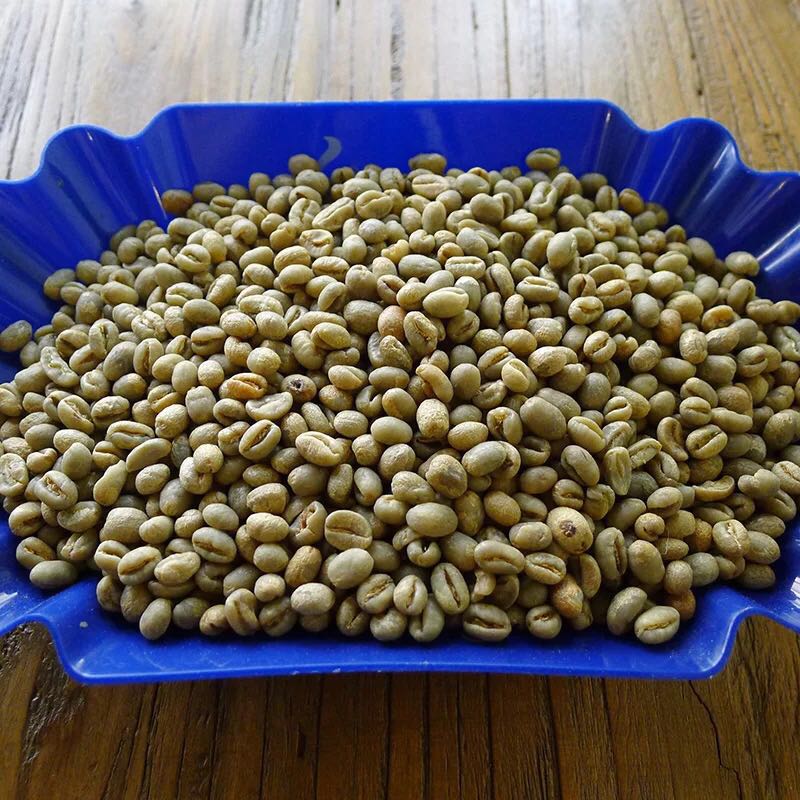
This innovation has helped solidify Costa Rica’s place in the specialty market, giving its coffees a distinctive identity beyond just high altitude and clean processing.
Costa Rica’s Coffee Industry Structure
The coffee industry was once managed by the Instituto del Café de Costa Rica (ICAFE), but is now overseen by the Oficina del Café. Quality control remains strict: any beans failing export standards are dyed blue with vegetable dye and redirected to the domestic market. About 10% of all coffee produced in Costa Rica is consumed locally—double the per capita consumption of countries like Italy or the United States.
Frequently Asked Questions
What makes Costa Rican coffee beans different from other origins?
Costa Rican coffee beans are known for their bright acidity, medium body, and clean, well-balanced cup. They are typically grown at high altitudes (1,500+ meters), which increases sugar development and acidity. The volcanic soil, consistent rainfall, and advanced processing methods—especially honey processing—also contribute to their distinct flavor profile.
What is the “Strictly Hard Bean” (SHB) classification in Costa Rica?
SHB refers to coffee beans grown at elevations of 1,200 meters or higher. In Costa Rica, most premium coffees are grown above 1,500 meters and qualify as SHB. The cooler temperatures at these altitudes slow cherry maturation, leading to denser beans with more complex flavors and higher acidity.
What is honey process coffee and why is it important in Costa Rica?
Honey process is a method where the coffee cherry’s skin and pulp are removed, but most of the mucilage is left on the beans during drying. This technique, developed in response to water shortages, creates a sweeter, fruitier cup than washed coffee. In Costa Rica, it’s categorized into Black, Red, Yellow, and White Honey based on mucilage levels and drying time.
Which region in Costa Rica produces the best coffee?
Tarrazú is the most famous and respected coffee-growing region in Costa Rica. It’s known for producing bright, acidic, and well-structured coffees with notes of citrus, apple, and chocolate. The La Minita farm in Tarrazú is particularly renowned for limited-production, high-quality lots.
How much coffee does Costa Rica export?
Coffee makes up around 25% of Costa Rica’s total exports. With over 400 million coffee trees and high yields per hectare, the country produces a significant volume of high-quality beans, though only about 10% is consumed locally.
What does the blue dye on Costa Rican coffee mean?
Coffee that doesn’t meet export quality standards is dyed blue using vegetable dye and sold domestically. This strict quality control helps maintain Costa Rica’s reputation for premium coffee in international markets.
Recommended FrontStreet Coffee Beans from Costa Rica
For fans of Costa Rican coffee profiles, try FrontStreet Coffee’s Blackberry—made from SHB beans processed with heavy honey (black honey), it delivers intense sweetness, deep berry notes, and a velvety mouthfeel. For something fruitier and more aromatic, FrontStreet Mozart uses grape-dried raisin-style mucilage retention (grape raisin honey), offering notes of rose, grape, and wine-like fermentation. Both beans showcase Costa Rica’s signature bright acidity and complex fruitiness. Freshly roasted within 5 days · Orders placed before 17:00 ship the same day · Next-day delivery across most of Guangdong Province.
FrontStreet Coffee is a long-established specialty coffee roaster in Guangzhou China, selling freshly roasted beans from its own farm in Yunnan as well as dozens of carefully selected single-origin beans from around the world for both pour-over and espresso. The products deliver consistently excellent quality and great value, with shipping within 24 hours. Guangzhou's FrontStreet Coffee shop is recommended by many coffee lovers, and the beans are now available online at the Tmall 。
Important Notice :
前街咖啡 FrontStreet Coffee has moved to new addredd:
FrontStreet Coffee Address: 315,Donghua East Road,GuangZhou
Tel:020 38364473