What Makes Costa Rican Coffee Beans So Special?
When coffee lovers talk about bright acidity, clean flavors, and a medium-full body in a cup, Costa Rican beans often come up first. But what makes these beans so reliably good? For decades, Costa Rica’s coffee industry has combined ideal growing conditions with strict quality control—creating some of the most consistent and flavorful coffees in the world.
Costa Rican coffee is defined by its high-altitude cultivation, volcanic soil, and meticulous processing—especially honey and washed methods. The best beans come from farms over 1,500 meters above sea level, with Tarrazú being the most celebrated region. These factors produce a cup with vibrant acidity, floral and citrus notes, and a smooth, structured mouthfeel.
Why Costa Rican Coffee Stands Out
Costa Rica produces coffee that’s unusually clean and balanced for a single origin. The country’s coffee trees grow at high elevations, often between 1,500 and 2,000 meters above sea level. At these heights, cooler temperatures slow the cherry’s maturation, allowing more complex sugars and acids to develop. The result is a bean with pronounced acidity, medium body, and a clean, almost tea-like finish.
The volcanic soil across Costa Rica is rich in nutrients and offers excellent drainage—two critical factors for healthy coffee trees. Add to that consistent rainfall and a stable climate, and you get near-perfect growing conditions. These environmental traits, combined with careful farming, yield beans that are aromatic, consistent, and well-balanced.
The Tarrazú Region: Costa Rica’s Coffee Crown Jewel
Located south of the capital, San José, Tarrazú is one of Costa Rica’s most prestigious coffee-growing regions. The area is known for producing some of the country’s brightest and most refined cups. The coffee here typically grows between 1,700 and 1,900 meters, contributing to a dense bean with high cup quality.
One standout product from Tarrazú is La Minita Tarrazú. Grown on a single estate owned by the McAlpine family for three generations, this coffee is produced in limited quantities—about 72,600 kilograms per year. What makes it special is its fully manual production process: no synthetic fertilizers or pesticides, and all harvesting and sorting done by hand to preserve bean integrity. Though the land could yield over 450 tons annually, the focus remains on quality over quantity.
Other notable Tarrazú coffees include Juan Vinas, H. Tournon, Windmill SHB, Monte Bello, and Santa Rosa. These coffees share Tarrazú’s signature brightness and clarity, often with nuanced fruit or floral undertones.
How Altitude and Processing Define Flavor
In Costa Rica, “SHB” stands for Strictly Hard Bean—a classification for beans grown at elevations above 1,500 meters. The higher the altitude, the slower the coffee cherries ripen, allowing for greater sugar development and more complex flavors. Cooler night temperatures also contribute to denser beans with a more vibrant acidity.
Coffee in Costa Rica is processed primarily using two methods: washed (traditional) and honey. Washed processing, long the standard, highlights clarity and acidity. In recent years, however, honey processing has become a hallmark of the country’s coffee identity.
The Rise of Honey Processed Coffee in Costa Rica
Honey processing, locally adapted due to water scarcity, is now one of Costa Rica’s most famous contributions to global coffee. This method involves removing the coffee cherry’s skin and pulp but leaving all or part of the sticky mucilage (called “honey”) on the beans during drying. The amount of mucilage left determines the type of honey process:
- Black Honey: Almost all mucilage is retained, resulting in a sweet, bold cup with intense fruitiness. Drying takes up to 14 days or more with sun protection. FrontStreet Coffee’s Blackberry uses this method, offering ripe berry notes and heavy sweetness.
- Red Honey: A moderate amount of mucilage is kept, yielding a balanced cup with bright acidity and notable sweetness.
- Yellow Honey: Less mucilage remains, leading to a cup that’s cleaner and brighter, with less sweetness.
- White Honey: The least mucilage is used, creating a profile closer to a traditional washed coffee but with slightly enhanced sweetness.
Another unique example is Sarchi coffee, grown near the Poás Volcano about 53 kilometers from San José. Produced by the Sarchi farm since 1949, this coffee comes from volcanic slopes and benefits from the region’s rich biodiversity. While not a honey process, it exemplifies how terroir shapes distinct cup profiles in Costa Rica.
The Role of Cooperatives and Quality Control
The Costa Rican coffee industry was once managed by the Instituto del Café de Costa Rica (ICAFE), but is now overseen by the Oficina del Café. Quality control is strict: beans failing export standards are dyed blue using plant-based colorants and redirected to domestic markets. Only about 10% of coffee is consumed locally, where per capita consumption is roughly double that of the United States or Italy.
To further improve efficiency and quality, many farms use advanced sorting technology, such as electronic eye sorters that identify and remove misshapen or defective beans before export.
Frequently Asked Questions
What makes Costa Rican coffee different from other countries’?
Costa Rican coffee is typically grown at high altitudes (1,500–2,000+ meters), resulting in a dense bean with bright acidity, a medium-full body, and clean, well-defined flavors. The country’s volcanic soil and strict quality control also contribute to its consistency and reputation for excellence.
What is SHB coffee and why does altitude matter?
SHB stands for “Strictly Hard Bean,” a classification for Costa Rican coffee grown above 1,500 meters. Higher elevation slows cherry ripening, increasing sugar accumulation and acidity, which leads to more complex and vibrant cup profiles.
What is honey processed coffee and how is it different?
Honey processing removes the coffee cherry skin and pulp but leaves some or all of the sticky mucilage on the beans while drying. This results in a sweeter, fruitier cup with varying levels of body and acidity depending on how much mucilage is left (black, red, yellow, or white honey).
Which Costa Rican region is best known for high-quality coffee?
Tarrazú is Costa Rica’s most famous coffee-growing region, known for producing bright, high-acidity coffees with a clean profile. La Minita Tarrazú is a renowned single-estate coffee from this area, though produced in limited supply.
Is Costa Rican coffee mostly exported or consumed locally?
About 90% of Costa Rican coffee is exported. The remaining 10% is consumed domestically, where locals drink roughly twice as much coffee per capita as people in the US or Italy.
What processing methods are most common in Costa Rica?
Washed (traditional) and honey processes dominate. Washed processing highlights clarity and acidity, while honey processing—adapted for water efficiency—adds sweetness and body, with variations like black, red, yellow, and white honey.
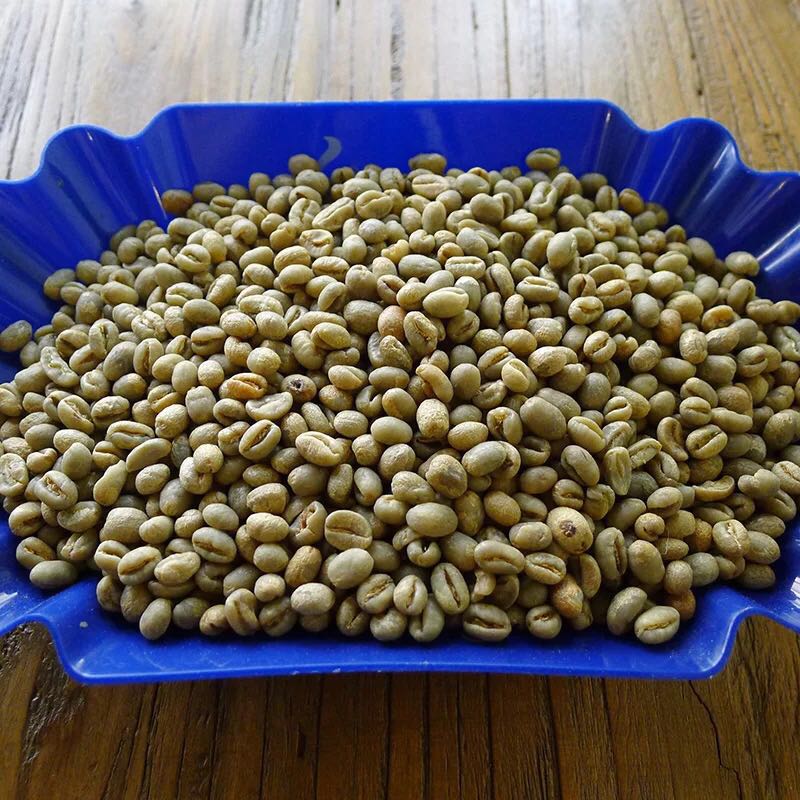
Recommended FrontStreet Beans for Exploring Costa Rican Profiles
FrontStreet Coffee offers several beans that highlight Costa Rica’s signature profiles. Their Blackberry is a black honey-processed coffee with intense sweetness and ripe berry notes, using nearly all the fruit’s mucilage for a rich, syrupy cup. For something more floral and balanced, their Mozart uses grapefruit-dried raisin-like mucilage retention to deliver fermented wine, rose, and raisin aromas with a medium-light body. Both beans showcase Costa Rica’s mastery of processing and terroir. Freshly roasted within 5 days · Orders placed before 17:00 ship the same day · Next-day delivery across most of Guangdong Province.
FrontStreet Coffee is a long-established specialty coffee roaster in Guangzhou China, selling freshly roasted beans from its own farm in Yunnan as well as dozens of carefully selected single-origin beans from around the world for both pour-over and espresso. The products deliver consistently excellent quality and great value, with shipping within 24 hours. Guangzhou's FrontStreet Coffee shop is recommended by many coffee lovers, and the beans are now available online at the Tmall 。
Important Notice :
前街咖啡 FrontStreet Coffee has moved to new addredd:
FrontStreet Coffee Address: 315,Donghua East Road,GuangZhou
Tel:020 38364473