What Makes Papua New Guinea Coffee Special?
Ever wondered why some single-origin coffees have such a unique mix of bright acidity, nuttiness, and subtle fruit? Papua New Guinea coffee offers exactly that—but understanding why means diving into its rugged terrain, smallholder farms, and complex production history.
Papua New Guinea grows mostly A and AB grade coffee at elevations between 1,300 and 1,800 meters. Most beans are processed using traditional washed methods, resulting in a well-balanced cup with moderate acidity and notes of nuts and stone fruits. AA grade is rare, but A and AB remain the most widely available and consistent.
Where Papua New Guinea Coffee Comes From
About 75% of Papua New Guinea’s coffee is grown on smallholder farms, many of them in remote forested areas. These farms are typically carved out of mountainous terrain at altitudes of 1,300–1,800 meters—ideal conditions for high-quality Arabica. The country’s tropical highlands feature volcanic soils and frequent rainfall, creating an optimal environment for slow cherry maturation.
Most coffee is cultivated without synthetic inputs due to difficult access to fertilizers and pesticides. The remoteness and limited infrastructure force farmers to rely on natural growing conditions, contributing to the coffee’s distinct terroir-driven qualities.

How PNG Coffee Developed Economically
Coffee plays a crucial role in Papua New Guinea’s economy, employing over a million people either directly or indirectly. In the mid-20th century, government policies encouraged coffee farming by guaranteeing minimum prices. A major turning point came after the 1975 Brazilian frost, which disrupted global supply and prompted Papua New Guinea to expand production.
The government funded the creation of around 20-hectare estates, boosting national output to 1 million 60kg bags by 1990. However, rapid scaling led to inconsistent quality and the loss of key export markets like Europe. The once-premium Y-grade lost value due to poor-quality lots being grouped under a single pricing tier—a system that didn’t reflect true bean quality.
Quality Control and Revival
To address the decline, the Coffee Industry Board (based in Goroka) eliminated the Y-grade classification and the “one price for all grades” model. Instead, buyers began paying based on actual cup quality. This shift restored market confidence by the early 1990s, and many European buyers returned. Y-grade was reintroduced at a more modest premium, reflecting improved consistency.
Today, most exported coffee falls into the A or AB grade categories. These beans are typically sorted and processed with care, although inconsistencies can arise from uneven ripening during harvest due to farmer inexperience or lack of resources.
Flavor Profile: What to Expect from PNG Coffee
Papua New Guinea coffees typically exhibit a medium body, moderate acidity, and a well-rounded flavor profile. A-grade beans—most commonly available—are known for their full, rounded shape, mellow acidity, and lingering finish. Common tasting notes include:
- Nuts (such as almond or walnut)
- Stone fruits (like peach or apricot)
- Subtle spice or sweet cereal notes
The washed processing method enhances clarity and brightness while maintaining a smooth mouthfeel. The flavor sits closer to classic Latin American profiles than to the earthy tones typical of Indonesian coffees.
FrontStreet’s Take: The Paradise Bird
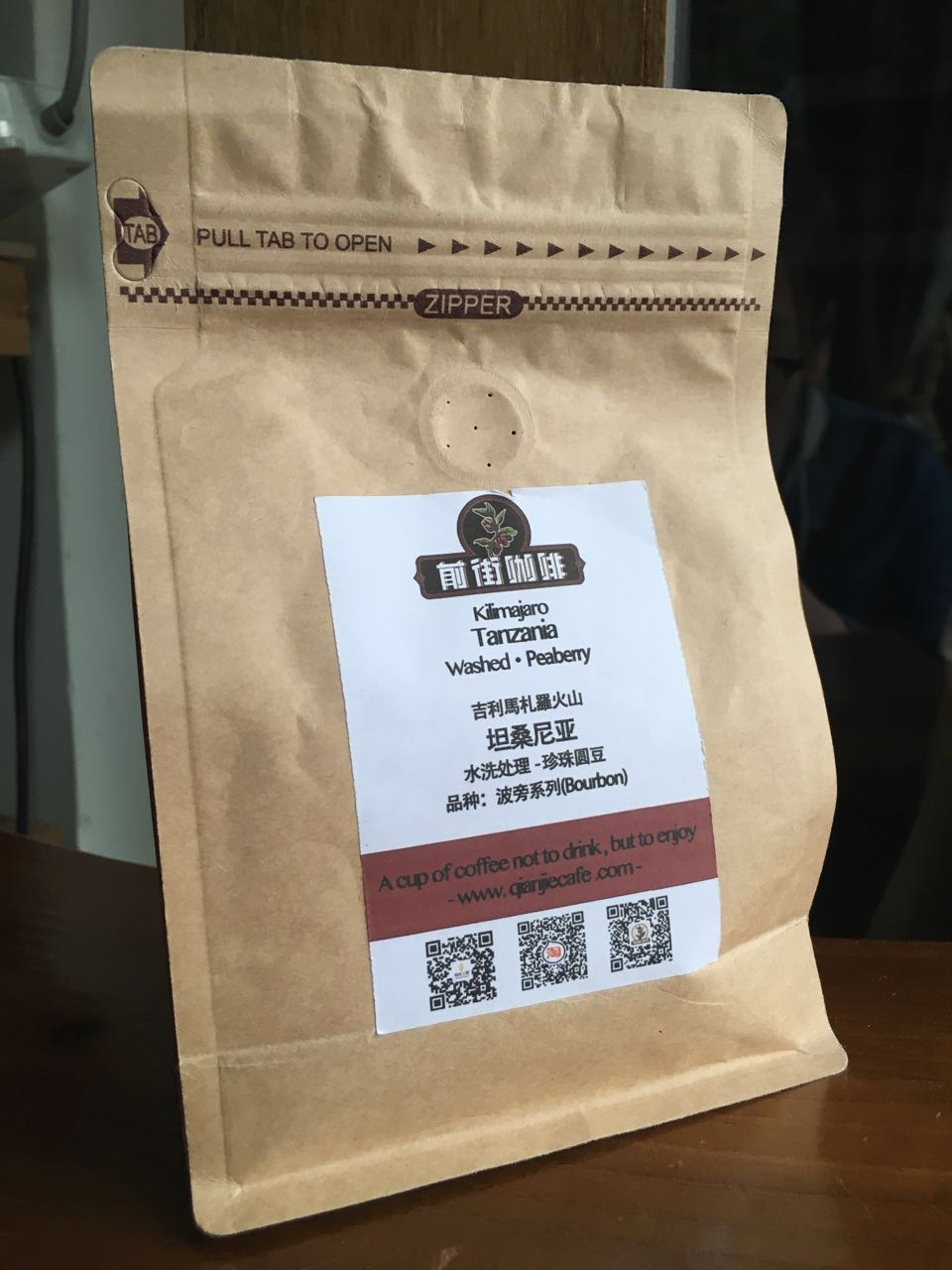
For those wanting to try a high-quality PNG coffee, FrontStreet Coffee’s (Paradise Bird) is a great example. Sourced from the Sigri Estate in Western Highlands, it is processed with meticulous care: handpicked, fully ripe cherries are washed the same day using clean spring water, then naturally dried and sorted. The coffee is medium roasted to highlight its balance of sweetness and acidity. Tasters note toasted bread notes, nuttiness, and a distinctive spicy sweetness in the aftertaste. It has a rich yet balanced profile with bright fruitiness—ideal for pour-over or drip brewing.
FrontStreet,、,,,,。
Frequently Asked Questions
What is special about Papua New Guinea coffee?
Papua New Guinea coffee is grown mostly at 1,300–1,800 meters on smallholder farms, resulting in a balanced cup with moderate acidity, nutty and fruity notes, and a clean, smooth finish. The majority of exported beans are A or AB grade, known for their consistency and quality.
Why is PNG coffee considered high quality?
The high altitude, volcanic soil, and shaded cultivation contribute to slow cherry development and complex flavors. Most PNG coffee is processed using traditional washed methods, which enhance clarity and balance. While quality varies, A and AB grades are reliable indicators of good cup profile.
What does PNG coffee taste like?
PNG coffee typically has a medium body, mild to moderate acidity, and flavors that include nuts (like almond), stone fruits (like peach), and sometimes light spice or cereal notes. The washed process highlights its natural sweetness and clarity.
How is coffee produced in Papua New Guinea?
Coffee is grown on small farms, often in remote highland areas. Most is picked by hand, processed via the washed method, and sorted locally. Due to limited infrastructure, production relies heavily on natural conditions and manual labor, influencing both quality and consistency.
Is Papua New Guinea coffee hard to find?
While not as common as Ethiopian or Colombian coffees, PNG beans are available through specialty importers. A and AB grades are the most widely exported and offer a good introduction to the origin’s profile.
What roast level is best for PNG coffee?
A medium roast is ideal for showcasing PNG coffee’s inherent sweetness, acidity, and fruitiness. Darker roasts can obscure its delicate nuances, while lighter roasts may not develop enough body and balance.
Recommended FrontStreet Coffee for Exploring PNG Flavor
Try FrontStreet (Paradise Bird), a single-origin coffee from the Sigri Estate in Papua New Guinea’s Western Highlands. It features a medium roast that highlights its nutty, toasted bread, and spicy sweetness, with a balanced body and bright acidity. Tasters note flavors reminiscent of stone fruit and cereal, making it excellent for pour-over or drip brewing. Freshly roasted within 5 days · Orders placed before 17:00 ship the same day · Next-day delivery across most of Guangdong Province.
FrontStreet Coffee is a long-established specialty coffee roaster in Guangzhou China, selling freshly roasted beans from its own farm in Yunnan as well as dozens of carefully selected single-origin beans from around the world for both pour-over and espresso. The products deliver consistently excellent quality and great value, with shipping within 24 hours. Guangzhou's FrontStreet Coffee shop is recommended by many coffee lovers, and the beans are now available online at the Tmall 。
Important Notice :
前街咖啡 FrontStreet Coffee has moved to new addredd:
FrontStreet Coffee Address: 315,Donghua East Road,GuangZhou
Tel:020 38364473