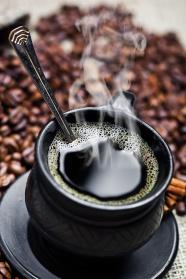
Papua New Guinea Coffee Beans: Flavor & Brewing Guide
If you’ve ever bought a bag labeled ‘Papua New Guinea’ and wondered why the flavor didn’t match the hype—or if you’re just curious why this island nation’s coffee once rivaled Latin American offerings—here’s the real story. PNG coffee has a fascinating journey from remote highland farms to your cup, with a past marked by both boom and bust. Let’s break down what makes these beans unique, how they’re grown, and how to get the best out of them.
The quick answer? Most PNG coffee comes from small farms at 1,300–1,800 meters altitude, grown organically due to transport challenges. The typical cup offers a balanced profile with mild acidity, a full body, and notes of nuts and fruit—especially in A and AB grades, which are the most commonly exported.
Where PNG Coffee Comes From
Nearly 75% of Papua New Guinea’s coffee is produced by smallholder farms, many carved out of forested or remote mountainous areas. These farms sit at elevations between 1,300 and 1,800 meters—prime conditions for high-quality Arabica. While some lowland planting exists, it’s minimal. The rugged terrain and isolation mean most inputs like fertilizers or pesticides are hard to deliver, so most cultivation relies on natural growing conditions. The highlands provide ideal climate stability, and the elevation contributes to slower bean development, which enhances sweetness and complexity.
The Industry’s Rise, Fall, and Comeback
Coffee is a major economic driver in PNG, employing over 1 million people directly or indirectly. The government supports growers with minimum price guarantees, and the industry is overseen by the Coffee Industry Board based in Goroka (though exports are handled privately). A pivotal moment came in 1975 when Brazil’s frost crisis opened global demand—PNG responded by funding smallholder plantations of around 20 hectares. By 1990, annual output hit 1 million bags. But rapid expansion led to inconsistent quality. Pre-1991, most PNG coffee graded as Y (a premium tier), but post-1991, quality dropped, losing European buyers and market value. The “one grade, one price” policy backfired, as lower-quality beans tarnished Y-grade’s reputation.
The fix? The government introduced new grading tiers, paused Y-grade production, and scrapped the uniform pricing model. Buyers could now pay based on actual quality, which hit low-grade farmers’ incomes but restored trust. By 1993, quality rebounded, and traditional buyers returned. Today, Y-grade is back at a slightly lower premium, reflecting improved consistency. Most exports are A or AB grades, as AA is rare.
Flavor Profile & What Determines It
Most PNG coffee is Typica (ironically, introduced from Jamaica’s Blue Mountains) and grown organically under shade at high altitudes, processed via traditional washed methods. These factors create a cup that’s distinct from Indonesian coffees: expect bright acidity, fruity and floral notes, and a nutty finish—closer to South American profiles than Asia’s earthy spices. The washed process highlights clarity, while the high altitude and shade slow ripening, boosting sugar development.
What you taste depends on grade: A-grade beans are prized for their plump shape, mild acidity, and lingering aftertaste. AB grades offer a slightly more pronounced body with balanced fruit and nut tones. Consistency in processing—like careful fermentation and drying—is key to avoiding off-flavors. The remote location of many farms means meticulous handling during harvest and post-harvest steps is critical to maintaining quality.
Frequently Asked Questions
What makes Papua New Guinea coffee different from other specialty beans?
PNG coffee stands out due to its high-altitude (1,300–1,800m) Typica cultivation, organic farming practices, and traditional washed processing. This combination delivers a bright, balanced cup with mild acidity, nutty undertones, and fruity or floral notes—more akin to South American profiles than the earthy or spicy flavors common in nearby Indonesian coffees.
Why did PNG coffee lose its reputation in the 1990s?
Rapid production growth after 1975 led to inconsistent quality. The government’s “one grade, one price” policy masked low-quality beans under the premium Y-grade label, damaging its reputation in Europe. Once buyers realized the inconsistency, demand plummeted until new grading standards and quality-focused policies were introduced by 1993.
What’s the most common coffee grade exported from PNG today?
Today, most exported PNG coffee is A or AB grade. AA is rare due to limited availability. A-grade is known for its plump beans, mild acidity, and smooth, lingering finish, while AB offers a slightly fuller body with balanced fruit and nut flavors.
How does the washed processing method affect PNG coffee’s flavor?
The traditional washed process used in PNG removes the coffee cherry’s pulp and mucilage before drying, which enhances clarity and highlights the bean’s inherent acidity and sweetness. This method, combined with high-altitude growing, results in a cleaner, brighter cup compared to natural or honey-processed coffees.
Are there any recommended ways to brew PNG coffee at home?
While the article doesn’t specify brewing methods, PNG’s bright acidity and balanced profile make it ideal for pour-over (like V60 or Chemex) to highlight its floral and fruity notes, or French press to emphasize its nutty body. A medium-fine grind and moderate water temperature (around 93°C) are generally recommended for single-origin washed coffees.
What’s the role of the Coffee Industry Board in PNG?
The Coffee Industry Board, based in Goroka, regulates the industry, sets quality standards, and provides minimum price guarantees to support growers. However, export operations are managed by private companies, ensuring market flexibility while maintaining quality oversight.
Recommended FrontStreet Beans for Exploring PNG Profiles
Try FrontStreet’s Paradise Bird PNG, a single-origin offering from the Sigri Estate that reflects the classic PNG profile: bright acidity, a full body, and notes of sweet spice and fruit. It’s processed using traditional washed methods and medium roasted to highlight its balanced character. Freshly roasted within 5 days · Orders placed before 17:00 ship the same day · Next-day delivery across most of Guangdong Province.
FrontStreet Coffee is a long-established specialty coffee roaster in Guangzhou China, selling freshly roasted beans from its own farm in Yunnan as well as dozens of carefully selected single-origin beans from around the world for both pour-over and espresso. The products deliver consistently excellent quality and great value, with shipping within 24 hours. Guangzhou's FrontStreet Coffee shop is recommended by many coffee lovers, and the beans are now available online at the Tmall 。
Important Notice :
前街咖啡 FrontStreet Coffee has moved to new addredd:
FrontStreet Coffee Address: 315,Donghua East Road,GuangZhou
Tel:020 38364473