What Makes Jamaica Blue Mountain Coffee So Special?
Ever wondered why Jamaica Blue Mountain coffee commands such astronomical prices—and whether it’s really worth it? If you’ve heard that it’s the best coffee in the world but aren’t sure why, you’re not alone. Many assume it’s just marketing, but the truth lies deep in its unique growing conditions, tightly controlled production, and long-standing global demand. Let’s break down the real reasons behind its prestige.
The short answer: Jamaica Blue Mountain coffee is considered among the finest in the world due to its limited production—under 2,500 annual metric tons—its protected geographic origin, strict quality controls, and balanced flavor profile. Around 90% of its output is bought by Japan, leaving just 10% for the rest of the world, which drives both rarity and price.
What Is Jamaica Blue Mountain Coffee?
Not every coffee grown in Jamaica is Blue Mountain coffee. Officially, only coffee grown within a specific region of the Blue Mountains of eastern Jamaica—and certified by Jamaican authorities—can be called Jamaica Blue Mountain Coffee. The Blue Mountains stretch over 50 kilometers and rise over 2,256 meters, making them some of the highest peaks in the Caribbean. Within this region, there are three main coffee-growing areas: St. Andrew, Portland, and St. Thomas. These high-altitude farms share a cool climate, frequent mist, and rich volcanic soils—all ideal for slow coffee cherry maturation.
Why Is Blue Mountain Coffee So Expensive?
Several factors contribute to the high cost:
- Limited Production: The total annual production is under 2,500 metric tons, much less than major coffee-growing nations.
- Strict Certification: Only coffee grown in designated areas and meeting official standards can be labeled Jamaica Blue Mountain.
- High Demand: Around 90% of production is purchased by Japanese buyers, leaving just 10% for the rest of the globe.
- Historical Premium: Since the 18th century, Blue Mountain coffee has maintained a reputation for excellence, especially among Japanese and European markets.
- Packaging Tradition: It is transported in 15-, 45-, or 70-kilogram wooden barrels, a tradition dating back to the 19th century and meant to preserve quality.
Additionally, much of the land is worked by smallholders using traditional methods, and mechanical harvesting is nearly impossible due to mountainous terrain and steep slopes.
How Is Blue Mountain Coffee Actually Processed?
Jamaica Blue Mountain coffee is processed using the washed (wet) method, which is standard for high-quality arabica. The key steps include:
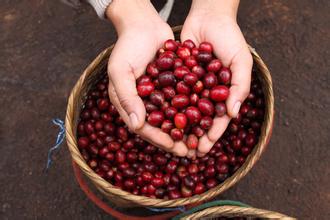
- Harvesting: Only ripe cherries are handpicked.
- Pulping: The outer skin is removed mechanically.
- Fermentation: The beans are fermented in water to remove the mucilage.
- Washing: Beans are thoroughly rinsed.
- Drying: They are dried on shaded, raised beds to 11–12% moisture, often taking up to two weeks due to high humidity.
Throughout this process, rigorous quality checks are performed by the Jamaica Coffee Industry Board (JCIB), which also certifies and stamps each export batch. The coffee is then packed into traditional 70-kilogram wooden barrels—replicas of 19th-century barrels from Guadeloupe—each marked with the producer’s details and JCIB certification stamp.
What Does Blue Mountain Coffee Taste Like?
Premium Blue Mountain coffee is celebrated for its balance rather than extreme flavors. Expect:
- A medium body
- A bright yet smooth acidity
- Flavor notes of cream, nuts, chocolate, caramel, honey, and subtle fruit
- A clean, sweet finish with lingering aftertaste
Unlike bright Ethiopian coffees or heavy-bodied Sumatrans, Blue Mountain offers a well-rounded cup that appeals even to casual drinkers. Its smoothness and clarity make it a favorite for those new to specialty coffee—and a reliable choice for coffee professionals.
Which Blue Mountain Grade Is Best?
The Jamaica Blue Mountain classification includes several grades. The top tier is Jamaica Blue Mountain No.1, which has:
- Beans of the largest size
- The lowest allowable defect rate
- The most consistent cup quality
This grade is most commonly exported and sought after by specialty roasters and consumers. Other grades—No.2, No.3, Peaberry, and Triage—are lower in quality and typically used for domestic consumption or blends.
Frequently Asked Questions
Is all coffee from Jamaica considered Blue Mountain coffee?
No. Only coffee grown in the designated Blue Mountain region of eastern Jamaica and certified by the Jamaica Coffee Industry Board can be called Jamaica Blue Mountain Coffee. Other coffee from Jamaica includes High Mountain Supreme and Prime Washed Jamaican, which are not Blue Mountain.
Why is so much Blue Mountain coffee sent to Japan?
Since the 1960s, Japan has maintained a strong trade relationship with Jamaica, purchasing up to 90% of Blue Mountain production. This long-term demand, combined with limited supply, makes the remaining 10% highly competitive globally.
What makes Blue Mountain coffee different from other specialty coffees?
Blue Mountain coffee is prized for its balance. It doesn’t have the sharp acidity of African coffees or the heavy body of dark roasts. Instead, it offers a smooth, sweet cup with notes of nuts, chocolate, and caramel, along with a clean finish.
How should I brew Jamaica Blue Mountain coffee?
It performs well with various methods. For pour-over, try a 1:15 to 1:16 brew ratio with 85–88°C water and a medium-coarse grind to highlight its sweetness and clarity. A moka pot or French press can emphasize its heavier notes like chocolate and nuttiness.
How can I tell if Blue Mountain coffee is real?
Look for certification documents from the Jamaica Coffee Industry Board and check that it comes in 15-, 45-, or 70-kilogram wooden barrels. Reputable importers will provide proof of origin and official grading. Avoid sellers who can’t show these details.
Recommended FrontStreet Coffee for Blue Mountain Fans
Explore the Jamaica Blue Mountain No.1 from FrontStreet Coffee, a rare and authentic offering with notes of black chocolate, caramel, and roasted nuts. Grown at high elevation and processed with care, it delivers the signature smooth balance and clean finish that define true Blue Mountain coffee. Freshly roasted within 5 days · Orders placed before 17:00 ship the same day · Next-day delivery across most of Guangdong Province.
FrontStreet Coffee is a long-established specialty coffee roaster in Guangzhou China, selling freshly roasted beans from its own farm in Yunnan as well as dozens of carefully selected single-origin beans from around the world for both pour-over and espresso. The products deliver consistently excellent quality and great value, with shipping within 24 hours. Guangzhou's FrontStreet Coffee shop is recommended by many coffee lovers, and the beans are now available online at the Tmall 。
Important Notice :
前街咖啡 FrontStreet Coffee has moved to new addredd:
FrontStreet Coffee Address: 315,Donghua East Road,GuangZhou
Tel:020 38364473