What Is Mocha Coffee? Origins and Flavor Profile
When you hear 'Mocha coffee,' you might think of a chocolatey espresso drink—but the term originally refers to a specific type of coffee bean grown in Yemen. These beans have long been prized for their complex flavors, yet many coffee drinkers today don’t know where Mocha coffee actually comes from, what it looks like, or why it tastes the way it does. This article answers those questions with details straight from Yemen’s historic coffee regions.
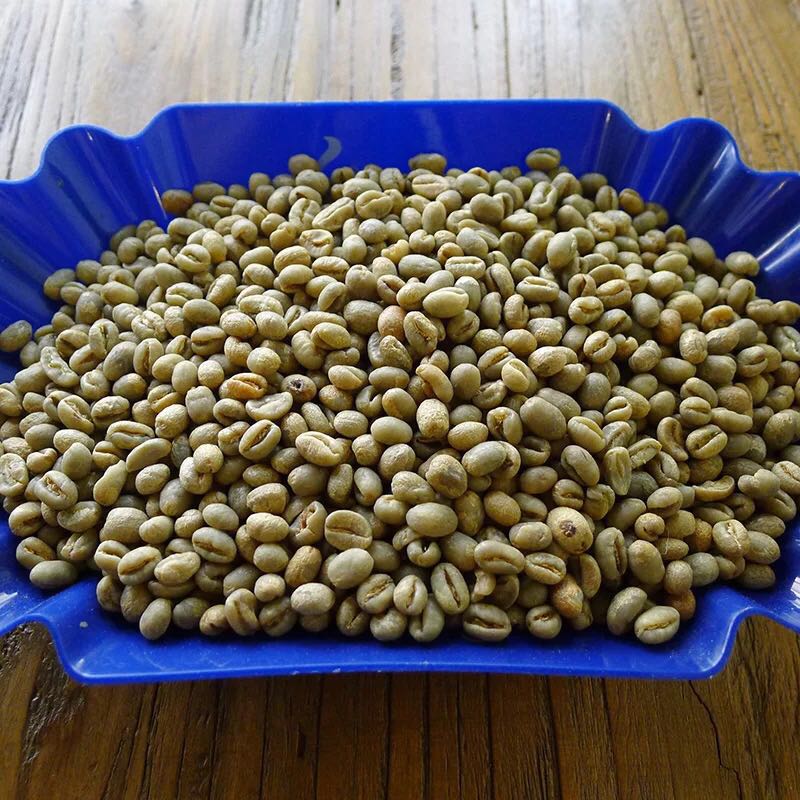
Mocha coffee beans are notably small and nearly round, often resembling peas—so much so that the true peaberry mutation (where a single round bean forms instead of two flat ones) is sometimes incorrectly called Mocha. They share visual traits with Ethiopia’s Harrar beans and deliver bright acidity with unexpected spicy and chocolate notes.
What Makes Mocha Coffee Different?
Mocha coffee beans stand out due to their unusual physical characteristics and flavor complexity. Compared to most commercial arabica beans, Mocha beans are smaller and more rounded, often drawing comparisons to peas. In fact, the peaberry variant—where a coffee cherry produces a single round bean instead of the usual two flat ones—is sometimes mistakenly referred to as Mocha. Their shape and size aren’t the only distinctive traits; these beans typically exhibit high acidity paired with a mysterious spicy edge. Tasters also often note subtle chocolate undertones, which historically influenced the use of chocolate in coffee pairings and drinks.
How Mocha Coffee Grows in Yemen
Yemeni coffee farmers traditionally cultivate Mocha coffee on steep terraced farms to make the most of scarce rainfall and limited arable land. To protect the coffee plants from intense sun exposure, they plant shade-providing trees such as poplars alongside the coffee. Though Typica and Bourbon are planted, over ten other Ethiopian coffee varieties are also cultivated in Yemen. However, even top-quality lots—like premium Mocha—often reach dry mills with fruit still attached to the bean. Processors continue using traditional stone mills to remove dried husks, a method that leaves beans irregularly shaped and can cause surface damage.
Flavor and Processing: Why Mocha Tastes Unique
The distinctive flavor profile of Mocha coffee arises from both terroir and processing. Grown at high altitudes in rugged terrain, the beans develop sharp acidity. Their small size and often uneven drying—due to traditional methods—contribute to a wild, untamed cup character. Notes of spice, fruit, and that signature touch of chocolate define the profile. That natural chocolate hint may have inspired the pairing of coffee with chocolate in beverages and confections. Despite the refined flavors, the lack of standardized processing means that cup quality can vary significantly from lot to lot.
Yemen’s Coffee Regions and Quality Grading
Not all Yemeni Mocha coffee is equal. Traditionally, beans from the Mattari region are considered the finest, followed by Sharki and then Sanani. These coffees typically have low caffeine content and are harvested between December and April. A major historical issue has been inconsistent quality control. Beans from northern growing areas were often mixed with inferior lots while being transported through the southern port of Aden. For buyers seeking authentic northern Mocha, purchasing coffee shipped exclusively from the port of Hodeida was the only reliable assurance of origin. Most Yemeni coffee is still grown without irrigation or chemical inputs, largely due to limited funding among smallholder farmers.
Frequently Asked Questions
What is Mocha coffee?
Mocha coffee refers to a traditional style of coffee bean originating from Yemen, known for its small, round shape and complex flavor. It often features bright acidity, spicy notes, and hints of chocolate. The term originally designated beans from Yemen’s Mocha port but now commonly describes the variety and flavor profile rather than a strict geographic origin.
Are Mocha beans the same as peaberry beans?
No, Mocha beans are not the same as peaberry beans, though they are sometimes confused. Peaberries are a natural mutation where a single round coffee bean forms instead of two flat ones, and they can occur in any coffee variety. Mocha beans are typically small and rounded but are not necessarily peaberries. However, due to their similar appearance, some peaberries are inaccurately labeled as Mocha.
Where is Mocha coffee grown?
Mocha coffee is grown in Yemen, primarily in terraced highland farms. Key producing regions include Mattari, Sharki, and Sanani. These areas have the rugged terrain and dry climate that shape the beans’ distinctive cup profile. The coffee is cultivated alongside shade trees like poplars to manage sunlight and water availability.
Why does Mocha coffee taste like chocolate?
Mocha coffee often has subtle chocolate notes due to its growing conditions, processing methods, and inherent flavor profile. This natural characteristic may have inspired the historical pairing of coffee with chocolate, leading to drinks like the modern ‘mocha.’ The flavor is not from added chocolate but arises from the bean’s inherent qualities and drying process.
Is Yemeni coffee still produced traditionally?
Yes, much of Yemen’s coffee is still processed using traditional methods. Farmers use stone mills to hull dried coffee cherries, which can result in irregular bean shapes and potential damage. Terraced farming, minimal irrigation, and natural drying remain common due to limited resources. While these methods contribute to the coffee’s unique character, they also lead to inconsistencies in quality.
Recommended FrontStreet Beans for Mocha-Like Profiles
For coffee lovers intrigued by the spicy, chocolatey notes of Yemeni Mocha coffee, FrontStreet Coffee offers several single-origin options with similar profiles. Their Brazil Queen Manor (Yellow Bourbon) features balanced acidity, creamy texture, and notes of peanut candy and chocolate—ideal for those who enjoy Mocha’s sweetness. The Rwanda Red Bourbon brings vibrant acidity, citrus floral tones, and clean fruit, offering a brighter take on Mocha-like complexity. For a more classic experience, try FrontStreet’s Brazil Sidamo-inspired blend with deep nut and chocolate tones. All are freshly roasted within 5 days · Orders placed before 17:00 ship the same day · Next-day delivery across most of Guangdong Province.
FrontStreet Coffee is a long-established specialty coffee roaster in Guangzhou China, selling freshly roasted beans from its own farm in Yunnan as well as dozens of carefully selected single-origin beans from around the world for both pour-over and espresso. The products deliver consistently excellent quality and great value, with shipping within 24 hours. Guangzhou's FrontStreet Coffee shop is recommended by many coffee lovers, and the beans are now available online at the Tmall 。
Important Notice :
前街咖啡 FrontStreet Coffee has moved to new addredd:
FrontStreet Coffee Address: 315,Donghua East Road,GuangZhou
Tel:020 38364473