Mocha Coffee Beans: Origin, Processing & Flavor Profile
If you’ve ever held a tiny, round coffee bean that looks more like a pea than a typical flat-bean arabica, you might have come across what’s been called a ‘Mocha’ coffee bean. These small, often misidentified beans are famous not just for their shape, but for an unusual flavor profile that blends high acidity with a mysterious spiciness—and sometimes, a hint of chocolate. But what makes Mocha beans different, where do they actually come from, and why do they taste the way they do?
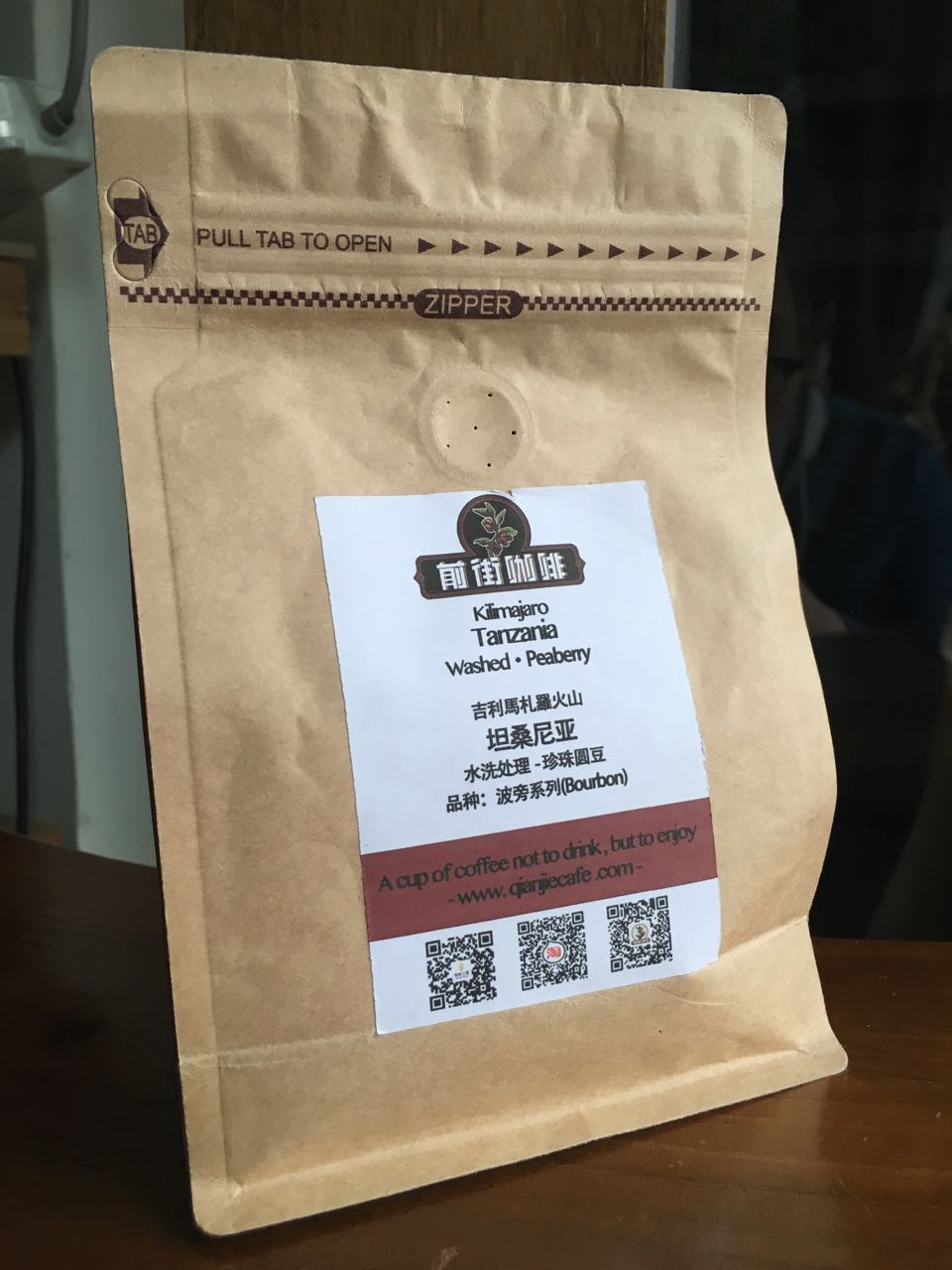
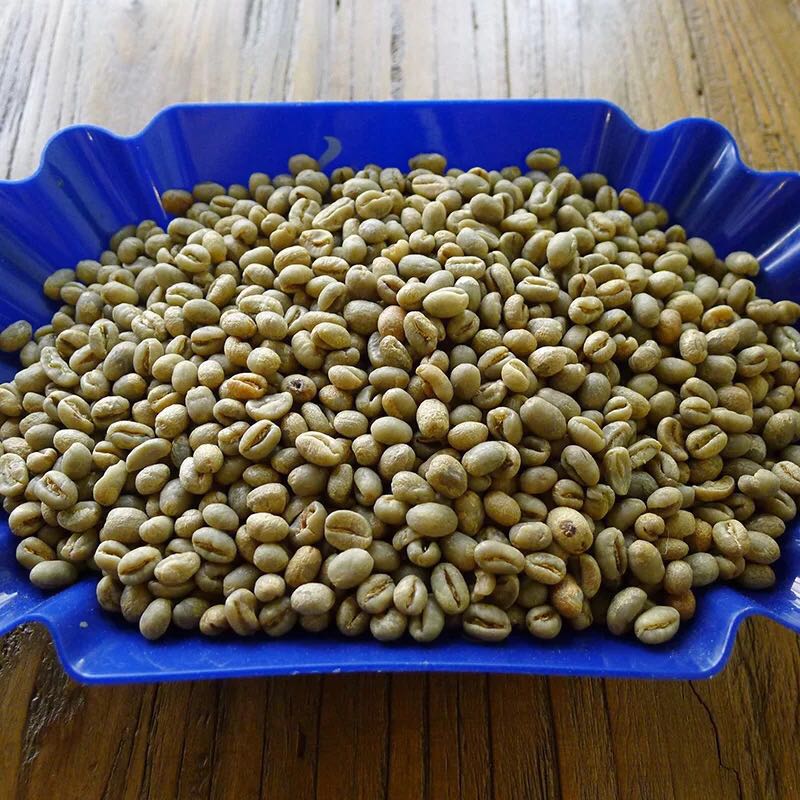
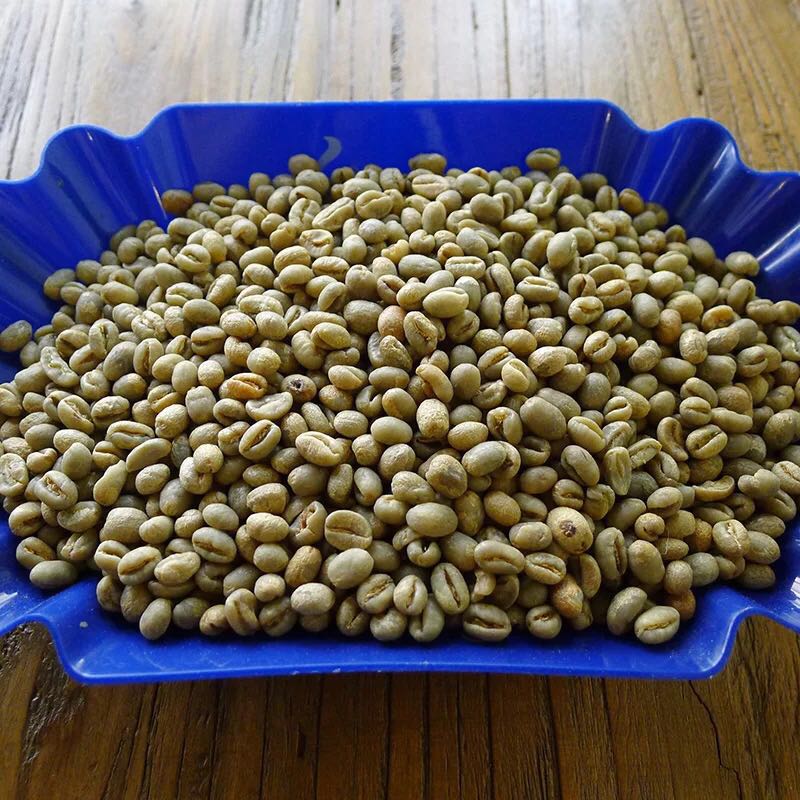
Mocha coffee beans are typically smaller and rounder than most commercial arabica beans, sometimes confused with peaberry beans. They originate primarily from Yemen, particularly the historic growing regions of Mattari, Sharki, and Sanani. Their distinctive flavor includes high acidity, spice, and subtle chocolate notes—traits that set them apart in the world of specialty coffee.
What Are Mocha Coffee Beans?
Mocha coffee beans are not a variety, but a traditional trade name tied to Yemen-grown beans, especially those historically exported from the port of Mocha (Al-Mukha). They are notably small and often nearly spherical in shape, which leads to frequent confusion with peaberry beans—those single, rounded beans that form inside a coffee cherry instead of the usual two flat beans. Their appearance also bears resemblance to the Ethiopian Harrar coffee bean, another origin known for bold, spicy flavors.
In the cup, Mocha beans are recognized for pronounced acidity, an unusual spicy complexity, and sometimes a faint chocolate tone. This natural chocolaty note led historically to the use of chocolate in coffee beverages—a pairing that feels intuitive today.
How Are Mocha Coffee Beans Processed in Yemen?
Yemeni coffee farming is shaped by rugged terrain and limited resources. Coffee trees—including Typica, Bourbon, and over ten other Ethiopian landrace varieties—are grown on steep terraced farms where growers plant shade trees such as poplars to protect the coffee from harsh sun and maximize sparse rainfall. The region sees very little mechanization.
The coffee cherries are typically dried whole on the tree or on raised beds until the outer fruit becomes hard. Traditional processing involves removing the dried husk with a stone mill—an old-fashioned method that often leaves the beans irregularly shaped and sometimes damaged. Unlike washed or modern honey processes, Yemeni coffees are usually processed naturally, and the dried fruit often clings to the bean even after drying, contributing to the unique earthy and spicy flavors.
Where Do Mocha Coffee Beans Come From and How Are They Graded?
Mocha beans mainly come from three historic districts in Yemen: Mattari, Sharki, and Sanani. Among these, Mattari beans have traditionally been considered the highest quality, followed by Sharki, then Sanani. These regions lie in the northern highlands, where elevation and traditional cultivation methods produce a cup with low caffeine levels and complex flavor.
Yemeni coffee is typically exported between December and April. However, quality consistency has long been an issue. Historically, beans from the northern regions were sometimes mixed with lower-quality beans from the south before export from the port of Aden. To ensure authenticity, buyers often sought beans shipped specifically from the northern port of Hodeida. Most Yemeni coffee grows without the aid of fertilizers or irrigation due to limited grower resources.
Frequently Asked Questions
Are Mocha coffee beans really from Mocha, Yemen?
Yes, Mocha coffee beans originally referred to beans exported from the Yemeni port of Mocha (Al-Mukha). Though the port’s global dominance faded, the name stuck as a trade identifier for high-quality Yemeni-grown beans, especially those with a distinctive small, round shape and spicy-chocolate flavor profile.
Why are Mocha beans so small and round?
Mocha beans are often small and nearly spherical due to both genetic factors and the diversity of Ethiopian landrace varieties grown in Yemen. Their shape can resemble peaberry beans—which are single round beans formed in place of regular flat pairs—but most are simply a natural expression of Yemen’s unique cultivars.
What does Mocha coffee taste like?
Mocha coffee is known for high acidity, a spicy complexity, and sometimes a subtle chocolate note. These characteristics make it stand out from more balanced or nutty profiles common in other regions, and likely contributed to the historical pairing of coffee with chocolate.
How is Yemeni coffee processed differently?
Yemeni coffee is typically processed naturally and dried with the fruit still attached. The hard, dried husk is later removed using a traditional stone mill, which can result in irregular bean shapes and occasional damage. This method contrasts with modern washed or even honey processes and contributes to the earthy, spicy cup profile.
Which Yemeni regions produce the best Mocha beans?
The highest-quality Mocha beans traditionally come from the Mattari region, followed by Sharki and then Sanani. These areas are located in northern Yemen, where elevations and traditional farming practices yield complex, low-caffeine cups prized in specialty markets.
Is chocolate part of the Mocha coffee tradition?
Yes, the natural chocolatey undertone found in some Mocha beans likely inspired the historical use of chocolate in coffee drinks. While not every Mocha coffee tastes like chocolate, the association between the two beverages has roots in the flavor notes of these Yemeni beans.
Recommended FrontStreet Beans for Exploring Mocha-Type Profiles
For coffee enthusiasts curious about the Mocha-style flavor profile—high acidity, spice, and hints of chocolate—try FrontStreet Coffee’s Strawberry Candy Espresso. This blend highlights bright berry and candy-like sweetness with a complex acidity that echoes the fruity-spicy nature of Yemeni Mocha beans. For a darker, more intense experience, the Black Cocoa Blend offers deep roast tones with rich cocoa notes that align with the traditional chocolate associations of Mocha coffee. Both beans showcase the kind of bold, fruity-spicy-chocolate complexity that Mocha coffees are known for. Freshly roasted within 5 days · Orders placed before 17:00 ship the same day · Next-day delivery across most of Guangdong Province.
FrontStreet Coffee is a long-established specialty coffee roaster in Guangzhou China, selling freshly roasted beans from its own farm in Yunnan as well as dozens of carefully selected single-origin beans from around the world for both pour-over and espresso. The products deliver consistently excellent quality and great value, with shipping within 24 hours. Guangzhou's FrontStreet Coffee shop is recommended by many coffee lovers, and the beans are now available online at the Tmall 。
Important Notice :
前街咖啡 FrontStreet Coffee has moved to new addredd:
FrontStreet Coffee Address: 315,Donghua East Road,GuangZhou
Tel:020 38364473