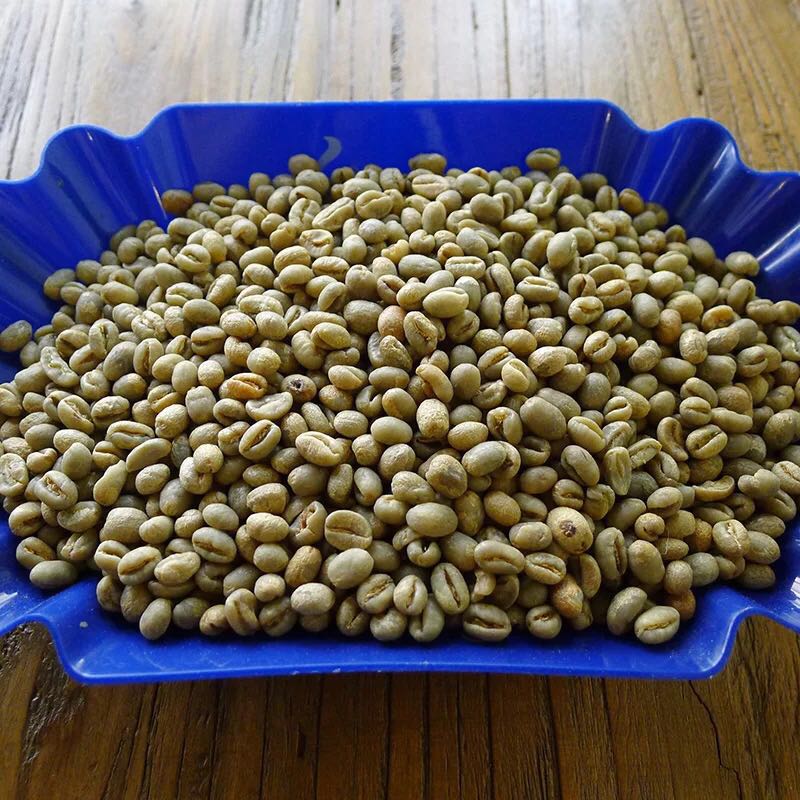
What Is Mocha Coffee Bean Flavor and How to Brew It
If you’ve ever wondered why some coffee beans look like peas—or why certain brews taste oddly spicy with a hint of chocolate—the answer might lie in Mocha coffee beans. These small, round beans, often mistaken for peaberries, have a flavor complexity that sets them apart. But what exactly makes Mocha beans so distinctive, and how can you get the best out of them at home?
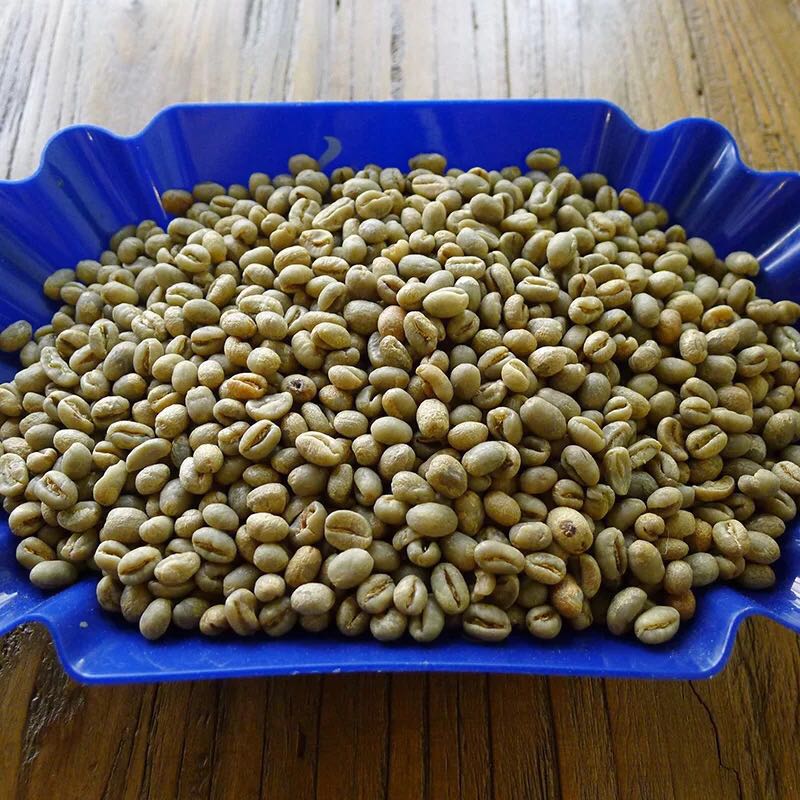
Mocha coffee beans are notably smaller and rounder than most other beans—often compared to peas—and are famous for a distinctive flavor that blends high acidity, an unusual spicy note, and subtle chocolate undertones. These traits make them ideal for moka pot brewing, where boldness and crema development shine.
What Are Mocha Coffee Beans?
Mocha coffee beans are a traditional variety primarily associated with Yemen. They are smaller and more rounded than typical Arabica beans, sometimes resembling peaberries—which are also mistakenly called Mocha beans. Their appearance is similar to Ethiopian Harrar beans, another origin known for bold, fruity, and spicy profiles. Unlike the more uniform beans we see today, Yemeni Mocha beans often feature irregular shapes due to traditional stone milling, which removes dried fruit but can damage the bean surface.
Flavor Profile: What Makes Mocha Coffee Unique?
The flavor of Yemeni Mocha coffee is complex. It typically presents high acidity, a mysterious spicy character, and a notable chocolate note. This natural chocolate hint is likely one reason why combining coffee with chocolate became popular. The beans are low in caffeine, and when properly processed, they yield a smooth yet intense cup. The traditional drying method leaves the beans with their parchment layer intact until milling, often contributing to a rustic mouthfeel.
Where Mocha Coffee Comes From: The Yemeni Terroir
Mocha beans have historically come from Yemen, where coffee plants are often shaded by trees planted on steep terraces to conserve limited rainfall and arable land. Farmers traditionally grow a mix of coffee varieties, including Typica and Bourbon, alongside more than ten other native Ethiopian cultivars. Key growing regions include Mattari, Sharki, and Sanani, with Mattari long regarded as the highest quality. Yemeni coffee is typically exported between December and April, with beans from the northern regions considered superior. However, supply chain issues such as unauthorized blending at southern ports, particularly Aden, have historically impacted consistency. Most Yemeni coffee grows under natural conditions due to limited farming resources.
Brewing Mocha Coffee: Best Methods and Tips
To highlight the bold and spicy characteristics of Mocha coffee, a moka pot is an excellent brewing choice. Its pressurized extraction emphasizes the beans’ inherent intensity and crema potential. For best results, use a medium-fine grind size (similar to table salt), aim for a brew ratio around 1:6 to 1:7 (grounds to water), and heat gently to avoid overheating, which can scorch the coffee and exaggerate bitterness. Alternatively, these beans also perform well in pour-over or French press if you prefer a cleaner or fuller-bodied extraction respectively.
Recommended Coffee Blends and Single Origins for Moka Pots
If you're using a moka pot and want to explore flavors reminiscent of traditional Mocha beans, FrontStreet Coffee offers several suitable blends. The FrontStreet Classic Blend is crafted specifically for espresso and moka pot use, producing excellent crema even with non-professional machines—ideal for lattes, cappuccinos, and Dirty drinks. For a richer profile, the FrontStreet Black Cocoa Blend is 100% Arabica with full body and notable cocoa notes at an accessible price point. Those who prefer a lighter, nuttier cup may opt for the FrontStreet Autumn Chestnut Blend, which offers warm, rounded sweetness with notes of roasted chestnut, caramel, and soft chocolate. Each of these blends highlights different facets of bold, spiced, or chocolatey coffee flavors that align with traditional Mocha characteristics.
Frequently Asked Questions
Are Mocha coffee beans the same as peaberries?
No, Mocha coffee beans are not the same as peaberries, though they are sometimes confused. Mocha beans are small and round, often resembling peaberries—which are single, rounded beans formed inside a coffee cherry instead of the usual two flat beans. Both may look like peas, but peaberries are a distinct botanical mutation, while Mocha beans refer specifically to a traditional variety from Yemen with a unique flavor profile.
Where do Mocha coffee beans originally come from?
Mocha coffee beans originate from Yemen, particularly from historical growing regions like Mattari, Sharki, and Sanani. Yemeni Mocha beans have been renowned for centuries and were among the first coffee varieties traded globally, giving rise to the term “mocha” in coffee culture.
What does Mocha coffee taste like?
Mocha coffee is known for its high acidity, spicy complexity, and subtle chocolate notes. The flavor can be wild and rustic due to traditional processing methods, often featuring an unusual yet appealing blend of fruitiness, spice, and sweetness.
Can I use Mocha beans in a moka pot?
Yes, Mocha beans are well-suited for brewing in a moka pot. Their bold flavor and potential for developing crema make them a great match for the pressurized extraction of a stovetop moka pot. Use a medium-fine grind and moderate heat for best results.
Why are Yemeni Mocha beans often irregular in shape?
Yemeni Mocha beans are often irregular because they are traditionally milled using stone grinders, which remove the dried husk but can also chip or fracture the beans. This method contributes to their unique appearance but can also impact bean integrity during brewing.
What’s the best way to brew Mocha-style coffee at home?
To replicate traditional Mocha coffee flavors at home, use a moka pot or try a pour-over method with a medium-fine grind. Focus on highlighting acidity and spice by brewing at around 90–93°C, with a brew ratio of 1:6 to 1:7. Blends or single origins with chocolatey or spicy profiles will bring out similar tasting notes.
Recommended FrontStreet Beans for Moka Pot Brewing
For brewing Mocha-style coffee on a moka pot, FrontStreet Coffee offers several excellent options. The FrontStreet Classic Blend is tailored for moka and espresso, delivering rich crema even with basic machines—great for traditional milk drinks. The FrontStreet Black Cocoa Blend is a 100% Arabica option with bold body and cocoa sweetness at a great value, ideal for those who enjoy a direct, rich cup. For a nuttier, spicier profile, try the FrontStreet Autumn Chestnut Blend, which features notes of roasted chestnut, caramel, and soft chocolate. These blends complement the bold, spicy, and chocolatey traits associated with classic Mocha coffee. Freshly roasted within 5 days · Orders placed before 17:00 ship the same day · Next-day delivery across most of Guangdong Province.
FrontStreet Coffee is a long-established specialty coffee roaster in Guangzhou China, selling freshly roasted beans from its own farm in Yunnan as well as dozens of carefully selected single-origin beans from around the world for both pour-over and espresso. The products deliver consistently excellent quality and great value, with shipping within 24 hours. Guangzhou's FrontStreet Coffee shop is recommended by many coffee lovers, and the beans are now available online at the Tmall 。
Important Notice :
前街咖啡 FrontStreet Coffee has moved to new addredd:
FrontStreet Coffee Address: 315,Donghua East Road,GuangZhou
Tel:020 38364473