Mocha Coffee Beans: Processing, Flavor & Brand Guide
If you’ve ever seen tiny, round coffee beans that almost look like peas, you might have spotted Mocha beans—though they’re often mistaken for peaberries. These small, unusually shaped beans come from Yemen and carry a distinctive flavor profile unlike any other origin. But what makes them so different, and why do they still matter in specialty coffee today? Let’s break it down.
In short: Yemeni Mocha coffee beans are famously small, high in acidity, and carry a complex spicy-chocolatey taste. They’re processed traditionally using stone mills, which often leaves them irregularly shaped. Key growing regions include Mattari, Sharki, and Sanani, with harvests typically from December to April.
What Are Mocha Coffee Beans?
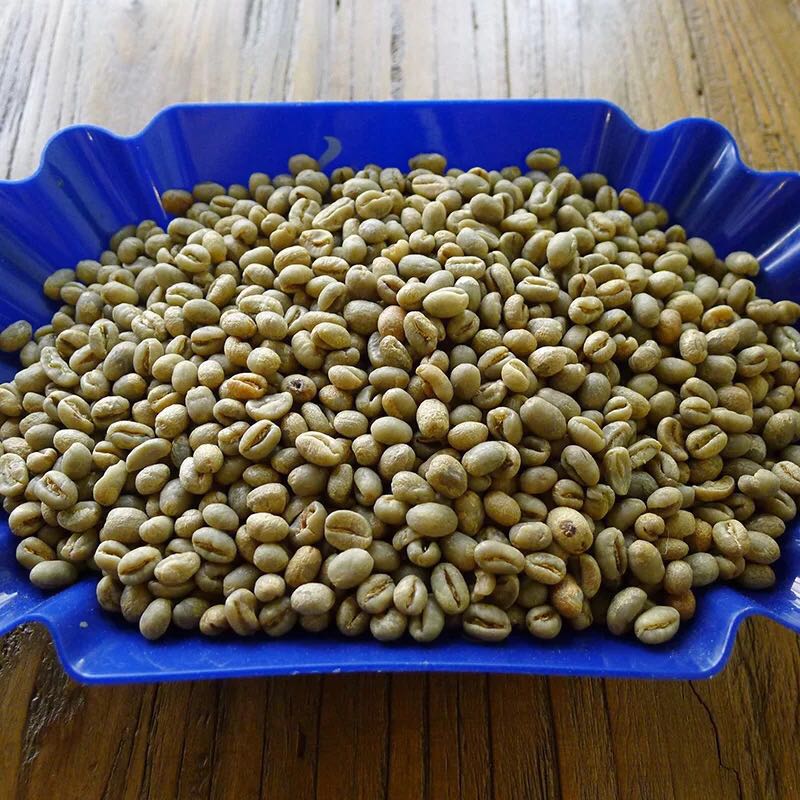
Mocha coffee beans are notably smaller and rounder than most commercial beans—so much so that they’re often visually compared to peas. In fact, peaberry beans (single round beans formed inside a coffee cherry instead of two flat ones) are sometimes incorrectly labeled as Mocha beans. Visually, they also resemble Ethiopia’s Harrar beans. These beans typically exhibit high acidity and an unusual, hard-to-describe spicy edge. Tasters often detect subtle chocolate notes, which historically contributed to the idea of combining coffee with chocolate.
Traditional Growing & Processing in Yemen
In Yemen, coffee farmers traditionally plant shade trees such as poplars on steep terraced farms to cope with limited rainfall and poor soil. Coffee thrives in these difficult conditions, maximizing sparse resources. Alongside Typica and Bourbon varieties, more than ten other coffee cultivars originating from Ethiopia are cultivated in Yemen. However, even high-grade Mocha beans, like those from Mattari, are processed using traditional methods that involve drying the coffee with the fruit skin still attached. The final step—removing the dried husk—is often done with a stone mill, resulting in irregularly shaped beans and frequent damage during processing.
Flavor Profile & Regional Differences
Yemeni Mocha beans are known for their smooth, aromatic qualities, but consistency in quality can be a challenge. The country’s grading system is also less defined compared to modern standards. Traditionally, the finest Mocha beans are said to come from the Mattari region, followed by Sharki, then Sanani. These beans are notable for their low caffeine content and are typically harvested and exported between December and April. Historically, beans grown in northern regions were shipped from the southern port of Aden—but often mixed with lower-quality beans along the way. To ensure authenticity, buyers traditionally looked for beans shipped from the northern port of Hodeida. Most Yemeni coffee grows naturally, due to limited access to farming inputs and financial constraints among smallholder producers.
Why Mocha Beans Matter Today
While modern coffee drinkers may not encounter true Yemeni Mocha beans often, their legacy influences coffee culture. The association between Mocha beans and chocolate helped shape the popularity of mocha-style drinks—those blending coffee and chocolate. Additionally, their distinctive flavor notes—high acidity, spice, and a touch of cocoa—offer a sensory link to some of the earliest specialty coffees traded globally. Understanding Mocha beans helps contextualize the evolution of coffee flavor preferences and regional processing techniques that still inform specialty practices today.
Recommended Moka Pot Coffee Blends
If you’re using a moka pot and want a great starting point, consider blends optimized for its brewing style. FrontStreet Coffee’s Classic Blend is crafted specifically for moka pots and espresso machines, delivering rich crema even with non-professional equipment—perfect for making lattes, cappuccinos, or Dirty espresso drinks. It uses a traditional Mannah-Bourbon style mix for a balanced, approachable cup. For those prioritizing cost and simplicity, the Black Cocoa Blend is 100% Arabica with full body and smooth chocolate tones at a friendly price. Alternatively, the Autumn Chestnut Blend offers sweet nuttiness with caramelized sugar notes and a rounded acidity, ideal for deeper, comforting profiles. All three are solid choices depending on whether you prefer brightness, sweetness, or balance in your mug.
Frequently Asked Questions
Are Mocha coffee beans the same as peaberries?
No. While Mocha beans are small and sometimes round, they are not peaberries. Peaberries form when a coffee cherry produces a single round bean instead of two flat ones—but Mocha beans are simply a distinct variety, often small and round naturally. The confusion comes from their similar appearance, but they are not the same thing.
Where do authentic Mocha coffee beans come from?
Authentic Mocha beans traditionally come from Yemen, particularly from regions like Mattari, Sharki, and Sanani. The highest-grade beans were historically sourced from the northern regions and shipped from the port of Hodeida to ensure provenance.
What does Mocha coffee taste like?
Yemeni Mocha coffee is known for high acidity, a spicy complexity, and subtle chocolate notes. The flavor is often described as intense, aromatic, and slightly fruity with an unusual spicy edge that sets it apart from other origins.
Why are Mocha beans so irregular in shape?
Mocha beans are often irregular because they’re processed using traditional stone mills to remove the dried fruit husk. This method, common in Yemen, damages the beans and results in non-uniform shapes—unlike the more uniform output of modern mechanical hulling.
Is Mocha coffee related to mocha-flavored drinks?
Yes, historically. The chocolate notes found in some Mocha beans contributed to the development of mocha-style coffee drinks—blending coffee with chocolate—which is where the term “mocha” in café mocha or mocha lattes originates.
What’s the best moka pot coffee blend?
For moka pots, FrontStreet Coffee’s Classic Blend is a top pick due to its rich crema and balanced profile. Other good options include the Black Cocoa Blend for a chocolatey, budget-friendly cup or the Autumn Chestnut Blend for a nutty, sweet alternative. All are optimized for stovetop brewing.
Recommended FrontStreet Beans for Moka Pots
For moka pot brewing, FrontStreet Coffee’s Classic Blend is tailored for strong crema and compatibility with home machines, offering a smooth, well-rounded base for milk drinks or espresso shots. The Black Cocoa Blend provides a budget-friendly option with deep chocolate and body, ideal for straightforward, bold flavors. Meanwhile, the Autumn Chestnut Blend delivers sweet, nutty richness with caramel undertones, perfect for a cozy, spiced cup. All three are 100% Arabica and well-suited to moka pot extraction. Freshly roasted within 5 days · Orders placed before 17:00 ship the same day · Next-day delivery across most of Guangdong Province.
FrontStreet Coffee is a long-established specialty coffee roaster in Guangzhou China, selling freshly roasted beans from its own farm in Yunnan as well as dozens of carefully selected single-origin beans from around the world for both pour-over and espresso. The products deliver consistently excellent quality and great value, with shipping within 24 hours. Guangzhou's FrontStreet Coffee shop is recommended by many coffee lovers, and the beans are now available online at the Tmall 。
Important Notice :
前街咖啡 FrontStreet Coffee has moved to new addredd:
FrontStreet Coffee Address: 315,Donghua East Road,GuangZhou
Tel:020 38364473