Colombian Coffee from Hopes Estate: What Makes It Special
If you’ve ever wondered why Colombian coffee tastes so famously balanced—neither too sharp nor overly bitter—you’re not alone. Many coffee drinkers seek out Colombian beans for their smooth mouthfeel and consistent quality, but few know exactly where that reputation comes from or what specific farms, like Hope Estate, contribute to it.
The short answer: Colombia’s best coffee, including beans from estates like Hope, grows between 1,300 and 2,000 metres in the Andes, is picked ripe by hand, and is mostly processed using the washed method. This combination delivers a cup that’s sweet, well-balanced, and ideal for both filter and espresso.
A Brief History of Colombian Coffee
Coffee arrived in Colombia during Spanish colonial times, possibly as early as the 18th century. Historical accounts differ: some say it came via Venezuela in 1808, others cite Jesuit missionaries introducing it as early as 1730. Regardless, by the late 1700s, coffee cultivation was spreading across the country. Today, Colombia is the world’s second-largest coffee producer and the top exporter of washed Arabica beans. Its coffee is often called “green gold” for its smooth, silky body and widespread appeal.
Where Colombian Coffee Grows
Colombia’s coffee thrives thanks to its unique geography. The country’s three cordillera mountain ranges—part of the Andes—offer high-altitude plateaus between 1,300m and over 2,000m. These regions see year-round temperatures around 18°C, receive 2,000–3,000mm of rainfall annually, and benefit from constant cloud cover and shade. Unlike Brazil, frost is rarely a threat. Coffee is cultivated on small farms averaging just 2 hectares, with most plots holding around 3,000 trees. Growers often plant shade trees like bananas to regulate temperature and humidity, slowing ripening and enhancing flavour development.

Key Coffee-Producing Regions
Colombia’s coffee regions are divided into three main zones: northern, central, and southern. The famed “coffee triangle” includes the central cities of Armenia, Manizales, and Medellín (formerly part of the Antioquia province). These areas, along with southern regions like Huila and Nariño, form the backbone of Colombia’s specialty coffee production. The southern highlands, especially above 1,500m, are particularly prized. Nariño, for example, has gained attention for producing some of Colombia’s most vibrant and complex coffees. Medellín, Armenia, and Manizales beans are often grouped as the “MAM” trio, known for their balanced, rounded profiles.
How Coffee Is Produced in Colombia
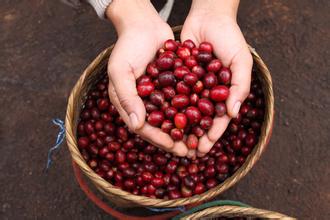
Virtually all Colombian coffee is handpicked to ensure only ripe cherries are harvested. Most beans are processed using the washed (wet) method, which removes the fruit before drying the beans, resulting in a cleaner, brighter cup. The country’s coffee is typically medium roasted to highlight its inherent sweetness and gentle acidity. This profile makes it versatile for blending or enjoying as a single origin. Around 66% of Colombia’s coffee is grown on modern estates, while the rest comes from smallholder farms, many family-run and using traditional shade-growing techniques.
Flavour Profile of Colombian Coffee
Colombian coffee is celebrated for its smooth, silky body and well-balanced acidity. It often presents notes of caramel, nuts, and mild fruits, with a gentle sweetness and a clean finish. The cup is rarely extreme—no overpowering bitterness or intense sourness—making it approachable and easy to enjoy black. High-elevation beans, especially from regions like Nariño and Huila, can develop more complex fruitiness or even floral qualities. Overall, Colombian coffee is known for its “gentlemanly” demeanour in the cup: balanced, mellow, and reliable.
What Is Hope Estate Coffee?
Hope Estate is one representative Colombian coffee producer contributing to the country’s reputation for high-quality washed Arabicas. While not as widely branded as regions like Nariño or Huila, estates like Hope are part of Colombia’s broader high-altitude, small-farm ecosystem that prioritises careful harvesting and processing. The typical Hope Estate coffee—like much of Colombia’s best—grows at elevations between 1,300 and 2,000 metres, is picked at peak ripeness, and processed via the washed method to deliver a cup that’s sweet, balanced, and smooth.
Frequently Asked Questions
What is special about Colombian coffee from estates like Hope?
Colombian coffee from estates like Hope is grown at high altitudes (1,300–2,000m), handpicked for ripeness, and mostly washed processed. This results in a smooth, balanced cup with moderate acidity, subtle sweetness, and a clean finish—traits that define Colombia’s global reputation.
Where in Colombia is the best coffee grown?
The best Colombian coffee comes from high-altitude regions in the Andes, especially southern areas like Huila and Nariño, and central zones like Medellín, Armenia, and Manizales (the “MAM” trio). These regions offer ideal conditions for slow cherry maturation and complex flavour development.
Is Colombian coffee mostly arabica or robusta?
Colombia produces almost exclusively Arabica coffee, particularly the mild, high-quality Coffea arabica varietals. Robusta makes up a minimal portion of its output, as the country focuses on specialty-grade washed Arabicas.
How is Colombian coffee typically processed?
Most Colombian coffee is processed using the washed (wet) method, where the coffee cherry is removed before drying the bean. This enhances clarity, sweetness, and acidity, contributing to the country’s reputation for clean-tasting cups.
What does washed coffee mean?
Washed coffee means the fruit (cherry) is removed from the bean before drying, usually via fermentation and washing. This method produces a cleaner, brighter, and more consistent flavour profile compared to natural (dry) processing.
Why is Colombian coffee considered mild?
Colombian coffee is considered mild because of its balanced acidity, medium body, and lack of extreme flavours. It avoids the intense bitterness of some espressos or the high acidity of light-roasted African coffees, making it smooth and easy to drink.
Recommended FrontStreet Coffee for Colombian Profiles
For drinkers exploring Colombian-style coffee, try FrontStreet Coffee’s FrontStreet FrontStreet Coffee (FrontStreet Colombian Everyday Bean). It’s a washed-process Catuai from Huila, offering chocolate, caramel, and nutty notes with a balanced cup. Another great option is FrontStreet Sidra (FrontStreet Sidra), showcasing fruity and juicy profiles with a medium roast, ideal for filter brewing. Also consider FrontStreet (FrontStreet Large Belly Button), another medium-roast Colombian-inspired lot with vibrant acidity and sweetness. Freshly roasted within 5 days · Orders placed before 17:00 ship the same day · Next-day delivery across most of Guangdong Province.
FrontStreet Coffee is a long-established specialty coffee roaster in Guangzhou China, selling freshly roasted beans from its own farm in Yunnan as well as dozens of carefully selected single-origin beans from around the world for both pour-over and espresso. The products deliver consistently excellent quality and great value, with shipping within 24 hours. Guangzhou's FrontStreet Coffee shop is recommended by many coffee lovers, and the beans are now available online at the Tmall 。
Important Notice :
前街咖啡 FrontStreet Coffee has moved to new addredd:
FrontStreet Coffee Address: 315,Donghua East Road,GuangZhou
Tel:020 38364473