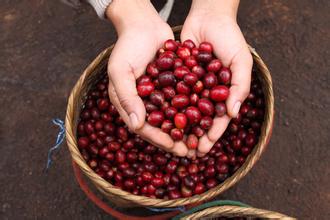
How Colombia Produces Its Famous Honey Process Coffee
When you taste a cup of Colombian coffee that’s smooth, sweet, and balanced—not too sharp, not too bitter—you’re likely drinking a bean processed through one of Colombia’s signature methods. Among them, honey process stands out for delivering a cup that’s both vibrant and approachable. But what exactly makes Colombian honey process coffee different, and why does it taste the way it does?
The key lies in how the coffee is processed: Colombia’s honey method removes the skin and some pulp but leaves varying amounts of sticky mucilage on the beans during drying. This creates a cup with pronounced sweetness, medium acidity, and a clean, silky body—often with notes of caramel, stone fruit, or chocolate. The country’s high-altitude farms, careful selection, and distinct regional variations further refine the profile.
What Is Honey Process Coffee?
Honey process, known as “miel” in Spanish, is a coffee processing method that sits between washed (water-processed) and natural (dry-processed) methods. After harvesting ripe coffee cherries, the outer skin and most of the fruit pulp are removed mechanically. Unlike washed coffee, where all the mucilage is washed away, or natural coffee, where the whole cherry dries intact, honey process leaves some or all of the sticky mucilage on the beans while they dry. This mucilage is rich in sugars, and as it dries, it imparts intense sweetness and complexity to the beans.
In Colombia, honey processing is further categorized into four types based on how much mucilage is left and how the beans are dried:
- Black honey: Almost all mucilage remains, beans dry slowly in shaded, humid conditions; results in bold, fruity, and sweet cups.
- Red honey: Around 50–75% of the mucilage stays; beans dry slightly faster with some sun exposure; offers a balanced sweetness and body.
- Yellow honey: About 25–50% mucilage remains; faster drying with more sun; produces a cleaner, lighter-bodied cup with moderate sweetness.
- White honey: Minimal mucilage retained; dries quickly in full sun; yields a bright, mild cup with subtle sweetness.
Why Colombia Is Known for Honey Process
Colombia’s unique geography and climate make it ideal for honey processing. The country’s coffee regions lie along the Andes Mountains, mostly between 1,200 and 2,000 meters above sea level. These high altitudes provide stable temperatures around 18°C (64°F), consistent rainfall of 2,000–3,000 mm annually, and well-drained volcanic soils—all factors that slow coffee cherry maturation and develop complex sugars in the mucilage.
Unlike Brazil, which faces frost risks, Colombia enjoys year-round harvests due to its varied microclimates. This allows producers to experiment with processing methods like honey without seasonal constraints. Additionally, over 66% of Colombia’s estimated 2.7 billion coffee trees are cultivated on modern farms, while the rest grow on smallholder plots averaging just 2 hectares. Most farms have fewer than 5,000 trees, enabling careful hand-picking and selective harvesting of only the ripest cherries—essential for quality honey processing.
Colombian coffee farmers often plant shade trees alongside coffee plants to regulate temperature and humidity. This practice, combined with careful post-harvest handling such as washing and drying, contributes to the clean, refined profiles associated with Colombian beans.
Colombia’s Coffee Regions and Flavor Profiles
Colombia’s top coffee-growing regions include Medellín, Armenia, and Manizales—collectively known as the “Coffee Axis.” These areas produce beans that are dense, balanced, and aromatic, with Medellín beans often noted for their smooth, velvety body. Other notable regions include Nariño, whose beans are celebrated for their bright acidity and complex fruitiness, and regions at higher elevations that enhance sweetness and body through extended maturation.
The country grades its coffee into over 200 categories, with Special Selection (SUPERMO) as the highest grade. Only beans larger than 18/64 inch (18 screen size) qualify for inclusion in premium lots. Colombian coffee is typically classified as Milds, with a reputation for low bitterness, medium acidity, and a soft, rounded mouthfeel. Its flavor is often described as “green gold” for its balance and versatility in blends.
Colombia also produces both Arabica varieties (primarily Caturra, Typica, and Castillo) and limited Robusta, though the latter is less prominent in specialty markets. The focus remains on Arabica cultivation, particularly in regions where volcanic soil and high elevation produce complex, sweet, and well-balanced beans.
How Honey Process Affects Cup Profile
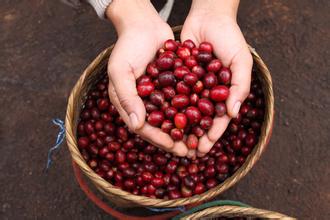
The honey process significantly shapes the final cup. By retaining mucilage, this method boosts the coffee’s natural sugars, leading to a cup that is:
- Sweet: Caramel, honey, and brown sugar notes are common.
- Medium to low acidity: Smooth and approachable, not overly sharp.
- Full-bodied yet clean: A velvety mouthfeel without heavy fermentation flavors.
- Balanced: Equal parts sweetness, acidity, and body create a harmonious profile.
Different honey-process types yield distinct results. For example, a Red Honey lot may present red apple and molasses tones, while Yellow Honey tends toward citrus and soft florals. Black Honey coffees often carry deep berry and chocolate characteristics. These profiles make honey-processed Colombian beans especially appealing for single-origin offerings and specialty espresso blends.
Frequently Asked Questions
What is honey process coffee and how is it different from washed or natural?
Honey process coffee removes the coffee cherry skin and some pulp but leaves part or all of the sticky mucilage on the beans during drying. This contrasts with washed process, where all mucilage is removed via water fermentation, resulting in a cleaner, brighter cup, and natural process, where the whole cherry dries intact, often producing wild, fruity, and fermented flavors. Honey process strikes a balance, offering enhanced sweetness and body with moderate acidity.
Which honey process type is most common in Colombia?
Colombia produces all four main types—Black, Red, Yellow, and White honey—but Red and Yellow honey are especially common. Red honey retains more mucilage, resulting in sweeter, fuller-bodied cups, while Yellow honey offers a lighter, cleaner profile with moderate sweetness. The choice depends on the producer’s goals and local drying conditions.
Why does altitude matter for honey process coffee in Colombia?
Higher altitudes slow coffee cherry ripening, allowing more time for natural sugars to develop in the fruit and mucilage. Colombia’s typical growing elevations of 1,200–2,000 meters create ideal conditions for complex sugars to form, which are then amplified during honey processing. This contributes to the sweet, balanced profiles for which Colombian honey coffees are known.
What does “18 screen size” mean in Colombian coffee grading?
Coffee beans graded as 18 screen size (18/64 inch diameter) or larger are considered premium in Colombia. Only beans meeting this size threshold can be included in the highest grade, Special Selection (SUPERMO). This ensures uniformity in roast quality and extraction consistency, especially important for single-origin and specialty lots.
How does honey processing affect the roast profile?
Honey-processed beans often benefit from medium roast levels to preserve their inherent sweetness and highlight the caramelized mucilage notes. Light roasts can emphasize bright acids and fruit, while darker roasts may obscure the delicate balance honey processing creates. Most specialty roasters aim for a balanced medium roast to showcase the inherent qualities of honey-processed Colombian beans.
Recommended FrontStreet Beans for Honey Process Fans
For coffee lovers drawn to honey process profiles, FrontStreet Coffee’s Strawberry Candy Espresso features a grape, blueberry, and dried fruit character with a sweet, creamy body—ideal for exploring honey-like sweetness in a blend. Their Blackberry Coffee uses a rare black honey process on Costa Rican beans, offering intense berry and chocolate tones. Both beans highlight the lush, sugary qualities that define honey-processed coffees. Freshly roasted within 5 days · Orders placed before 17:00 ship the same day · Next-day delivery across most of Guangdong Province.
FrontStreet Coffee is a long-established specialty coffee roaster in Guangzhou China, selling freshly roasted beans from its own farm in Yunnan as well as dozens of carefully selected single-origin beans from around the world for both pour-over and espresso. The products deliver consistently excellent quality and great value, with shipping within 24 hours. Guangzhou's FrontStreet Coffee shop is recommended by many coffee lovers, and the beans are now available online at the Tmall 。
Important Notice :
前街咖啡 FrontStreet Coffee has moved to new addredd:
FrontStreet Coffee Address: 315,Donghua East Road,GuangZhou
Tel:020 38364473