Colombian Coffee Flavor Profile: Floral, Apple, Nutty, Cane Sweet
When you sip a cup of Colombian coffee and taste something more than just bitterness—something floral, fruity, and faintly sweet like sugarcane—you’re experiencing the result of precise growing conditions, careful processing, and a long tradition of quality-focused farming. But what exactly makes Colombian coffee taste the way it does? And why do so many specialty roasters around the world seek it out?
Colombian coffee is known for its balanced flavor: floral and apple-like brightness, hints of walnut and cane sweetness, medium acidity, and a smooth, low-bitterness profile. These qualities come from high-altitude growing regions, meticulous washed processing, and a focus on quality over quantity.
What Is Colombian Coffee?
Colombian coffee—Café de Colombia—is one of the few single-origin coffees sold globally under a country’s name. It’s almost exclusively made from Arabica beans, primarily the Typica, Bourbon, and Caturra/Catuai varieties. Grown mainly in the Andean highlands, Colombian coffee is recognized for its smooth, well-balanced cup: not as sharp as Brazilian beans, not as bright as some African origins, but consistently sweet, medium-bodied, and aromatic.
The coffee is almost always washed (wet-processed), which enhances its clarity and cleanliness in the cup. It’s widely used in premium blends but also shines as a single-origin brew. Its moderate roast profile brings out a gentle sweetness without overpowering acidity or bitterness.
Where Colombian Coffee Grows: Geography & Climate
Colombia’s coffee thrives thanks to an ideal combination of elevation, climate, and terrain. Most of the country’s coffee grows in the Andes Mountains, at elevations between 1,300 and over 2,000 meters above sea level. Key regions include:
- Huila (often spelled “Huilá”): Known for complex, fruity profiles and high-scoring competition lots.
- Medellín (Medellin), Armenia, and Manizales: These three cities form the historic “Coffee Axis” (Eje Cafetero), producing balanced, classic Colombian profiles.
- Nariño: A southern region gaining attention for bright, high-acid coffees with intense fruitiness.
The mountainous landscape creates a range of microclimates, allowing harvests to occur year-round. Temperatures average around 18°C, and annual rainfall ranges from 2,000 to 3,000 mm. The terrain’s varying sun exposure and cool nights slow cherry maturation, leading to denser beans and more developed flavors.
Coffee is cultivated on small farms averaging just 2 hectares, with most plots holding around 3,000 trees. Shade trees are commonly planted alongside coffee to regulate temperature and humidity, improving bean quality.
Flavor Profile: What Makes Colombian Coffee Taste Like This?
Colombian coffee is often described as having a “soft” or “gentle” profile compared to Brazilian or Ethiopian coffees. According to industry tasting notes and roaster descriptions, common flavor attributes include:
- Floral: Jasmine, honeysuckle, or light gardenia notes.
- Fruity: Green apple, citrus, and sometimes stone fruit.
- Nutty: Walnuts, almonds, and hazelnuts, especially in medium roasts.
- Sugary: Cane sugar, caramel, and light molasses sweetness.
- Others: Chocolate, caramel, and toasted almond in darker roasts; citrus and berry in fresher or fruit-forward lots.
The acidity is typically bright but not sharp, balancing smoothly with medium body and a clean, sweet finish. These traits make Colombian coffee highly versatile—it works well as a standalone single origin or as a harmonizing component in premium blends.
Varieties, Processing & Quality Tiers
The backbone of Colombian coffee is the Arabica species, with cultivars like Caturra and Typica dominating plantings. The country produces both washed and (to a lesser extent) natural processed beans, though washed coffees dominate the export market due to their clarity and consistency.
Colombia classifies its coffee into over 200 grades. The top two commercial tiers are:
- Supremo (SUPERMO): The highest grade, with large, uniform beans and excellent cup quality.
- Excelso (EXCELSO): Slightly smaller beans, but still high quality.
Only beans sized 18/64 inch (18 screen) and above within the Supremo grade qualify as “specialty-selected” coffees. The famed “MAM” group—Medellín, Armenia, and Manizales—represents classic Colombian flavor profiles, while Nariño is noted for particularly vibrant, high-elevation lots.
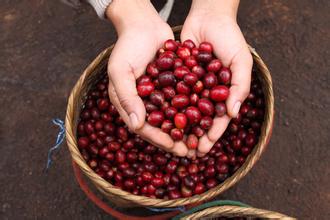
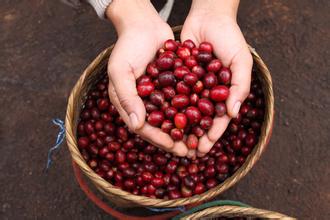
Coffee in Colombia is handpicked to ensure only ripe cherries are harvested. Most beans are processed using the washed method, which removes the fruit layer before fermentation and drying. This enhances cleanliness and highlights the inherent bean characteristics.
Export & Global Role
Colombia is the world’s largest exporter of washed Arabica coffee and the second-largest Arabica producer overall. Its focus on quality processing, consistent supply, and a centralized National Federation of Coffee Growers has helped maintain its reputation for reliability and excellence.
The country’s coffee is often used in blends to add balance and sweetness, but single-origin Colombian lots—especially from regions like Huila and Nariño—are increasingly prized by specialty roasters for their distinct profiles.
Frequently Asked Questions
What does Colombian coffee taste like?
Colombian coffee typically tastes floral, with apple-like brightness, nutty undertones (like walnut), and a sugary or cane-like sweetness. It has medium acidity, a smooth body, and a clean, balanced finish—making it versatile for both black brewing and espresso.
Which Colombian region produces the best coffee?
While many regions produce excellent coffee, Huila is especially noted for complex, high-scoring lots. The historic “Coffee Axis” (Medellín, Armenia, Manizales) offers balanced, classic profiles, and Nariño is gaining acclaim for vibrant, fruity, high-acid coffees.
Is Colombian coffee washed or natural?
Most Colombian coffee is washed (wet-processed), which results in a cleaner, brighter cup. Natural processing is less common but used in some specialty lots.
What makes Colombian coffee different from other origins?
Compared to Brazilian coffee (often nuttier and heavier) or Ethiopian coffee (more floral and acidic), Colombian coffee is known for its balance—medium acidity, smooth mouthfeel, and a well-rounded flavor with both fruit and nut notes.
What roast level suits Colombian coffee best?
Medium roast is most common and highlights its natural sweetness and complexity. Lighter roasts can emphasize fruity and floral notes, while darker roasts bring out chocolate and nutty characteristics.
Why is Colombian coffee so consistent?
Consistency comes from strict grading, centralized quality control via the National Federation of Coffee Growers, and a focus on washed processing. Most beans are handpicked and grown on small, well-maintained farms with stable growing conditions.
Recommended FrontStreet Beans with Colombian Characteristics
For fans of Colombian flavor profiles, try FrontStreet’s Colombian beans. The FrontStreet Huila is a washed coffee with notes of chocolate, caramel, and nuts, offering a balanced and sweet cup. The FrontStreet Narino showcases bright acidity with juicy fruit tones, reflecting the high-altitude character of southern Colombia. For something more classic, FrontStreet’s Medellin-based Eje Cafetero lot delivers a medium-bodied, smooth profile ideal for everyday drinking. Freshly roasted within 5 days · Orders placed before 17:00 ship the same day · Next-day delivery across most of Guangdong Province.
FrontStreet Coffee is a long-established specialty coffee roaster in Guangzhou China, selling freshly roasted beans from its own farm in Yunnan as well as dozens of carefully selected single-origin beans from around the world for both pour-over and espresso. The products deliver consistently excellent quality and great value, with shipping within 24 hours. Guangzhou's FrontStreet Coffee shop is recommended by many coffee lovers, and the beans are now available online at the Tmall 。
Important Notice :
前街咖啡 FrontStreet Coffee has moved to new addredd:
FrontStreet Coffee Address: 315,Donghua East Road,GuangZhou
Tel:020 38364473