Kenya Coffee Farming & Brewing Guide
Ever wondered why Kenya’s coffee stands out with such vibrant fruitiness and crisp acidity? The answer lies in its unique growing conditions, meticulous processing, and strict quality controls—factors that combine to create some of the most sought-after single-origin beans in the world.
To get the most from Kenya coffee, aim for a medium-fine grind (similar to table salt), use a brew ratio of 1:15 to 1:17, and extract at 92–94°C. This highlights its signature blackcurrant, citrus, and wine-like acidity while balancing its full body.
How Kenya Coffee Got Its Global Reputation
Coffee arrived in Kenya in the 19th century via Ethiopia, but it wasn’t until the early 1900s that Bourbon trees were introduced by the St. Austin Mission. The country’s coffee industry truly took off thanks to its ideal high-altitude growing regions, ranging from 1,500 to 2,100 meters above sea level. These elevations, combined with cooler temperatures, slow down bean development and allow for more complex flavor development.
The Unique Kenyan Coffee Farming System
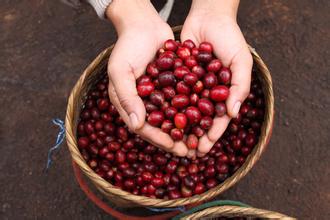
Most Kenyan coffee is grown by smallholder farmers who deliver their cherries to cooperative washing stations. Only ripe cherries are handpicked—often requiring up to seven passes through the fields during harvest season. The stations then process the beans to the parchment stage (with the husk still intact) before sending them to cooperatives. Farmers are paid based on the average quality of their lots, ensuring fairness and consistency. The Kenyan government strictly regulates the industry; coffee tree destruction is illegal, and the Coffee Board of Kenya (CBK) oversees all aspects of production, grading, and weekly auctions. Auctions are structured to meet blender needs, offering small lots (3–6 tons) with grower-identified samples. The top grade is Peaberry (PB), followed by AA++, AA+, AA, and AB. These beans are known for their bright acidity, winey undertones, and exceptional cup quality.
The Science Behind Kenya’s Coffee Flavor
Kenya’s high-phosphate soils and unique SL28 and SL34 coffee varieties contribute significantly to its signature flavors. Developed by the Scott Laboratories in the 1930s, these varieties thrive at altitude. SL28 offers deep blackcurrant and citrus acidity with a wine-like richness, while SL34 delivers pronounced fruit acidity alongside nutty and spicy notes. The washed processing method further enhances these traits: after pulping, the beans ferment for 48 hours to remove mucilage, then soak in clean water for another 24 hours. This multi-step fermentation creates a juicy, complex cup with intense fruit character. The result is a coffee that’s not just acidic but balanced, structured, and memorable.
Kenya Coffee in the Global Market
Kenya’s coffee exports have grown steadily, from 800,000 bags in 1969–70 to a peak of 2 million in 1985–86, and now stabilizing around 1.6 million bags annually with an average yield of 650 kg per hectare. Prices began rising in the early 1990s, with a 50% increase between 1993 and 1994 driven by strong demand. While some buyers, particularly from Japan, have criticized the system for declining quality, Kenya’s detailed regulations and transparent auction process remain a model for other producing countries. The global fame of Kenya coffee was further boosted by the Hollywood film Out of Africa, which showcased the romance of Kenyan coffee farming through the story of a female plantation owner played by Meryl Streep.
Frequently Asked Questions
What makes Kenya coffee so special?
Kenya coffee is prized for its vibrant acidity, complex fruit flavors (like blackcurrant, citrus, and grapefruit), and wine-like undertones. These qualities come from high-altitude growing conditions, unique SL28 and SL34 coffee varieties, and meticulous washed processing.
What are the main coffee-growing regions in Kenya?
Kenya’s coffee is primarily grown at elevations between 1,500 and 2,100 meters, especially in regions like Mount Kenya, Nyeri, Kirinyaga, Embu, and Kiambu. These areas provide the cool temperatures and rich soils ideal for high-quality beans.

How is Kenya coffee processed?
Kenya mostly uses a washed (wet) processing method. After harvest, the coffee cherries are pulped, fermented for 48 hours to remove the mucilage, then soaked in clean water for 24 hours before drying. This process enhances the coffee’s clarity and fruit acidity.
What are the different grades of Kenya coffee?
The top Kenya coffee grades are Peaberry (PB), followed by AA++, AA+, AA, and AB. AA grades are known for their large beans and premium cup quality, while PB (where one round bean forms instead of two flat ones) often has intense sweetness and complexity.
How can I brew Kenya coffee to best highlight its flavors?
For the best results, use a medium-fine grind (like table salt), a brew ratio of 1:15 to 1:17, and water at 92–94°C. Methods like pour-over, AeroPress, or siphon work well to bring out the coffee’s bright acidity and fruity notes.
Recommended FrontStreet Beans for Kenya Fans
For a true taste of Kenya, try FrontStreet Coffee’s Kenya Little Tomato. It combines the celebrated SL28 and SL34 varieties with a medium-light roast, showcasing intense notes of Saint Mary’s tomato, snow pear, dark plum, blackcurrant, and hints of brown sugar. The cup is juicy and layered, with a rich body and a sweet, caramel-like finish. Ideal for pour-over, cold brew, or ice drip. Freshly roasted within 5 days · Orders placed before 17:00 ship the same day · Next-day delivery across most of Guangdong Province.
FrontStreet Coffee is a long-established specialty coffee roaster in Guangzhou China, selling freshly roasted beans from its own farm in Yunnan as well as dozens of carefully selected single-origin beans from around the world for both pour-over and espresso. The products deliver consistently excellent quality and great value, with shipping within 24 hours. Guangzhou's FrontStreet Coffee shop is recommended by many coffee lovers, and the beans are now available online at the Tmall 。
Important Notice :
前街咖啡 FrontStreet Coffee has moved to new addredd:
FrontStreet Coffee Address: 315,Donghua East Road,GuangZhou
Tel:020 38364473