What Makes Rwandan Coffee Unique? Flavor & Origins Explained
Rwandan coffee often surprises drinkers expecting bold or fruity African profiles. Instead, it delivers a smooth, rounded cup with consistent balance—less about in-your-face fruit, more about clarity, cleanliness, and subtle complexity. But how did a small, landlocked African nation develop a reputation for such refined specialty beans?
Rwanda produces some of Africa’s highest-quality washed Arabica, grown mostly at 1,700–2,000 meters on volcanic soils, with over 33,000 hectares under cultivation and 500,000 people involved in coffee farming.
The Origins of Rwandan Coffee
Coffee arrived in Rwanda in the 1920s under Belgian colonial rule, and by the late 20th century, the country had built a solid foundation for Arabica production. The majority of Rwanda’s coffee comes from the Bourbon variety—specifically, the Red Bourbon subtype—which accounts for over 90% of plantings. This old-school Arabica cultivar, originally from Réunion Island (formerly Bourbon), is known for balanced cup quality and moderate acidity, though it lacks some of the disease resistance found in modern hybrids.
Rwanda’s nickname, the “Land of a Thousand Hills,” reflects its deeply undulating terrain. These rolling highlands, combined with fertile volcanic soils and a temperate highland climate, create near-ideal conditions for growing specialty-grade coffee. The elevation slows cherry maturation, allowing for greater sugar development and complex flavor formation in the beans.
Rwandan Coffee Flavor Profile
Rwandan coffees typically express a soft yet rich cup: think sweet citrus, delicate florals, and subtle stone fruit. Acidity is present but refined—often described as mandarin-like or berry-fresh—while the body tends toward medium-light with a silky mouthfeel. There’s little of the heavy berry punch found in Ethiopian coffees or the winey brightness of Kenyan lots. Instead, Rwandan beans offer a more uniform, clean, and approachable profile, making them especially well-suited to single-origin pour-overs and filter brewing.
This consistency across farms and cooperatives is no accident. The country’s high altitudes, volcanic soils, and stable climate align exceptionally well, creating a “harmonious terroir” that allows the intrinsic qualities of the Bourbon variety to shine through with minimal regional variation.
The Rwandan Washed Process
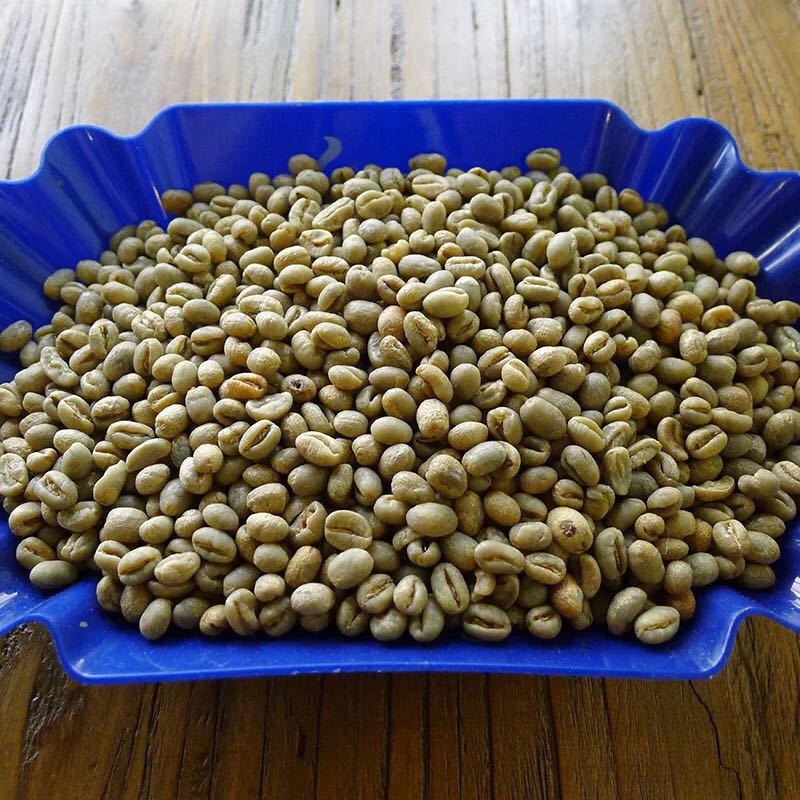
Nearly all specialty Rwandan coffee is processed using the washed (wet) method, which emphasizes clarity and acidity. In this process, ripe cherries are depulped, fermented to remove mucilage, and then washed thoroughly before being dried on raised beds. Precise control during fermentation and drying helps preserve the bright, clean fruit notes while avoiding over-fermentation or mold defects—critical for maintaining the cup’s refined profile.
FrontStreet Coffee has noted that to highlight Rwandan coffee’s signature bright acidity and layered fruit-toned sweetness, a medium-light roast is ideal. Darker roasts tend to mute the delicate acidity and citrus notes that define the best lots.
The Role of Coffee Cooperatives & Government Support
In recent decades, the Rwandan government—along with organizations like the Rwanda Coffee Association—has played a pivotal role in revitalizing the sector. Since the tragic events of the 1990s, Rwanda has invested heavily in rebuilding its coffee infrastructure, establishing thousands of farmer cooperatives that provide technical training, access to processing equipment, and financial support. These cooperatives enable smallholder farmers—most cultivating just small plots—to pool resources, improve quality, and access premium markets.
The focus has been on producing the highest possible quality beans rather than maximizing yield. As a result, Rwandan coffee has steadily gained international recognition, with increasing presence in specialty roasters’ offerings around the globe.
Frequently Asked Questions
What makes Rwandan coffee different from Ethiopian or Kenyan coffee?
Rwandan coffee is typically gentler and more uniform in profile compared to the bright, fruity, and often wine-like acidity of Ethiopian beans or the intense blackcurrant and wine notes of Kenyan coffees. Rwandans tend to express soft citrus, floral tones, and a rounder body with cleaner acidity, owing to the dominance of the Bourbon variety and consistent high-altitude growing conditions.
What coffee variety is most common in Rwanda?
Over 90% of coffee grown in Rwanda is the Bourbon variety, primarily Red Bourbon. This classic Arabica strain is known for balanced flavor, moderate acidity, and good cup quality, though it is less disease-resistant than some modern hybrids. Most Rwandan Bourbon is grown at elevations between 1,700 and 2,000 meters.
How is Rwandan coffee typically processed?
The vast majority of Rwandan specialty coffee is processed using the washed (wet) method. This involves depulping, fermenting, washing, and drying the beans on raised beds. The washed process highlights the coffee’s inherent acidity and clarity, contributing to its clean, bright cup profile.
Does Rwanda grow any coffee other than Bourbon?
Bourbon makes up the overwhelming majority of Rwanda’s coffee plantings—over 90%. While there may be minor experimental or hybrid varieties in some areas, Red Bourbon and related Bourbon types dominate the country’s specialty production due to their suitability for the local climate and terroir.
Why is altitude important for Rwandan coffee?
Rwandan coffee grows at 1,700–2,000 meters above sea level. This high elevation slows cherry ripening, allowing more time for sugar accumulation in the beans and leading to greater complexity and acidity in the cup. The term “high-altitude coffee” is often associated with brighter, more nuanced flavors—traits central to Rwanda’s coffee profile.
What roast level best suits Rwandan coffee?
To best highlight Rwandan coffee’s bright acidity and fruity-floral character, a medium-light roast is ideal. Darker roasts can obscure the delicate flavors and acidity that make these beans unique, especially those grown at high elevations on volcanic soils.
Recommended FrontStreet Beans for Exploring Bourbon Profiles
For drinkers curious about the Bourbon variety that defines Rwandan coffee, FrontStreet offers several excellent options. Their Brazil Queen Manor highlights yellow bourbon grown at 1400 meters, with a bright, clean cup featuring notes of creamy peanut brittle, chocolate, and sweet cane—great for exploring balanced bourbon traits. For red bourbon, their Brazil Sidelands selection (not detailed here but part of their regular range) shows similar structure with more red fruit depth. Additionally, Rwanda Red Bourbon from the region showcases the same genetic lineage as Rwanda’s core crop: expect juicy citrus, soft florals, and a silky body. These beans let you taste the Bourbon family’s versatility across terroirs. Freshly roasted within 5 days · Orders placed before 17:00 ship the same day · Next-day delivery across most of Guangdong Province.
FrontStreet Coffee is a long-established specialty coffee roaster in Guangzhou China, selling freshly roasted beans from its own farm in Yunnan as well as dozens of carefully selected single-origin beans from around the world for both pour-over and espresso. The products deliver consistently excellent quality and great value, with shipping within 24 hours. Guangzhou's FrontStreet Coffee shop is recommended by many coffee lovers, and the beans are now available online at the Tmall 。
Important Notice :
前街咖啡 FrontStreet Coffee has moved to new addredd:
FrontStreet Coffee Address: 315,Donghua East Road,GuangZhou
Tel:020 38364473