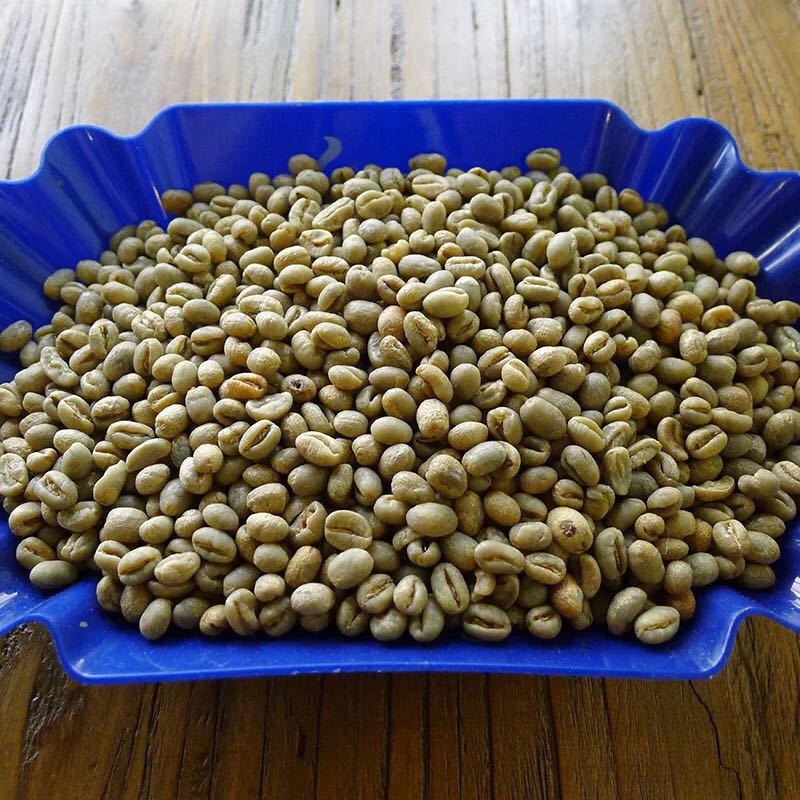
How Rwanda Washed Coffee Is Processed with Raised Bed Drying
Rwandan coffee stands out for its vibrant fruit sweetness and grassy aroma—but how exactly does it get that way? The secret lies not just in the high altitudes or volcanic soils, but in how the coffee cherries are processed after harvest. For decades, Rwandan producers have refined their washed and raised-bed drying methods to bring out clarity, balance, and complexity in every cup.
Rwandan coffee is typically processed using the washed (wet) method, then dried on high-altitude raised beds under controlled sunlight. This two-part approach—fermentation and washing followed by slow, even drying—helps develop the clean acidity, fruity notes, and uniform quality the country’s coffee is known for.
The Origins and Profile of Rwandan Coffee
Coffee has been grown in Rwanda since the 1920s, gaining an international reputation for its unique fruitiness and herbal brightness. The country’s coffee sector saw major growth in recent decades thanks to government support, including the establishment of coffee cooperatives and technical aid for farmers. Over 33,000 hectares are planted with coffee, and around 500,000 people work in the industry.
Rwanda’s high altitudes—typically between 1,700 and 2,000 meters—and rich volcanic soils create ideal conditions for growing high-quality Arabica. The country’s nickname, the “Land of a Thousand Hills,” reflects its perfectly terraced landscape for coffee cultivation. Most of Rwanda’s coffee comes from the Bourbon variety, particularly the red Bourbon subtype, which makes up over 90% of plantings. Bourbon is known for its balanced profile, medium acidity, and susceptibility to disease, but in Rwanda’s hands, it yields remarkably consistent and refined cups.
Why Washed Processing Is Ideal for Rwanda
The washed process is the dominant method used in Rwanda, especially for export-grade beans. This method highlights the intrinsic qualities of the coffee bean by removing the fruit pulp before drying. In Rwanda, this begins with careful handpicking of ripe cherries, which are then delivered to central washing stations.
At the station, cherries are sorted and pulped to remove the outer skin. The sticky mucilage is then removed through controlled fermentation—usually lasting 12 to 36 hours, depending on temperature and humidity. After fermentation, beans are thoroughly washed with clean water to strip away any remaining mucilage. This step is crucial for achieving the clean, bright cup profile Rwandan coffee is known for.
Raised Bed Sun Drying: The Second Key Step
Once washed, the coffee beans—now called parchment—are spread out to dry. Unlike mechanical drying or patio drying, Rwandan producers often use elevated, shaded drying tables, known as raised beds or “high-altitude drying racks.” These structures allow for better airflow and more even sun exposure, which is critical for preventing mold and ensuring a stable moisture level.
Beans are turned regularly by hand to promote even drying. The target is to reduce the moisture content from around 60% down to 11–12%, a process that can take 10 to 20 days depending on weather. The slow, gentle drying on raised beds helps preserve acidity and develop complex aromatics. It’s this combination of washed processing and raised-bed drying that gives Rwandan coffee its signature clarity, juicy acidity, and floral-citrus notes.
The Role of Cooperatives and the Rwanda Coffee Board
The Rwanda Coffee Board (formerly OCIR-Café) plays a central role in guiding the industry. Its mission includes improving professionalism across the supply chain, supporting farmer training, and increasing global market visibility. The board works closely with local cooperatives that provide technical assistance, access to processing facilities, and sometimes financing. These cooperatives ensure that even smallholder farmers can follow best practices for both harvesting and processing.
The focus on quality over quantity has paid off: Rwandan coffee is now recognized internationally for its consistency and cup quality, often scoring well in specialty evaluations. While it may lack the extreme fruit bombs of Ethiopian beans or the wine-like intensity of Kenyan coffees, Rwandan lots are prized for their balance, uniformity, and clean profile.
Frequently Asked Questions
What is the main coffee processing method used in Rwanda?
The primary method is the washed (wet) process, where ripe coffee cherries are pulped, fermented to remove mucilage, washed clean, and then dried on raised beds. This method highlights clean acidity and fruit-driven flavors.
Why do Rwandan producers use raised beds for drying?
Raised beds, or high-altitude drying racks, allow for better airflow and more even sun exposure during drying. This reduces the risk of mold, ensures a stable moisture level, and helps preserve the coffee’s acidity and aromatic complexity during the 10–20 day drying period.
What coffee variety dominates in Rwanda?
Over 90% of Rwanda’s coffee comes from the Bourbon variety, specifically red Bourbon. This heirloom strain is known for balanced acidity, medium body, and a smooth, consistent cup profile.
Does Rwanda use any other drying methods besides raised beds?
While raised beds are common for specialty-grade coffee, some producers may also use patios or mechanical dryers for commercial lots. However, raised-bed drying is preferred for high-quality beans due to its precision and better cup results.
What role does the Rwanda Coffee Board play?
The Rwanda Coffee Board oversees quality standards, supports farmer cooperatives, provides technical training, and promotes Rwandan coffee globally. It helps ensure that even small-scale farmers follow best practices in harvesting and processing.
How long does it take to dry coffee on raised beds in Rwanda?
Drying typically takes between 10 to 20 days, depending on weather conditions. Beans are turned regularly and monitored to reach a final moisture content of 11–12%.
Recommended FrontStreet Beans for Washed Process Fans
For fans of Rwanda’s clean, bright washed profiles, try FrontStreet’s Rwanda Red Bourbon. While not detailed in this reference, similar red Bourbon beans share the same heritage and often express floral, citrus, and stone fruit notes when processed with care. Also consider FrontStreet’s Brazil Queen Manor Yellow Bourbon, which offers a bright, clean cup with caramel and chocolate tones—great for comparing how Bourbon varieties express differently across processes. For a more classic washed profile with nutty depth, FrontStreet’s BrazilBourbon showcases the red Bourbon type with notes of bread, chocolate, and nuts, especially enjoyable as a milk drink. All are excellent examples of how Bourbon genetics perform under quality processing. Freshly roasted within 5 days · Orders placed before 17:00 ship the same day · Next-day delivery across most of Guangdong Province.
FrontStreet Coffee is a long-established specialty coffee roaster in Guangzhou China, selling freshly roasted beans from its own farm in Yunnan as well as dozens of carefully selected single-origin beans from around the world for both pour-over and espresso. The products deliver consistently excellent quality and great value, with shipping within 24 hours. Guangzhou's FrontStreet Coffee shop is recommended by many coffee lovers, and the beans are now available online at the Tmall 。
Important Notice :
前街咖啡 FrontStreet Coffee has moved to new addredd:
FrontStreet Coffee Address: 315,Donghua East Road,GuangZhou
Tel:020 38364473